Рубрика: Middle East

  • بزشكيان يؤكد التزامه بالمنصب وسط ادعاءات رجل دين حول تهديدات الاستقالة

    بزشكيان يؤكد التزامه بالمنصب وسط ادعاءات رجل دين حول تهديدات الاستقالة

    ذكرت «عرب تايمز» أن الرئيس مسعود بزشكيان أعلن أنه ينسجم تماماً مع القوات المسلحة الإيرانية وليس في نيته التنحي عن المنصب. وقال بزشكيان في مقتطف من مقابلة تلفزيونية وفقاً للصحيفة: «نحن منسجمون تماماً مع القوات العسكرية. لن أستقيل وسأتمسك بموقفي». وأضاف أن أي قرار بالتخلي عن منصبه سيتم الإعلان عنه رسمياً. وجاءت هذه التصريحات بعد سلسلة من التقارير غير المؤكدة حول خلافات داخلية انتشرت منذ وفاة المرشد الأعلى آية الله علي خامنئي في غارة إسرائيلية بتاريخ 28 فبراير 2026، وهو الأمر الذي وثقته «سي إن إن» في تغطيتها لديناميات السلطة التي أعقبت ذلك.

    وبحسب «عرب تايمز»، زعم رجل الدين الكبير محمد باقر خرازي — الذي ترتبط أخته بعائلة خامنئي بالزواج — أن بزشكيان هدد بالاستقالة 28 مرة قبل أن يتلقى تحذيراً من المرشد الأعلى مجتبى خامنئي. وأوضح خرازي أن مجتبى خامنئي أبلغ بأن أي محاولة استقالة مستقبلية من قبل الرئيس ستُقبل على الفور، الأمر الذي جعل بزشكيان يتراجع. وأشار تقييم مشروع التهديدات الحرجة الذي صدر في 3 أغسطس 2026 إلى أن خرازي لم يقدم أدلة تدعم ادعاءاته، ولا يبدو أنه يملك تأثيراً كبيراً على قرارات النظام، على الرغم من أن علاقاته العائلية سلطت الضوء على هذه التصريحات.

    ورفض حلفاء الرئيس رواية خرازي ووصفوها بأنها لا أساس لها من الصحة وتستهدف إثارة الانقسام، كما أفادت المقالة في «عرب تايمز». وقال مهدي طباطبائي إن هذه المزاعم «لا أساس لها» واتهم المناوئين بمحاولة خلق شقوق داخل القيادة. وأضاف علي أصغر شفيعيان أن خرازي ليس لديه صلة مباشرة بالمرشد الأعلى وهو معروف بإدلائه بتصريحات مثيرة للجدل. وتعكس هذه الردود نفياً رسمياً سابقاً لتقارير مماثلة ظهرت أولاً في أواخر مايو 2026.

    وكانت «إيران إنترناشونال» قد أفادت في 31 مايو 2026 بأن بزشكيان قدم خطاب استقالة يشير إلى استبعاده من القرارات الكبرى من قبل الحرس الثوري الإسلامي، وهو ما رفضته وسائل الإعلام الإيرانية الرسمية ووصفته بـ«نشر الشائعات» من قبل وسائل إعلام أجنبية. وذكرت «فرانس 24» في الأول من يونيو 2026 أن طهران وصفت التقارير بأنها «أمنيات تمنى بدلاً من الواقع»، فيما أوضحت «إيه بي سي» كيف ظهرت القصة وسط فترة مضطربة عقب وفاة خامنئي وحرب مع الولايات المتحدة وإسرائيل. ولاحظ مشروع التهديدات الحرجة أن أربعة مسؤولين إيرانيين كبار أخبروا «نيويورك تايمز» في بداية يوليو أن بزشكيان استخدم سابقاً تهديدات الاستقالة للتأثير على سياسة مذكرة تفاهم بين الولايات المتحدة وإيران.

    وزعم خرازي كذلك أن مجتبى خامنئي ينوي استبدال أمين المجلس الأعلى للأمن القومي محمد باقر ذو القدر بقائد الحرس الثوري السابق اللواء محسن رضائي، بحسب رواية «عرب تايمز» المستمدة من تصريحات رجل الدين. وأشارت تحليلات معهد دراسة الحرب في 3 أغسطس 2026 إلى أن رضائي عُيّن كأحد المستشارين العسكريين لمجتبى خامنئي في مارس، وهو أحد ثلاثة تعيينات سياسية فقط قام بها المرشد الجديد. وأضافت التقييم أن موقع «تابناك» المقرب من رضائي أعاد نشر هذا الادعاء. ولم تصدر السلطات الإيرانية أي تأكيد رسمي بشأن أي استبدال.

    وتولى بزشكيان الرئاسة في 2024 كشخصية تعتبر معتدلة نسبياً، إلا أنه واجه انتقادات من المتشددين بسبب ما يرونه تنازلات في السياسة الخارجية والأمنية، وهو نمط ازداد حدة بعد انتقال السلطة. وأفادت «سي إن إن» في 12 يونيو 2026 بأن دور الرئيس أصبح أقل مركزية مع تعزيز الحرس الثوري نفوذه في عصر ما بعد خامنئي. ويؤكد الرئيس أنه يتمتع بدعم واسع، بينما يستمر المنتقدون في التشكيك في مدى سلطته وسط الصراعات على السلطة المبلغ عنها. ويبرز تبادل التصريحات الأخير حالة عدم اليقين المستمرة داخل مؤسسات الحكم في إيران.
  • Pezeshkian Affirms Commitment to Office Amid Cleric Claims on Resignation Threats

    Pezeshkian Affirms Commitment to Office Amid Cleric Claims on Resignation Threats

    Arab Times reported that President Masoud Pezeshkian stated he remains fully coordinated with Iran’s military forces and has no intention of stepping down. «We are fully coordinated with the military forces. I will not resign, and I will stand firm,» Pezeshkian said in the interview preview according to the publication. He added that any decision to leave office would be announced formally. The remarks follow a series of unverified reports about internal rifts that have circulated since the death of Supreme Leader Ayatollah Ali Khamenei in an Israeli airstrike on February 28, 2026, a development CNN documented in its coverage of the ensuing power dynamics.[[1]](https://www.cnn.com/2026/06/12/middleeast/irans-accidental-president-masoud-pezeshkian-intl)

    According to Arab Times, senior cleric Mohammad-Bagher Kharrazi, whose sister is married to a brother of the Khamenei family, claimed that Pezeshkian had threatened to resign 28 times before receiving a warning from Supreme Leader Mojtaba Khamenei. Kharrazi stated that Mojtaba Khamenei indicated any further resignation attempt by the president would be accepted immediately, causing Pezeshkian to back down. The Critical Threats Project assessment released on August 3, 2026 noted that Kharrazi provided no evidence to support his assertions and does not appear to hold significant influence over regime decision-making, although his familial connections drew attention to the remarks.[[2]](https://www.criticalthreats.org/analysis/iran-update-special-report-august-3-2026)

    Allies of the president dismissed Kharrazi’s account as baseless and motivated by a desire to sow division, the Arab Times article indicated. Mehdi Tabatabaei described the claims as «baseless» and accused opponents of attempting to create rifts within the leadership. Ali-Asghar Shafieian added that Kharrazi has no direct connection with the supreme leader and is known for making controversial statements. These rebuttals echo earlier official denials of similar reports that first surfaced in late May 2026.

    Iran International reported on May 31, 2026 that Pezeshkian had submitted a resignation letter citing exclusion from major decisions by the Islamic Revolutionary Guard Corps, a claim that Iranian state media rejected as «rumour-mongering» by foreign outlets. France 24 noted on June 1, 2026 that Tehran called the reports «wishful thinking in place of reality» while the ABC detailed how the story emerged amid a turbulent period following Khamenei’s death and a war with the United States and Israel. The Critical Threats Project observed that four senior Iranian officials had told the New York Times in early July that Pezeshkian previously leveraged resignation threats to influence policy on a U.S.-Iran memorandum of understanding.[[3]](https://www.iranintl.com/en/202605312204)

    Kharrazi further alleged that Mojtaba Khamenei intends to replace Supreme National Security Council Secretary Mohammad-Bagher Zolghadr with former IRGC Commander Major General Mohsen Rezaei, according to the Arab Times account drawn from the cleric’s statements. The Institute for the Study of War analysis on August 3, 2026 indicated Rezaei was appointed as one of Mojtaba Khamenei’s military advisers in March, one of only three such political appointments the new supreme leader has made. Tabnak, an outlet affiliated with Rezaei, recirculated the claim, the assessment added. No official confirmation of any replacement has been issued by Iranian authorities.

    Pezeshkian, who assumed the presidency in 2024 as a relative moderate, has faced criticism from hardliners over perceived concessions in foreign and security policy, a pattern that intensified after the leadership transition. CNN reported on June 12, 2026 that the president’s role has become less central as the IRGC consolidates influence in the post-Khamenei era. The president maintains he enjoys broad support, while critics continue to question the extent of his authority amid the reported power struggles. The latest exchange of statements underscores ongoing uncertainties within Iran’s governing institutions.

  • UKMTO يحقق في إصابة سفينة شحن بمقذوف قبالة عمان قرب مضيق هرمز

    UKMTO يحقق في إصابة سفينة شحن بمقذوف قبالة عمان قرب مضيق هرمز

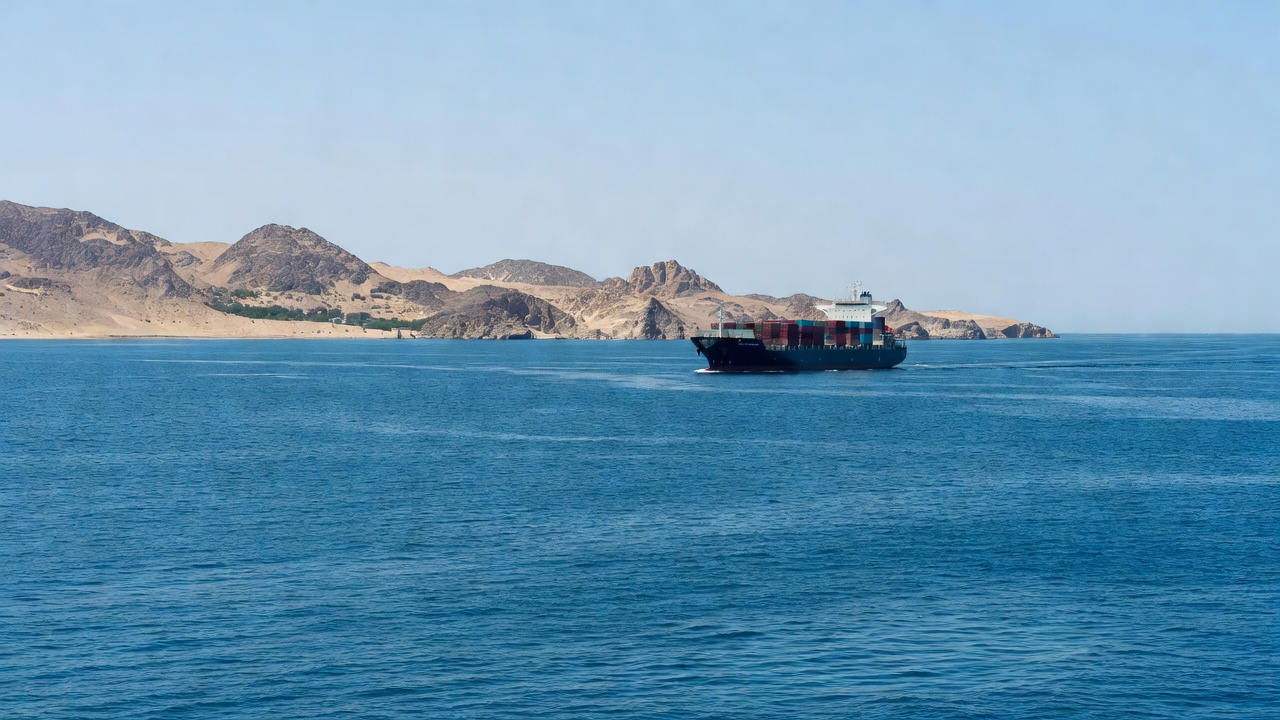
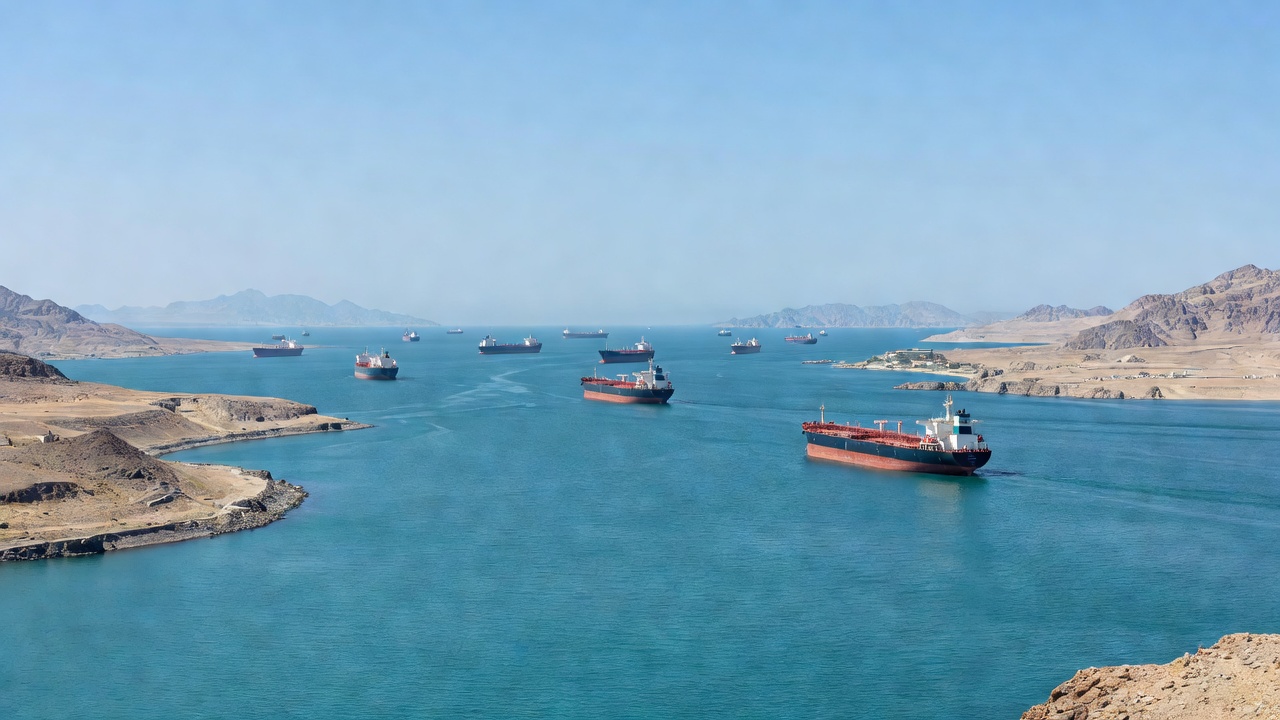
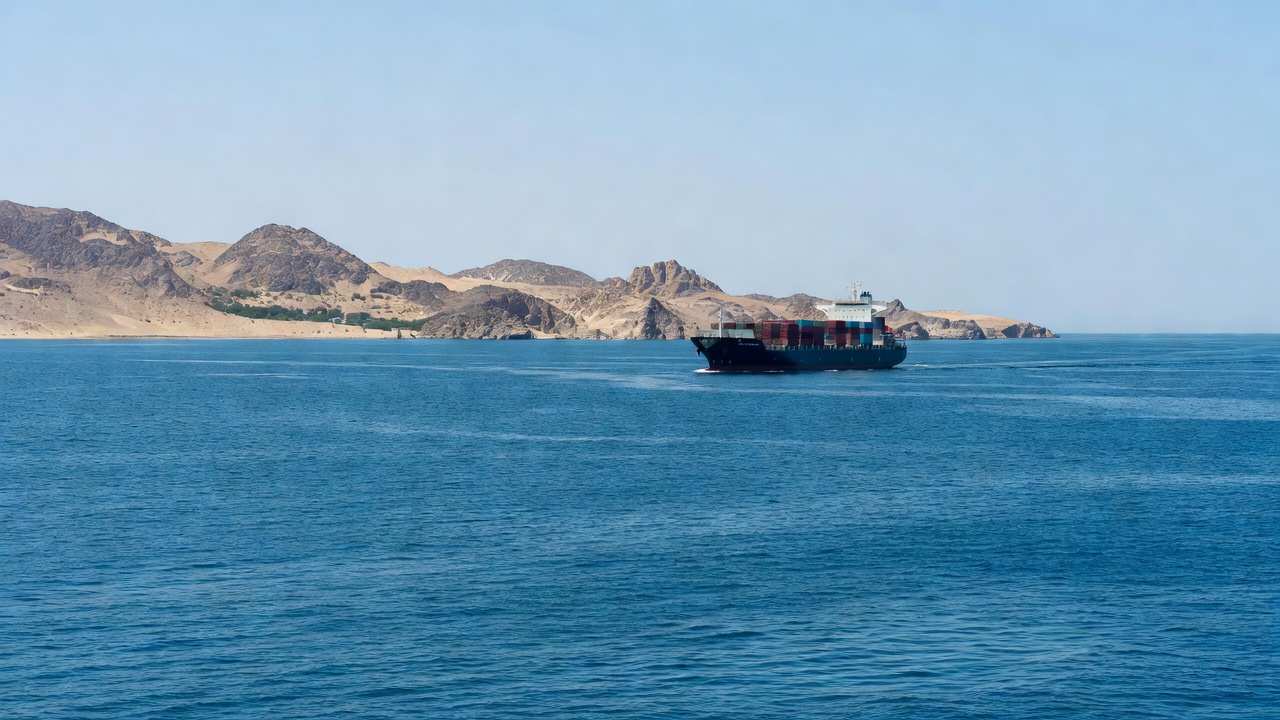
    تلقت هيئة عمليات التجارة البحرية البريطانية (UKMTO) تقريراً يوم الثلاثاء يفيد بأن سفينة شحن أصيبت بمقذوف غير معروف أثناء إبحارها قرب مدخل مضيق هرمز. وقع الحادث على بعد نحو 20 ميلاً بحرياً شمال شرق الخصاب في سلطنة عمان، بحسب ما أوردته صحيفة عرب تايمز التي استندت إلى معلومات UKMTO. وبثت السفينة رسالة طوارئ عبر القناة 16 في الراديو البحري لإبلاغ السلطات. وأعلنت UKMTO أنها فتحت تحقيقاً في الحادث، دون الكشف عن تفاصيل فورية حول حجم الأضرار أو وجود إصابات بين أفراد الطاقم.

    ويأتي هذا الحدث الأخير ضمن سلسلة من الحوادث البحرية التي أبلغ عنها قبالة الساحل العماني خلال الأسابيع الماضية. وأفادت رويترز في 1 أغسطس بأن UKMTO تلقت بلاغين عن حادثين منفصلين قرب شبه جزيرة مسندم، أحدهما أدى إلى تعرض ناقلة نفط لأضرار في غرفة المحركات وتركها خارج السيطرة على بعد 11 ميلاً بحرياً شمال شرق ليما. أما التقرير الثاني الصادر في ذلك اليوم فيشير إلى واقعة وقعت على بعد 21 ميلاً بحرياً شمال شرق الخصاب. وتضع هذه المواقع كلا الحادثين عند مدخل مضيق هرمز، الذي وصفت تقييمات رويترز أنه ينقل نحو خمس الاستهلاك العالمي من النفط في الظروف العادية.

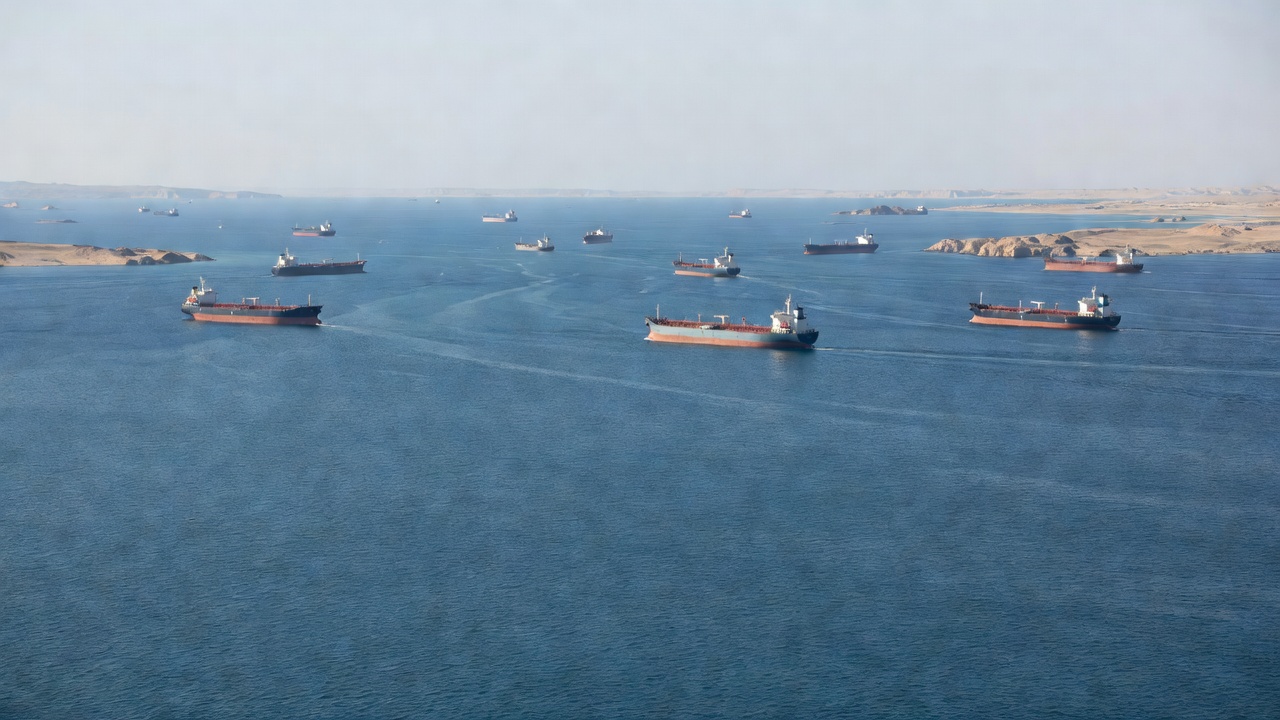
    وتظهر بيانات مراقبة الملاحة انخفاضاً ملحوظاً في حركة المرور عبر المضيق وسط التوترات الإقليمية. وقد حدد مراقب مضيق هرمز حجم الشحنات خلال الـ24 ساعة الماضية بنحو 3.1 مليون طن حمولة، أي ما يعادل نحو 30% من المستويات المتوسطة، مع تسجيل 12 عبوراً فقط مقارنة بمتوسط يومي عادي يبلغ 60 سفينة. وتشير أرقام بريتانيكا تاريخياً إلى أن المضيق كان يمر عبره في المتوسط 20.3 مليون برميل من النفط يومياً، وهو ما يمثل نحو 25% من تجارة النفط البحرية العالمية قبل الاضطرابات الأخيرة.

    وأصدرت UKMTO العديد من التحذيرات هذا العام توثق هجمات ونشاطاً مشبوهاً ومحاولات اختطاف عبر الخليج الفارسي ومضيق هرمز وخليج عمان. وفي 21 يوليو، تضمن تحديث لمذكرة تحذيرية صادرة عن المركز المشترك للمعلومات البحرية سرداً لعدة حوادث تتعلق بناقلات نفط تورطت فيها طائرات بدون طيار مشتبه بها أو مقذوفات مجهولة، مع سلامة معظم الأطقم وعدم وجود تأثير بيئي كبير، واستمرار السفن في الإبحار بقوتها الذاتية أو بمساعدة قاطرات. وأشارت بيانات UKMTO خلال الأشهر الأخيرة إلى أكثر من 50 تقريراً من هذا النوع في المنطقة الأوسع، وفقاً لملخص أمني بحري نشرته شركة سكولد في مارس.

    ورداً على حادث يوم الثلاثاء، وجهت UKMTO السفن في المنطقة إلى توخي الحذر الشديد والبقاء على أهبة الاستعداد لأي نشاط مشبوه والإبلاغ الفوري عن أي مخاوف أمنية. وذكرت عرب تايمز أن التحذير حث السفن تحديداً على متابعة التطورات عن كثب أثناء عبورها للممر البحري المزدحم. وتحتفظ UKMTO بمراقبة على مدار 24 ساعة وتشجع على استخدام القناة 16 VHF للاتصالات الفورية.

    وقد جعل موقع عمان على مضيق هرمز مياهها الساحلية مركزاً للعديد من التحذيرات الأمنية على مدار عام 2026. وسلط تحذير صادر عن الإدارة البحرية الأمريكية في مارس الضوء على التهديدات الإيرانية المستمرة للسفن التجارية في الخليج الفارسي ومضيق هرمز وخليج عمان، داعياً إلى إجراء تقييمات للمخاطر قبل الرحلة والتسجيل لدى UKMTO. ويأتي الاستهداف الأخير بالمقذوف بعد أحداث مشابهة في يوليو ذكرها سجل UKMTO للحوادث الأخيرة على أنها تشمل ناقلات أصيبت أثناء دخولها أو خروجها من المضيق، مع إجلاء الأطقم بسلام في حالة واحدة على الأقل.

  • UKMTO Probes Projectile Strike on Cargo Vessel Off Oman Near Strait of Hormuz

    UKMTO Probes Projectile Strike on Cargo Vessel Off Oman Near Strait of Hormuz

    The United Kingdom Maritime Trade Operations received a report on Tuesday that a cargo vessel had been struck by an unidentified projectile while sailing near the entrance to the Strait of Hormuz. The incident occurred approximately 20 nautical miles northeast of Al Khasab in Oman, according to an Arab Times account that cited UKMTO information. The vessel transmitted an emergency message over VHF Channel 16 to alert authorities. UKMTO stated that an investigation had been opened, though it released no immediate details on the extent of damage or any injuries to the crew.

    This latest event marks another in a series of maritime incidents reported off Oman’s coast in recent weeks. Reuters reported on August 1 that UKMTO had received accounts of two separate incidents near the Musandam Peninsula, including one where a tanker sustained engine room damage and was left not under command about 11 nautical miles northeast of Lima. A second report that day referenced an occurrence 21 nautical miles northeast of Khasab. The locations place both events at the entrance to the Strait of Hormuz, a chokepoint that Reuters assessments have described as carrying about one fifth of global oil consumption in normal conditions.

    Maritime monitoring data shows significantly reduced traffic through the strait amid regional tensions. The Hormuz Strait Monitor placed the past 24 hours’ throughput at 3.1 million deadweight tons, or roughly 30 percent of average levels, with only 12 transits recorded against a normal daily average of 60 ships. Britannica figures have historically placed the strait as the route for an average of 20.3 million barrels of petroleum per day, accounting for about 25 percent of the world’s maritime oil trade prior to recent disruptions.

    UKMTO has issued numerous advisories this year documenting attacks, suspicious activity and hijack attempts across the Persian Gulf, Strait of Hormuz and Gulf of Oman. A July 21 update to a Joint Maritime Information Centre advisory note catalogued several tanker incidents involving suspected UAVs or unknown projectiles, with most crews reported safe, no major environmental impact and vessels either continuing under their own power or assisted by tugs. UKMTO data from recent months indicated more than 50 such reports in the broader area, according to a Skuld maritime security summary published in March.

    In response to Tuesday’s incident, UKMTO directed vessels in the area to exercise heightened caution, remain vigilant for suspicious activity and report any security concerns promptly. The Arab Times reported that the advisory specifically urged ships to monitor developments closely while transiting the busy waterway. UKMTO maintains a 24-hour watch and encourages the use of VHF Channel 16 for immediate communications.

    Oman’s position along the Strait of Hormuz has placed its coastal waters at the center of repeated security alerts throughout 2026. A U.S. Maritime Administration advisory from March highlighted ongoing Iranian threats to commercial vessels in the Persian Gulf, Strait of Hormuz and Gulf of Oman, recommending pre-voyage risk assessments and registration with UKMTO. The latest projectile strike follows similar events in July that a UKMTO recent incidents log listed as involving tankers struck while inbound or outbound through the strait, with crews evacuated safely in at least one case.

  • «سنتكوم» تطلب أفكاراً غير تقليدية للضغط على إيران في ظل مراجعة ترامب للخيارات

    «سنتكوم» تطلب أفكاراً غير تقليدية للضغط على إيران في ظل مراجعة ترامب للخيارات

    أرسل ضابط في شعبة الاستخبارات بالقيادة المركزية الأمريكية (سنتكوم) رسالة بريد إلكتروني عامة الأسبوع الماضي يطلب فيها اقتراحات لطرق جديدة ومبتكرة وغير تقليدية لممارسة الضغط على إيران ومعاقبتها، بحسب مصادر نقلت عنها «أراب تايمز». ويبرز هذا التواصل الذي وصفه أحد المصادر بأنه غير معتاد صعوبة الإدارة في إجبار طهران على العودة إلى المفاوضات دون إثارة تصعيد أوسع في المنطقة. وأفادت الصحيفة بأن الطلب سبق تهديد الرئيس ترامب بتوجيه ضربات إضافية تم تعليقها لاحقاً بعد جهود دبلوماسية شملت تدخلاً سعودياً.

    وقال المتحدث باسم «سنتكوم» النقيب تيموثي هوكينز إن القيادة لها تاريخ طويل في تشجيع التفكير المبتكر إذ يطلب القادة الكبار بانتظام آراء المنتسبين على اختلاف مستوياتهم لتعزيز الفعالية التشغيلية. ويعكس الطلب استمرار الصعوبات التي أعقبت الضربات الجوية الأمريكية الرامية إلى الحد من التهديدات الإيرانية للملاحة البحرية. ولم تحقق هذه العمليات حتى الآن اختراقاً في المحادثات مع طهران كما أشارت الصحيفة.

    وتظهر بيانات إدارة معلومات الطاقة الأمريكية أن تدفق النفط عبر مضيق هرمز بلغ متوسط 20.9 مليون برميل يومياً خلال النصف الأول من 2025 أي ما يعادل نحو 20% من استهلاك السوائل البترولية العالمي. وأدى الصراع الأخير إلى انخفاض حاد في عمليات العبور إذ سجل أحد أجهزة التتبع 19 سفينة فقط خلال 24 ساعة في يوليو 2026 مقابل متوسط يومي طبيعي يقارب 60 سفينة. وأوضحت «أراب تايمز» أن الضربات الجوية هدفت إلى إضعاف قدرة إيران على تعطيل الشحن في الممر المائي مع الضغط لاستئناف المفاوضات.

    وأعد المسؤولون الأمريكيون خططاً تستهدف منشآت إيرانية مرتبطة بالمواد أو المعدات النووية بحسب تقرير «أراب تايمز». وأظهرت تقييمات معهد العلوم والأمن الدولي عقب حرب الأيام الـ12 عام 2025 أن المواقع الرئيسية في فوردو ونطنز وأصفهان تعرضت لأضرار بالغة رغم استمرار الشكوك حول التدمير الكامل للمكونات تحت الأرض. كما خلصت مراجعة لوكالة الاستخبارات الدفاعية استشهدت بها «سي إن إن» في يونيو 2025 إلى أن الضربات السابقة أخرت البرنامج النووي الإيراني لأشهر دون إزالة العناصر الأساسية أو مخزون اليورانيوم المخصب.

    وأكد رئيس هيئة الأركان المشتركة الجنرال دان كين للمشرعين أن القوة الجوية تواجه حدوداً واضحة وهو ما أكدته التقارير الاستخباراتية أيضاً إذ أن القصف وحده غير مرجح أن يغير موقف طهران من المفاوضات. ومن بين الخيارات المعروضة على ترامب حملة قصف كبرى تستغرق أسبوعاً أو أسبوعين لتدمير قدرات الصواريخ. وأبدى المسؤولون قلقهم إزاء الضغط على الموارد العسكرية والخسائر المدنية المحتملة والتداعيات الإقليمية الأوسع لهذا الخيار.

    ويواجه ترامب معضلة استراتيجية حول ما إذا كان يتعين تعميق التورط بإرسال قوات برية أو قبول تبادلات طويلة الأمد قد تهدد الاستقرار حول مضيق هرمز بشكل أكبر. وقال الرئيس خلال اجتماع لمجلس الوزراء «أعتقد أننا نريد فقط الفوز» مضيفاً أن إيران ستصل في النهاية إلى نقطة لا تستطيع بعدها مواصلة المواجهة. ويأتي نداء القيادة للحصول على أفكار جديدة في وقت تؤكد فيه تحاليل قانونية منها مراجعة نشرتها «جست سيكيوريتي» في فبراير 2026 عدم وجود تفويض كونغرسي حالي يسمح صراحة باستخدام قوة أمريكية مستدامة ضد إيران.

  • CENTCOM Seeks Unconventional Ideas to Pressure Iran as Trump Reviews Options

    CENTCOM Seeks Unconventional Ideas to Pressure Iran as Trump Reviews Options

    An officer in the intelligence branch of US Central Command sent a broad email last week requesting ideas for new creative and unconventional ways to pressure and punish Iran according to sources cited by Arab Times. The outreach which one source called unusual underscores the administration’s struggle to force Tehran back to negotiations without sparking wider escalation across the region. Arab Times reported that the request came ahead of President Trump’s threat of additional strikes which were later halted following diplomatic efforts that included Saudi Arabian intervention.

    CENTCOM spokesperson Capt. Timothy Hawkins stated that the command maintains a long history of encouraging innovative thinking with senior leaders routinely seeking input from personnel at all levels to boost operational effectiveness. The solicitation reflects persistent difficulties in the wake of US airstrikes aimed at curbing Iran’s threats to maritime traffic. Those operations have yet to yield a breakthrough in talks with Tehran the report noted.

    US Energy Information Administration data shows that oil flows through the Strait of Hormuz averaged 20.9 million barrels per day in the first half of 2025 equivalent to roughly 20 percent of global petroleum liquids consumption. Recent conflict has sharply reduced transits with one tracker reporting only 19 ships in a 24-hour period in July 2026 against a normal daily average near 60. Arab Times said the airstrikes sought to weaken Iran’s ability to disrupt shipping in the waterway while pressing for renewed negotiations.

    US officials have prepared plans targeting Iranian facilities linked to nuclear material or equipment the Arab Times account stated. Assessments from the Institute for Science and International Security following the 2025 12-Day War indicated that main sites at Fordow Natanz and Esfahan sustained extensive damage though questions linger over full destruction of underground components. A CNN-cited Defense Intelligence Agency review in June 2025 similarly concluded that earlier strikes set back Iran’s program by months without eliminating core elements or its enriched uranium stockpile.

    Joint Chiefs of Staff chairman Gen. Dan Caine told lawmakers that air power has clear limitations a point echoed in intelligence findings that bombing alone is unlikely to alter Tehran’s negotiating stance. Among options presented to Trump is a major one- to two-week bombing campaign to degrade missile capabilities according to the report. Officials have raised concerns over strains on military resources possible civilian casualties and broader regional fallout from such action.

    Trump faces a strategic dilemma over whether to deepen involvement with ground forces or tolerate extended exchanges that could further imperil stability around the Strait of Hormuz Arab Times reported. During a Cabinet meeting the president said «I think we just want to win» while adding that Iran would eventually reach a point where it could no longer continue the confrontation. The command’s call for fresh ideas comes as legal analyses including a Just Security review published in February 2026 affirm that no existing congressional authorization specifically permits sustained US force against Iran.

  • عائلات إيرانية تقلص وجباتها الغذائية وسط تضخم ثلاثي الأرقام في أسعار الطعام مع احتفاء الصحف المتشددة بتراجع ترامب عن الضربات

    عائلات إيرانية تقلص وجباتها الغذائية وسط تضخم ثلاثي الأرقام في أسعار الطعام مع احتفاء الصحف المتشددة بتراجع ترامب عن الضربات

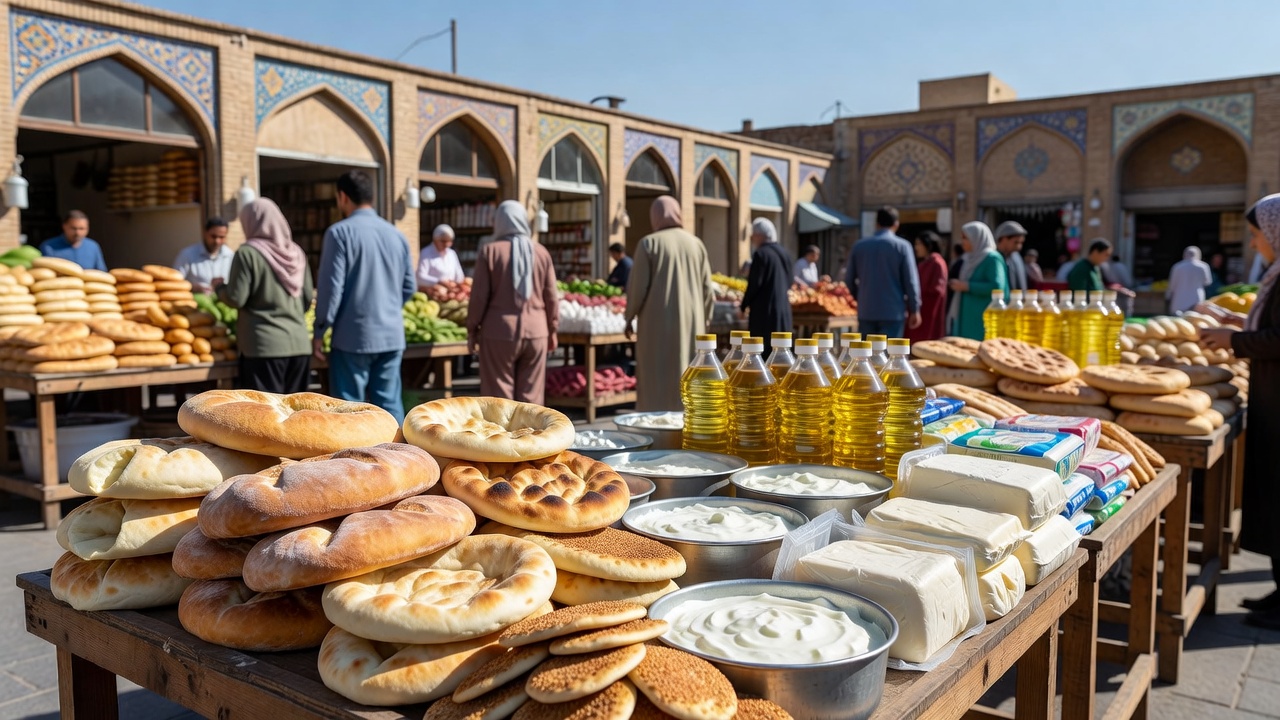
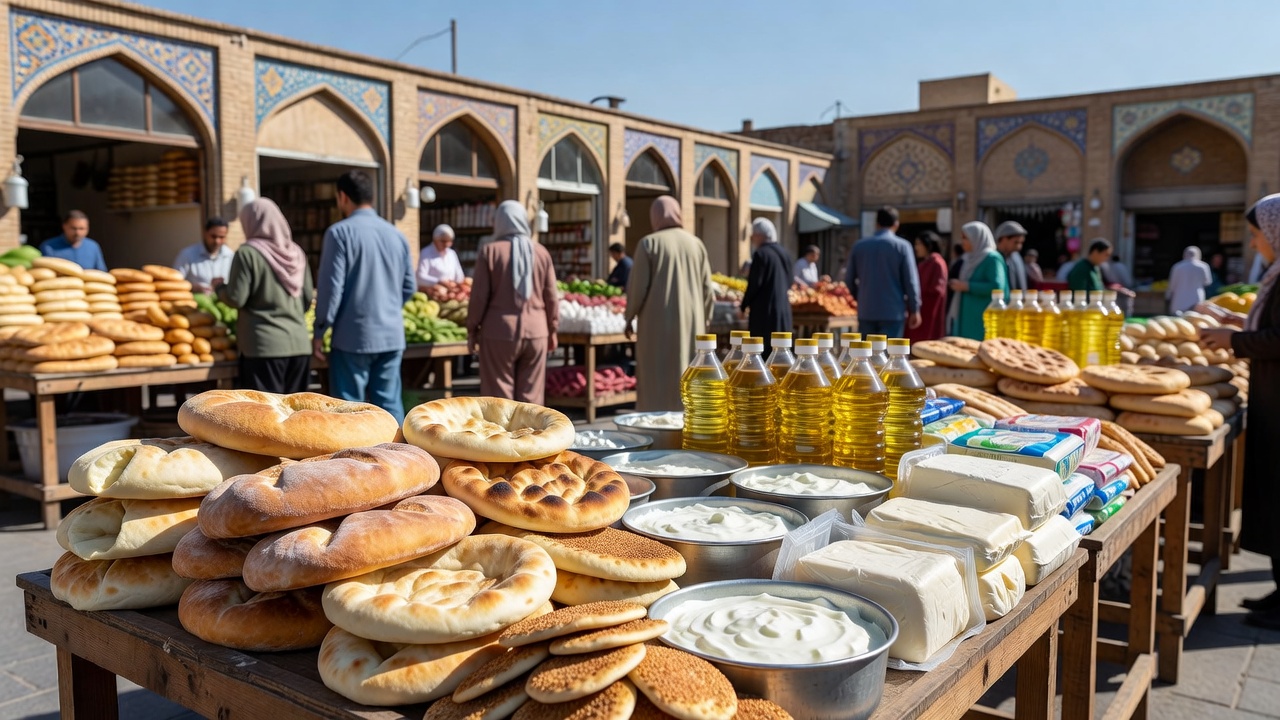
    واجهت الأسر الإيرانية ضغوطاً اقتصادية حادة ناجمة عن ارتفاع أسعار الغذاء في 3 أغسطس 2026، إذ أورد الموقع الإخباري المعتدل رویداد24 عبر صحيفة «عرب تايمز» أن أسعار الدجاج ارتفعت بنحو 190% على أساس سنوي بينما صعد سعر الحليب المبستر 150% وزاد الزبادي نحو 130%. وحقق زيت الطبخ بعضاً من أكبر المكاسب، حيث ارتفعت الأصناف السائلة أكثر من 340% والزيت الصلب للطبخ بنحو 400% مقارنة بالفترة ذاتها قبل عام. وحدد المركز الإحصائي الإيراني على حدة معدل التضخم الغذائي الإجمالي بنسبة 115% في مطلع 2026 للسلع التي تشمل الأرز والألبان، بحسب تغطية «الجزيرة» للبيانات الرسمية، الأمر الذي يفاقم الضغوط الواضحة أصلاً في أرقام البنك المركزي الإيراني التي سجلت قمة بلغت 105% في فبراير.

    واستجابت العديد من الأسر بحذف اللحوم الحمراء من وجباتها أولاً قبل أن تقلص استهلاك الدجاج ومنتجات الألبان، كما واصل تقرير «عرب تايمز»، حتى بات من الصعب الحفاظ على البيض وزيت الطبخ والخبز مع تضاؤل الميزانيات. ودفع البطالة وفقدان الوظائف على نطاق واسع بعض الإيرانيين إلى بيع المواد الغذائية في شوارع المدن كعلامة مرئية على الضائقة، أضاف التقرير. وأظهرت بيانات صندوق النقد الدولي أن التضخم الغذائي يتراوح بين 140 و200% في التقييمات الأخيرة، وهو أعلى بكثير من المعدلات العامة التي تقارب 70% ويتجاوز بفارق كبير المتوسط طويل الأمد البالغ 35.42% الذي يتابعه موقع تريدينغ إيكونوميكس منذ 2012.

    وقد حدثت أزمة تكاليف الغذاء هذه في ظل انخفاض قيمة العملة حيث فقد الريال الإيراني ثلاثة أرباع قيمته على مدى أربع سنوات، بحسب تحليل منتدى الشرق الأوسط لاتجاهات المركز الإحصائي الإيراني، مع ارتفاع أسعار الخبز والحبوب إلى ما يقارب الضعف خلال تلك الفترة. وسلط تقرير «الغارديان» الصادر في مايو 2026 الضوء على غضب الجمهور إزاء ارتفاع بنسبة 308% في زيت الخضروات و190% في الدجاج، وهي بيانات تتوافق إلى حد كبير مع أحدث النتائج التي توصل إليها رویداد24. وقد أثرت هذه الضغوط على الأسر ذات الدخل المنخفض والريفية بشكل أشد، إذ ارتفع التضخم السنوي للغذاء والمشروبات والتبغ إلى 112.5% بحلول مارس، كما أشارت «إيران إنترناشونال» استناداً إلى الإصدارات الرسمية.

    وفي تطورات موازية، تفاعلت الصحف المتشددة في إيران مع إعلان الرئيس دونالد ترامب أنه ألغى الضربات المخططة على البنية التحتية الإيرانية، كما أفادت «عرب تايمز» من طهران. ونشرت «همشهري» صورة على الصفحة الأولى لعصا نقل السرعات في سيارة تحمل ظل ترامب في وضعية التراجع تحت عنوان «تروس ترامب العكسي»، معتبرة الخطوة تراجعاً عن المواجهة. أما «كيهان» فقد أكدت أن القوة الوطنية هي التي دفعت نحو هذا التحول، مشيرة حرفياً إلى أن «قوة إيران أعطت الجواب» فيما ادعت أن ترامب سحب تهديداته.

    وعزا ترامب إلغاء الضربات إلى جهود دبلوماسية متجددة وعبر عن تفاؤله بإمكانية التوصل إلى اتفاقات حول إعادة فتح مضيق هرمز إلى جانب مفاوضات نووية جديدة مع إيران، بحسب ما نقلته «عرب تايمز» عن تصريحاته. وصور اليوميات المتشددة النتيجة على أنها انتصار، مستندة إلى تغطية سابقة ربطت التغييرات في السياسة بوضع إيران الإقليمي. وتزامن هذا الإطار الإعلامي مع التحديات الاقتصادية الداخلية التي استمرت رغم الانخفاضات الشهرية المتقطعة في التضخم الجملة، كما أشارت «فورتشن» في مراجعتها لأسعار المنتجين في يوليو.

    ويبرز السياق الأوسع من مراجعات شركة PwC والبنك الدولي للاقتصادات الإقليمية مدى هشاشة قطاع الغذاء في إيران، الذي يشكل حصة كبيرة من إنفاق الأسر، أمام اضطرابات الإمداد وتكاليف الاستيراد التي تضخمها عوامل خارجية. وقد وثق المركز الإحصائي الإيراني تضاعف أسعار الغذاء ثلاث مرات خلال السنوات الأخيرة، وهو اتجاه يتوقع موقع تريدينغ إيكونوميكس أن يستقر التضخم عنده قرب 70% بنهاية 2027 وفق النماذج الحالية. ولم يصدر المسؤولون بيانات إجمالية محدثة على مستوى البلاد منذ ظهور التقارير في أغسطس.

  • Iranian Families Slash Diets Amid Triple-Digit Food Inflation as Hardline Press Reacts to Trump Strike Reversal

    Iranian Families Slash Diets Amid Triple-Digit Food Inflation as Hardline Press Reacts to Trump Strike Reversal

    Iranian households confronted severe economic strain from soaring food costs on August 3, 2026, with moderate outlet Rouydad24 reporting through the Arab Times that chicken prices had climbed around 190 percent year-on-year while pasteurized milk rose 150 percent and yogurt increased about 130 percent. Cooking oil posted some of the largest gains, as liquid varieties advanced more than 340 percent and solid cooking oil nearly 400 percent compared with the same period a year earlier. The Statistical Center of Iran separately placed overall food inflation at 115 percent in early 2026 for items including rice and dairy, according to Al Jazeera coverage of official data, compounding pressures already evident in Central Bank of Iran figures that recorded a 105 percent peak in February.

    Many families responded by first eliminating red meat from their meals before cutting back on chicken and dairy products, the Arab Times account continued, until even eggs, cooking oil and bread grew difficult to sustain on shrinking budgets. Unemployment and widespread job losses have pushed some Iranians to sell food items on city streets in a visible sign of distress, the report added. International Monetary Fund data showed food inflation ranging between 140 and 200 percent in recent assessments, well above headline rates near 70 percent and far exceeding the long-term average of 35.42 percent tracked by Trading Economics since 2012.

    The food cost crisis has unfolded against a backdrop of currency devaluation in which the Iranian rial lost three-quarters of its value over four years, according to the Middle East Forum analysis of Statistical Center of Iran trends, with bread and cereals nearly doubling in price during that span. Guardian reporting from May 2026 highlighted public anger over 308 percent increases in vegetable oil and 190 percent rises in chicken, data that closely tracks the latest Rouydad24 findings. These pressures have hit lower-income and rural households hardest, as year-on-year inflation for food, beverages and tobacco climbed to 112.5 percent by March, Iran International noted from official releases.

    In parallel developments, Iran’s hardline newspapers reacted to President Donald Trump’s announcement that he had called off planned strikes on Iranian infrastructure, the Arab Times reported from Tehran. Hamshahri featured a front-page image of a car gear stick with Trump’s silhouette in the reverse position under the headline «Trump’s Reverse Gear,» framing the move as a retreat from confrontation. Kayhan asserted that national strength had driven the shift, stating verbatim that «Iran’s power delivered the answer» while claiming Trump had withdrawn his threats.

    Trump attributed the cancellation to renewed diplomatic efforts and voiced optimism that deals could emerge on reopening the Strait of Hormuz alongside fresh nuclear negotiations with Iran, according to the Arab Times account of his remarks. The hardline dailies portrayed the outcome as a victory, building on earlier coverage that tied policy changes to Iran’s regional posture. Such media framing coincided with domestic economic challenges that have persisted despite occasional monthly dips in wholesale inflation, as Fortune noted in its July review of producer prices.

    Broader context from PwC and World Bank reviews of regional economies underscores how Iran’s food sector, which accounts for a large share of household spending, remains vulnerable to supply disruptions and import costs amplified by external factors. The Statistical Center of Iran has documented food prices tripling over recent years, a trend that Trading Economics projects could see inflation settle near 70 percent by the end of 2027 under current models. Officials have not released updated nationwide aggregates since the August reports surfaced.

  • ترامب يلغي ضربة عسكرية مخططة ضد إيران بعد اتفاق إطاري نووي

    ترامب يلغي ضربة عسكرية مخططة ضد إيران بعد اتفاق إطاري نووي

    كشف الرئيس الأمريكي دونالد ترامب في منشور على «تروث سوشيال» السبت أنه ألغى ضربة عسكرية كانت مخططة ضد إيران بعد تلقي طلبات من طهران وعدة دول في الشرق الأوسط لوقف العمليات والعودة إلى التفاوض. وكانت الولايات المتحدة على أهبة الاستعداد لعملية بمستويات قوة غير مسبوقة منذ الحرب العالمية الثانية، بحسب رواية الرئيس التي نقلتها «عرب تايمز». وقال ترامب إن إسرائيل أيدت قرار التريث فيما يسعى الطرفان لإتمام الاتفاق، ودعا إلى تحقيق تقدم سريع للوصول إلى حل دائم.

    ويركز الإطار المتفق عليه على إعادة فتح مضيق هرمز فوراً وبشكل كامل، مع اتخاذ تدابير لإزالة التهديد النووي الإيراني، على النحو الذي أوضحه ترامب في منشوره. وكتب: «بناءً على هذا الطلب، وافقت لمصلحة العالم مستقبلاً ولكي تبقى إيران ناجحة ومزدهرة، على إلغاء الهجوم شريطة التمكن من إبرام اتفاق بسرعة». وجاء الإعلان في وقت يواصل فيه الدبلوماسيون بناءً على جولات سابقة من المحادثات غير المباشرة التي انطلقت في أبريل 2025 بوساطة عمانية، وهي عملية وثقتها تقارير خدمة أبحاث الكونغرس الأمريكي.

    وتطرقت المفاوضات إلى آليات التحقق ومخزون إيران من اليورانيوم المخصب ونطاق أنشطة التخصيب المقبلة، وفق ملخصات مجلس العلاقات الخارجية. وأظهرت بيانات الوكالة الدولية للطاقة الذرية أن إيران خصبت اليورانيوم إلى مستويات تقترب من الدرجة العسكرية وزادت مخزونها منذ انهيار الاتفاقيات السابقة. ومن شأن الإطار الجديد أن يطيل المدة اللازمة للوصول إلى مرحلة الاختراق التي تقلصت إلى أسابيع قليلة في الظروف الراهنة.

    وكانت إدارة ترامب الأولى قد انسحبت من خطة العمل الشاملة المشتركة لعام 2015 في 2018، وأعادت فرض عقوبات واسعة دفع طهران إلى استئناف أعمالها النووية المتقدمة. وفشلت المحاولات الدبلوماسية اللاحقة تحت إدارات مختلفة في إحياء الاتفاق الأصلي، مما مهد للانخراط المباشر الحالي بين إدارة ترامب الثانية والمسؤولين الإيرانيين. ويفتح أحدث تعليق للتخطيط العسكري نافذة ضيقة لحل الخلافات المتبقية قبل استئناف التصعيد.

    ويبقى مضيق هرمز محور الاهتمام لأن نحو خمس التجارة النفطية البحرية العالمية يمر عبره يومياً، بحسب إحصاءات إدارة معلومات الطاقة الأمريكية. وأي إغلاق أو تعطيل سيرفع أسعار الطاقة بشكل حاد ويهدد سلاسل الإمداد الممتدة من الخليج إلى آسيا وأوروبا. ويعكس تركيز ترامب على إعادة فتحه الفوري المخاوف المستمرة بشأن حرية الملاحة التي أدت سابقاً إلى عمليات بحرية أمريكية وحليفة في المنطقة.

    ولم تؤكد إيران الإطار المبلغ عنه بعد، ولم تصدر أي رد رسمي على تصريح ترامب، كما أفادت «عرب تايمز». ويتابع المحللون الإقليميون ردة فعل طهران عن كثب في ظل تاريخ من المحادثات المتعثرة وعدم الثقة المتبادلة الذي تراكم على مدى أكثر من عشر سنوات. وجاء التطور بعد أشهر من الاتصالات الخلفية التي بدت تكتسب زخماً فقط بعد تهديدات واضحة بتجديد الضغط العسكري من واشنطن.

  • Trump Halts Planned Strike on Iran After Nuclear Framework Agreement

    Trump Halts Planned Strike on Iran After Nuclear Framework Agreement

    US President Donald Trump revealed in a Truth Social post on Saturday that he called off a planned military strike against Iran after receiving requests from Tehran and several Middle Eastern countries to pause operations and negotiate. The United States had been prepared for action at force levels not seen since World War II, according to the president’s account reported by Arab Times. Trump stated that Israel supported the decision to hold off while both sides work toward finalizing an agreement, and he urged rapid progress to secure a lasting deal.

    The framework centers on the immediate and complete reopening of the Strait of Hormuz along with measures to eliminate Iran’s nuclear threat, Trump detailed in the post. «Based on this request, I have agreed, for the future benefit of the world and the survival of a successful and prosperous Iran, to cancel the attack, subject to being able to rapidly make a deal,» he wrote. The announcement arrives as diplomats build on earlier rounds of indirect talks that began in April 2025 with Oman acting as intermediary, a process documented in US Congressional Research Service assessments.

    Those negotiations have addressed verification mechanisms, Iran’s stockpile of enriched uranium and the scope of future enrichment activities, according to summaries from the Council on Foreign Relations. Iran has enriched uranium to levels approaching weapons grade and expanded its stockpile since the collapse of prior agreements, data from the International Atomic Energy Agency indicates. A new framework could extend breakout timelines that have shrunk to mere weeks under current conditions.

    Trump’s first administration withdrew the United States from the 2015 Joint Comprehensive Plan of Action in 2018, reinstating broad sanctions that prompted Iran to resume advanced nuclear work, the Council on Foreign Relations backgrounder shows. Subsequent diplomatic efforts under different administrations failed to restore the original terms, setting the stage for the current direct engagement between the second Trump administration and Iranian officials. The latest pause in military planning offers a narrow window to resolve outstanding differences before escalation resumes.

    The Strait of Hormuz remains a focal point because roughly one-fifth of global seaborne oil trade transits the waterway each day, according to US Energy Information Administration statistics. Any closure or disruption would send energy prices soaring and threaten supply chains stretching from the Gulf to Asia and Europe. Trump’s emphasis on its immediate reopening reflects long-standing concerns over freedom of navigation that have prompted previous US and allied naval operations in the area.

    Iran has not yet confirmed the reported framework or issued any public response to Trump’s statement, Arab Times reported. Regional analysts are monitoring Tehran’s reaction closely given the history of stalled talks and mutual distrust built up over more than a decade. The development follows months of back-channel discussions that appeared to gain momentum only after explicit threats of renewed military pressure from Washington.