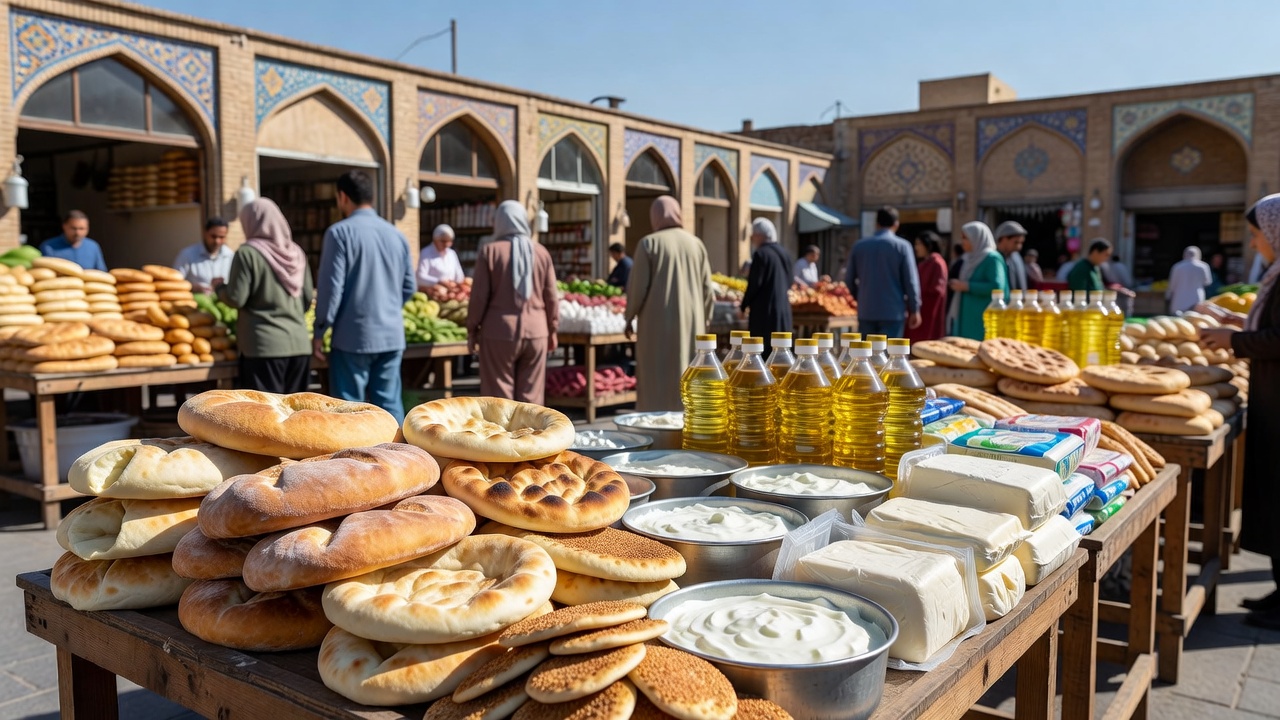
Iranian households confronted severe economic strain from soaring food costs on August 3, 2026, with moderate outlet Rouydad24 reporting through the Arab Times that chicken prices had climbed around 190 percent year-on-year while pasteurized milk rose 150 percent and yogurt increased about 130 percent. Cooking oil posted some of the largest gains, as liquid varieties advanced more than 340 percent and solid cooking oil nearly 400 percent compared with the same period a year earlier. The Statistical Center of Iran separately placed overall food inflation at 115 percent in early 2026 for items including rice and dairy, according to Al Jazeera coverage of official data, compounding pressures already evident in Central Bank of Iran figures that recorded a 105 percent peak in February.
Many families responded by first eliminating red meat from their meals before cutting back on chicken and dairy products, the Arab Times account continued, until even eggs, cooking oil and bread grew difficult to sustain on shrinking budgets. Unemployment and widespread job losses have pushed some Iranians to sell food items on city streets in a visible sign of distress, the report added. International Monetary Fund data showed food inflation ranging between 140 and 200 percent in recent assessments, well above headline rates near 70 percent and far exceeding the long-term average of 35.42 percent tracked by Trading Economics since 2012.
The food cost crisis has unfolded against a backdrop of currency devaluation in which the Iranian rial lost three-quarters of its value over four years, according to the Middle East Forum analysis of Statistical Center of Iran trends, with bread and cereals nearly doubling in price during that span. Guardian reporting from May 2026 highlighted public anger over 308 percent increases in vegetable oil and 190 percent rises in chicken, data that closely tracks the latest Rouydad24 findings. These pressures have hit lower-income and rural households hardest, as year-on-year inflation for food, beverages and tobacco climbed to 112.5 percent by March, Iran International noted from official releases.
In parallel developments, Iran’s hardline newspapers reacted to President Donald Trump’s announcement that he had called off planned strikes on Iranian infrastructure, the Arab Times reported from Tehran. Hamshahri featured a front-page image of a car gear stick with Trump’s silhouette in the reverse position under the headline «Trump’s Reverse Gear,» framing the move as a retreat from confrontation. Kayhan asserted that national strength had driven the shift, stating verbatim that «Iran’s power delivered the answer» while claiming Trump had withdrawn his threats.
Trump attributed the cancellation to renewed diplomatic efforts and voiced optimism that deals could emerge on reopening the Strait of Hormuz alongside fresh nuclear negotiations with Iran, according to the Arab Times account of his remarks. The hardline dailies portrayed the outcome as a victory, building on earlier coverage that tied policy changes to Iran’s regional posture. Such media framing coincided with domestic economic challenges that have persisted despite occasional monthly dips in wholesale inflation, as Fortune noted in its July review of producer prices.
Broader context from PwC and World Bank reviews of regional economies underscores how Iran’s food sector, which accounts for a large share of household spending, remains vulnerable to supply disruptions and import costs amplified by external factors. The Statistical Center of Iran has documented food prices tripling over recent years, a trend that Trading Economics projects could see inflation settle near 70 percent by the end of 2027 under current models. Officials have not released updated nationwide aggregates since the August reports surfaced.
Добавить комментарий