Рубрика: Middle East

  • إيران تسقط طائرتين أمريكيتين وإسرائيل تقصف جسور لبنان وسط رفض إنذار ترامب

    إيران تسقط طائرتين أمريكيتين وإسرائيل تقصف جسور لبنان وسط رفض إنذار ترامب

    في 4 أبريل 2026 أسقطت إيران طائرتين حربيتين أمريكيتين بينما قصفت إسرائيل جسورا في لبنان مما أسفر عن سقوط ما لا يقل عن 15 قتيلا وفقا لتقارير صحيفة الغارديان. رفضت طهران الإنذار الذي قدمه الرئيس دونالد ترامب ووصفته بأنه ‘عاجز وعصبي’ بحسب مدونة الجزيرة. يأتي ذلك ضمن حرب مستمرة منذ أسابيع أدت إلى خسائر كبيرة في المنطقة.

    ذكرت مدونة الجزيرة أن الطائرتين أسقطتا في حوادث منفصلة داخل إيران. وأفادت مصادر أمريكية بإنقاذ أحد أفراد الطاقم في عملية ليلية بينما لا يزال الآخر مفقودا وفقا لتقرير أسوشيتد برس. وأشارت التقارير إلى أن إسرائيل ساعدت في بعض عمليات الإنقاذ. وأكدت إيران محاولتها السيطرة على الطاقم لأغراض استخباراتية.

    وفي لبنان أدت الغارات الإسرائيلية على الجسور إلى مقتل ثمانية أشخاص على الأقل بمن فيهم مدنيون حسبما أوردت الجزيرة. وقال مسؤولون لبنانيون إن الجسور كانت تستخدم لأغراض مدنية وإنسانية. وأوضحت مصادر إسرائيلية أن الهدف كان قطع طرق إمداد حزب الله. وأضافت أن الضربات جاءت ردا على هجمات صاروخية سابقة.

    وبحسب تقارير إعلامية مجمعة أسفر النزاع عن مقتل أكثر من ألفي شخص في لبنان منذ مارس الماضي. وأفاد تقرير للأمم المتحدة بتأثر المدنيين بشكل كبير. وذكرت رويترز أن إيران طالبت بإنهاء القتال في كل الجبهات بما في ذلك لبنان ضمن أي اتفاق سلام. وأكدت أن موقفها يشمل مطالب بتعويضات.

    وصرح المتحدث باسم الخارجية الإيرانية بأن الرد على الإنذار الأمريكي كان مدروسا ويرفض الضغوط. وقال في تصريح لوسائل الإعلام إن إيران لن تقبل أي إملاءات. وأفادت أسوشيتد برس بأن ترامب رفض الاقتراح الإيراني ووصفه بأنه ‘غير مقبول تماما’. وأضاف أن المفاوضات قد تستمر عبر وسطاء.

    واستمرت الجهود الدبلوماسية رغم التصعيد العسكري مع دور بارز لباكستان في الوساطة حسبما ذكرت فرانس 24. وأشارت تقارير إلى أن وقف إطلاق نار مؤقت تم اقتراحه لمدة أسبوعين لكن إيران اشترطت ضمانات بعدم التكرار. وأكدت المصادر أن النزاع أثر على أسعار النفط العالمية وأمن الملاحة في المنطقة.

  • Almodovar Premieres Self-Reflective Drama at Cannes in Palme d’Or Bid

    Almodovar Premieres Self-Reflective Drama at Cannes in Palme d’Or Bid

    Spanish filmmaker Pedro Almodovar premiered his latest movie Bitter Christmas at the 79th Cannes Film Festival on May 19 2026 earning a nine-minute standing ovation after its screening in the main competition. The tragicomedy represents the director’s seventh film competing for the Palme d’Or a prize that has so far eluded him despite earlier successes at the event. France 24 reported that Almodovar has returned to the Croisette with an autofiction work that draws on themes of creative crisis and self-imagination.

    The Cannes Film Festival selected the 112-minute Spanish production for its main competition according to the event’s official program. Almodovar wrote and directed the story of a cult filmmaker named Raul who faces a creative block after tragedy strikes a close collaborator and then incorporates the events into his next screenplay. The narrative questions how far an artist can go in using real-life suffering for inspiration as detailed in the festival synopsis and supporting coverage from Le Monde.

    Almodovar who turned 76 this year has maintained a longstanding connection with Cannes since winning Best Director for All About My Mother in 1999. Subsequent entries have included Volver Broken Embraces and Pain and Glory none of which secured the Palme d’Or according to festival records compiled by Le Monde. This latest feature continues his exploration of melodrama desire performance and the filmmaking process itself a pattern identified across his recent output.

    A medical emergency interrupted one press screening forcing a temporary evacuation and delay before the film resumed according to Deadline. Despite the disruption audience members responded with sustained applause that lasted nine minutes at the world premiere. The cast features Bárbara Lennie as a director who draws creative fuel from her friends’ personal misfortunes Leonardo Sbaraglia Aitana Sánchez-Gijón and Victoria Luengo.

    Critics assigned the film an average score of 2.9 out of 4 after its initial screenings a tally published by Ioncinema.com from its 2026 Cannes panel. The movie blends parallel storylines that reflect on anxiety creativity and the boundaries of artistic appropriation. It forms part of a broader Spanish contingent at the festival which also includes other titles competing for top honors.

    The 2026 Cannes lineup announced in April featured new works from Ira Sachs Asghar Farhadi and additional directors with Almodovar’s project among the most anticipated. His production company El Deseo has supplied multiple competition entries over the decades. Bitter Christmas opened simultaneously in French theaters on the same day as its festival debut the organizers stated.

    Cinematographer Pau Esteve Birba who previously worked with Almodovar handled the camera for this 23rd feature film from the Spanish auteur. The production draws on locations including Lanzarote and Madrid to ground its examination of personal and professional turmoil. Coverage from multiple outlets positioned the premiere as a highlight of the festival’s eighth day.

  • DLA Piper and Gateley Middle East Promote Lawyers to Partnership in Dubai UPDATED

    DLA Piper and Gateley Middle East Promote Lawyers to Partnership in Dubai UPDATED

    DLA Piper and Gateley Middle East each elevated a lawyer to partner in their Dubai offices effective May 1, 2026, as international firms expand capabilities in the UAE’s growing legal sector. DLA Piper elevated Adrianus Schoorl, leader of its financial services regulatory practice for the Middle East and North Africa, as part of a global round that included 62 new partners worldwide. Gateley Middle East advanced Amun Bashir within its corporate practice, citing her role in building the firm’s regional mergers and acquisitions work since joining in 2025.

    DLA Piper’s announcement detailed that Schoorl brings more than 25 years of financial regulatory experience across Europe, the Middle East and North America. He joined the firm in 2024 after serving as general counsel and head of compliance at fintech company Wizz Financial. Earlier in his career Schoorl worked at Allen & Overy, Freshfields Bruckhaus Deringer and White & Case, where he contributed to the development of financial regulatory practices, and held positions with regulators in multiple jurisdictions.

    Schoorl said, «DLA Piper’s global platform and strong presence in the Middle East create an exceptional opportunity to continue supporting clients on complex regulatory matters. I look forward to continuing to grow our financial services regulatory practice in the MENA region alongside a highly talented team.» Peter Somekh, DLA Piper’s managing director for the Middle East and Africa, stated that financial services regulation continues to be a key area of focus for clients as the region strengthens its position as a global financial hub. Somekh added that Schoorl’s promotion reflects both the growth of this practice area and the firm’s continued investment in supporting clients through an increasingly dynamic regulatory environment.

    DLA Piper ranks among the top three largest law firms in the Middle East according to 2025 rankings by Law.com International. The firm is expanding its Abu Dhabi presence with a new office in the ADGM scheduled to open later in 2026. The 62 global promotions, of which 24 were in the US, took effect on May 1, 2026, and target growth in key practices including litigation and regulatory work.

    Gateley Middle East promoted Amun Bashir to partner in its corporate practice. She has advised on regional and cross-border mergers and acquisitions, joint ventures and commercial matters while contributing to the expansion of the firm’s transactional capabilities. The move reflects the firm’s strategy to scale its Middle East platform with a sector-led focus that includes retail and consumer areas.

    Bashir said, «I am proud to step into the partnership at a time of strong momentum for Gateley Middle East. My promotion reflects the continued investment by the business in growing a market-leading corporate transactions practice in the region with a clear focus on running well-run, efficient transactions combining technical excellence with clear, pragmatic advice that clients can act on quickly. Looking ahead, my focus will be on continuing to scale our corporate transactional practice in the Middle East, deepening relationships with key clients and intermediaries, and further strengthening our sector-led approach, particularly across retail and consumer.» Darren Harris, managing partner and head of corporate at Gateley Middle East, described the appointment as well deserved and a significant investment in the practice’s future. Harris noted that Bashir combines strong technical expertise with deep regional market understanding and exemplifies the firm’s growth ambitions.

    Grand View Research projects the UAE legal services market to expand from $5.0 billion in 2024 to $7.6 billion by 2030 at a compound annual growth rate of 7.4 percent, with corporate services as the largest segment. The growth aligns with Dubai’s role as a hub for international finance, cross-border deals and regulatory developments in areas such as fintech and digital assets. Both promotions position the firms to address rising client demand for specialized advice in these evolving areas.

  • Mohammed bin Salman and Mohamed bin Zayed Review Regional Stability in Phone Conversation

    Mohammed bin Salman and Mohamed bin Zayed Review Regional Stability in Phone Conversation

    The Saudi Crown Prince and Prime Minister Mohammed bin Salman held a telephone conversation with UAE President Sheikh Mohamed bin Zayed Al Nahyan on May 13, 2026. The two leaders discussed fraternal relations, cooperation between their countries and regional developments with implications for security and stability, according to the UAE’s WAM news agency. They reviewed ongoing efforts to address challenges facing the region, the official readout stated.

    The call highlighted the deep strategic partnership between the Kingdom of Saudi Arabia and the United Arab Emirates. According to the UAE Ministry of Economy, non-oil bilateral trade between the two nations totalled $41.3 billion in 2024, an increase from $37.3 billion in 2023. Saudi Arabia’s General Authority for Statistics placed UAE investment inflows to the kingdom at 9 billion riyals in 2024, making it the second-largest contributor by volume. The UAE was the kingdom’s fifth-largest export destination and third-largest source of imports that year.

    Both countries play leading roles in the Gulf Cooperation Council, where they coordinate on political and economic files. They also align within the OPEC+ alliance to manage oil production levels, contributing to global market stability. OEC data showed Saudi Arabia exported goods worth SAR 12.8 billion to the UAE in January 2026 alone, a 51.4 percent rise from the previous January.

    This latest discussion follows a similar call in early May 2026 during which Crown Prince Mohammed bin Salman condemned attacks on the UAE and affirmed Saudi support for its neighbor’s security, Arab News reported. Such frequent communications demonstrate the priority both leaderships place on close consultation. The UAE President expressed appreciation for Saudi Arabia’s positions during those exchanges.

    Emirati investments in Saudi Arabia have reached more than $9.26 billion while Saudi investments in the UAE exceed $4.36 billion, the UAE Ministry of Foreign Affairs reported. There are approximately 4,004 Saudi trademarks registered in the Emirates along with dozens of commercial agencies and companies. These statistics illustrate the breadth of economic engagement that complements their security dialogue.

    International businesses are betting on closer ties, with an HSBC survey revealing that 90 percent of firms in the UAE plan to boost trade and investment with Saudi Arabia over the next five years. The survey, conducted in November 2025, reflects confidence in the potential of integrated Gulf markets. The leaders’ conversation on Wednesday may have touched upon facilitating such cross-border activity.

    The two states continue to advance their respective economic visions, which include substantial investments in non-oil sectors. IMF assessments have highlighted both countries as leaders in digital transformation and AI readiness within the Middle East. Their collaboration on these fronts forms another pillar of the multifaceted relationship addressed in high-level talks.

  • ADGM Attracts Asset Managers With $4.4 Trillion in Commitments During March and April

    ADGM Attracts Asset Managers With $4.4 Trillion in Commitments During March and April

    Abu Dhabi Global Market attracted eight major global financial institutions managing a combined $4.4 trillion in assets that announced plans to establish operations in the emirate during March and April 2026, the authority said on May 13. The announcements coincided with ADGM’s delegation to the Milken Institute Global Conference in Los Angeles, led by Chairman Ahmed Jasim Al Zaabi, where officials engaged with policymakers, investors and asset managers to underscore Abu Dhabi’s role connecting global capital flows. The centre issued 284 new licences in March 2026, a 5.2 percent rise from 270 the previous year, according to ADGM figures.

    The institutions included Muzinich & Co. managing $30.5 billion in assets under management, Hillhouse Investment Management with over $100 billion, Barings overseeing $481 billion and Bain Capital handling $225 billion. Hashed Global Management Limited with $324 million and Rokos Capital Management with $22 billion received financial services permissions in the week ahead of the conference while Capital Group managing $3.3 trillion and Man Group with $228.7 billion separately announced their intent to set up in Abu Dhabi, ADGM reported. The authority framed the influx as evidence of its standing as the fastest-growing international financial centre in the MENA region.

    Al Zaabi said global capital is increasingly gravitating toward platforms that offer predictability, institutional strength, and global connectivity. «As ADGM advances towards its ambition to become one of the top five financial centres of the world, we continue to strengthen a globally trusted ecosystem built on regulatory clarity, forward-looking governance, and direct access to regional and international opportunities,» he added in remarks tied to the conference. «As the fastest-growing international finance centre in the MENA region, ADGM’s momentum in attracting leading global asset managers has been rapid and exceptional,» Al Zaabi stated.

    The chairman participated in an onstage fireside chat with Alan Schwartz, executive chairman of Guggenheim Partners, entitled Driving Global Financial Innovation. Al Zaabi emphasised the UAE’s long-term diversification strategy and the structural resilience underpinning its growth. «The UAE’s resilience is the result of deliberate strategy, not reactive policy,» he said. «What we are seeing today is the validation of that model, an economy designed to deliver consistently, even under pressure.»

    ADGM conducted over 50 high-level engagements during the Milken conference with entities including Man Group, Bain Capital, Blackstone, Carlyle Global Investment Management, Coinbase and Guggenheim. Discussions focused on potential collaborations, market entry support and ADGM’s regulatory framework together with its global connectivity, according to the authority. The centre anchors its operations in international best practices and the direct application of English Common Law as it delivers on Abu Dhabi’s broader economic vision, ADGM said.

    These commitments extend ADGM’s growth trajectory from 2025 when the centre recorded a 36 percent rise in assets under management while active licences increased 30 percent to 12,671 by year-end, according to ADGM announcements released in March 2026. The authority issued 3,769 new licences across 2025 as its workforce expanded 51 percent to 44,339, the same figures show. In December 2025, ADGM drew commitments from 11 major institutions representing more than $9 trillion during Abu Dhabi Finance Week, building on prior years when assets under management had grown from $450 billion in 2023 to $635 billion the following year.
  • SICO Names Yousif Bucheeri Group Deputy CEO to Oversee Sell-Side Units

    SICO Names Yousif Bucheeri Group Deputy CEO to Oversee Sell-Side Units

    SICO has appointed Yousif Bucheeri as group deputy chief executive officer for its sell-side business with effect from May 13 2026 the regional investment bank said in a statement. Bucheeri will oversee investment banking real estate and alternative investments advisory research and brokerage across regional and global markets. The bank reported assets under management of $8.3 billion in its first-quarter 2026 results.

    The press release from SICO highlighted that the appointment reflects its focus on strengthening leadership with national talent. Bucheeri previously served as chief executive officer of Bahraini real estate firm Bareeq Al Retaj where he directed investment management transaction execution and business growth initiatives. He brings more than 15 years of experience in alternative investments and financial services throughout the GCC.

    SICO said in the release that Bucheeri holds a BSc in accounting and finance from the University of Leeds and is a certified public accountant. Najla Al-Shirawi SICO group chief executive officer commented on the move in the statement. «This appointment comes as part of our efforts to strengthen the Group’s leadership team and Yousif’s joining represents a meaningful addition that brings greater diversity to the services we offer our clients» Al-Shirawi said. «It also reflects the significance of SICO’s investment banking and advisory business given his extensive regional experience across real estate alternative investments and financial services which closely aligns with the Group’s long-term strategic ambitions.»

    Bucheeri commented in the press release distributed via Zawya. «I am honored to join SICO at such an important stage in its growth journey» he said. «SICO has established a strong reputation and a leading position within the regional financial sector and I look forward to working closely with the team to build on the Group’s achievements further strengthen its business and continue delivering long-term value to clients across markets and sectors.»

    The company operates under a wholesale banking license from the Central Bank of Bahrain and maintains two wholly owned subsidiaries SICO Invest in Abu Dhabi and SICO Capital in Saudi Arabia according to the statement. SICO recorded a net profit attributable to shareholders of $1.5 million in the first quarter of 2026 its recent financial results showed. The firm maintained its position as Bahrain’s leading broker during the period with research coverage on more than 90 percent of the region’s major equities.

    Headquartered in Bahrain since its founding in 1995 SICO has developed a track record of market outperformance and a base of institutional clients the press release indicated. The bank employs 150 staff and focuses on asset management brokerage investment banking and market making. Its first-quarter results also reported a 1 percent rise in gross assets under management to BD 3.1 billion from the end of 2025.

    Bucheeri’s expertise in real estate and alternative investments aligns with several of SICO’s advisory services the statement noted. The group maintains a direct presence in Bahrain the UAE and Saudi Arabia. The appointment adds to leadership depth as the firm continues to expand its regional operations.

  • Iranian Strikes Hit UAE and Oman as US Seeks to Reopen Hormuz Strait

    Iranian Strikes Hit UAE and Oman as US Seeks to Reopen Hormuz Strait

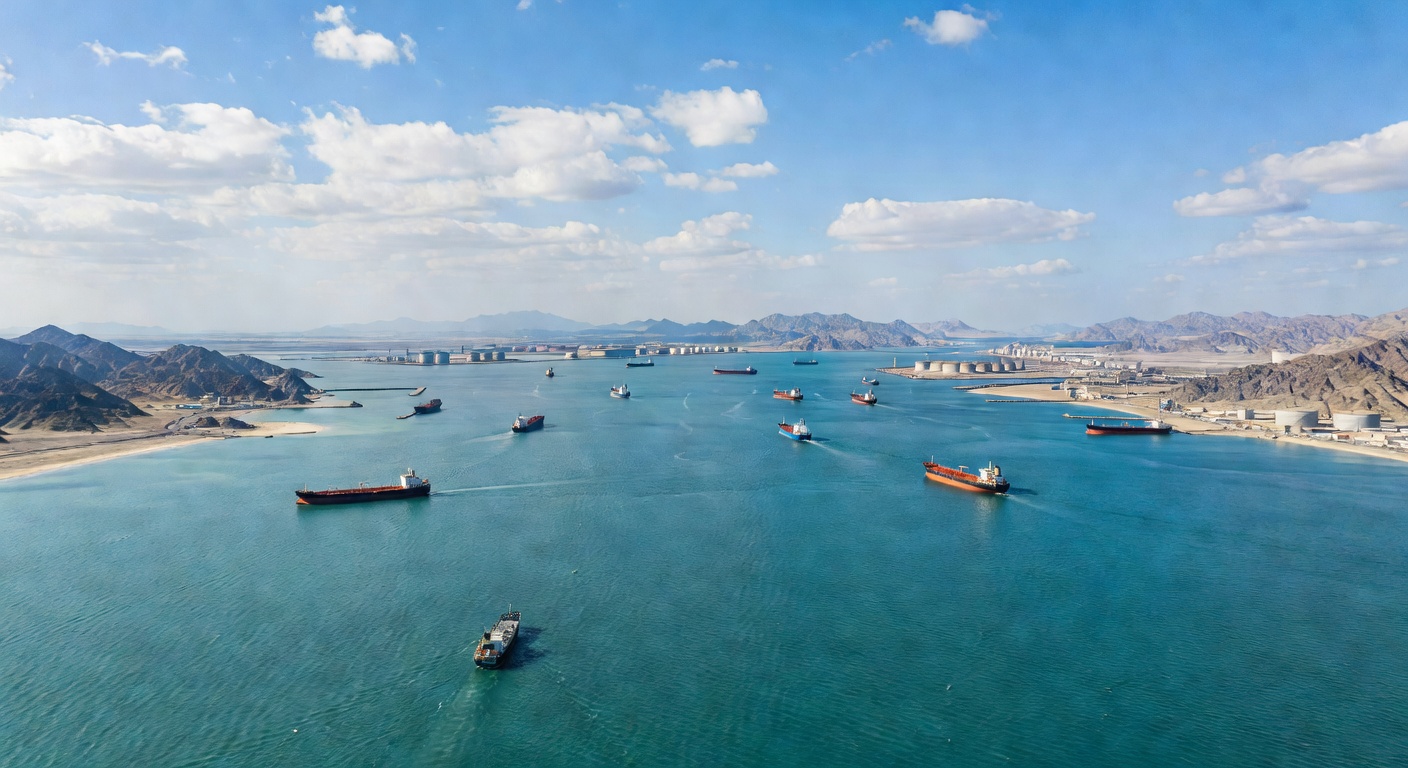
    Iranian strikes targeted the United Arab Emirates and Oman on Monday as the United States attempted to reopen the Strait of Hormuz using naval assets under President Donald Trump’s Project Freedom initiative. The moves provoked the biggest escalation since a ceasefire was declared four weeks ago. Attacks included a fire at the Fujairah oil port and injuries in both Gulf states.

    The United Arab Emirates reported that Iranian drones struck an empty ADNOC tanker attempting to cross the Strait of Hormuz. Air defense systems engaged 12 ballistic missiles, three cruise missiles and four drones fired from Iran. A large fire broke out at the Fujairah oil port, injuring three Indian nationals. Emirati officials described the assaults as a serious escalation and ordered schools to shift to remote learning for the remainder of the week.

    In Oman, a residential building for company employees in the Tibat area of Bukha along the Strait of Hormuz coastline was hit. The strike injured two expatriate workers with moderate wounds, damaged four vehicles and shattered glass in a nearby house. The Oman News Agency reported the details without assigning responsibility for the attack near Emirati territory. This incident extended the reach of violence beyond the maritime channel itself.

    Kuwait strongly condemned the Iranian drone attack on the UAE tanker. The foreign ministry called it a direct threat to maritime security and international shipping routes while expressing full support for the UAE’s right to protect its security and interests. It warned that targeting commercial vessels violates international law and freedom of navigation, risking broader instability across regional and global supply lines.

    The US military said it destroyed seven Iranian fast boats that were threatening civilian shipping in the strait. Trump announced the mission on social media, stating the US would guide ships safely through the restricted waterways so they could freely conduct business. Admiral Brad Cooper strongly advised Iranian forces to avoid US military assets involved in the operation. A US-flagged Maersk vessel successfully transited the strait under naval protection without incident.

    Iran fired warning shots at a US warship approaching the area and released a map claiming expanded control over waters reaching UAE coastlines. Iranian authorities denied any successful merchant ship crossings had occurred and warned that foreign armed forces entering the strait would face attacks. Officials maintained that security of the Strait of Hormuz rests with Iran and requires coordination with its armed forces for safe passage.

    The Strait of Hormuz carries about one fifth of global oil and liquefied natural gas. It has remained largely blocked since air strikes on Iran in February, stranding thousands of seafarers and vessels. Oil prices climbed above 115 dollars per barrel following the latest violence. Several regional states and European leaders urged de-escalation and a return to negotiations to restore safe navigation.

    Sources:
    — https://kuwaittimes.com/article/43232/kuwait/other-news/iran-hits-uae-oman-as-hormuz-simmers/
    — https://www.bbc.com/news/articles/cjwp432d0v5o
    — https://www.nytimes.com/live/2026/05/04/world/iran-hormuz-ships-navy
    — https://www.npr.org/2026/05/04/nx-s1-5810508/iran-war-updates