US President Donald Trump revealed in a Truth Social post on Saturday that he called off a planned military strike against Iran after receiving requests from Tehran and several Middle Eastern countries to pause operations and negotiate. The United States had been prepared for action at force levels not seen since World War II, according to the president’s account reported by Arab Times. Trump stated that Israel supported the decision to hold off while both sides work toward finalizing an agreement, and he urged rapid progress to secure a lasting deal.
The framework centers on the immediate and complete reopening of the Strait of Hormuz along with measures to eliminate Iran’s nuclear threat, Trump detailed in the post. «Based on this request, I have agreed, for the future benefit of the world and the survival of a successful and prosperous Iran, to cancel the attack, subject to being able to rapidly make a deal,» he wrote. The announcement arrives as diplomats build on earlier rounds of indirect talks that began in April 2025 with Oman acting as intermediary, a process documented in US Congressional Research Service assessments.
Those negotiations have addressed verification mechanisms, Iran’s stockpile of enriched uranium and the scope of future enrichment activities, according to summaries from the Council on Foreign Relations. Iran has enriched uranium to levels approaching weapons grade and expanded its stockpile since the collapse of prior agreements, data from the International Atomic Energy Agency indicates. A new framework could extend breakout timelines that have shrunk to mere weeks under current conditions.
Trump’s first administration withdrew the United States from the 2015 Joint Comprehensive Plan of Action in 2018, reinstating broad sanctions that prompted Iran to resume advanced nuclear work, the Council on Foreign Relations backgrounder shows. Subsequent diplomatic efforts under different administrations failed to restore the original terms, setting the stage for the current direct engagement between the second Trump administration and Iranian officials. The latest pause in military planning offers a narrow window to resolve outstanding differences before escalation resumes.
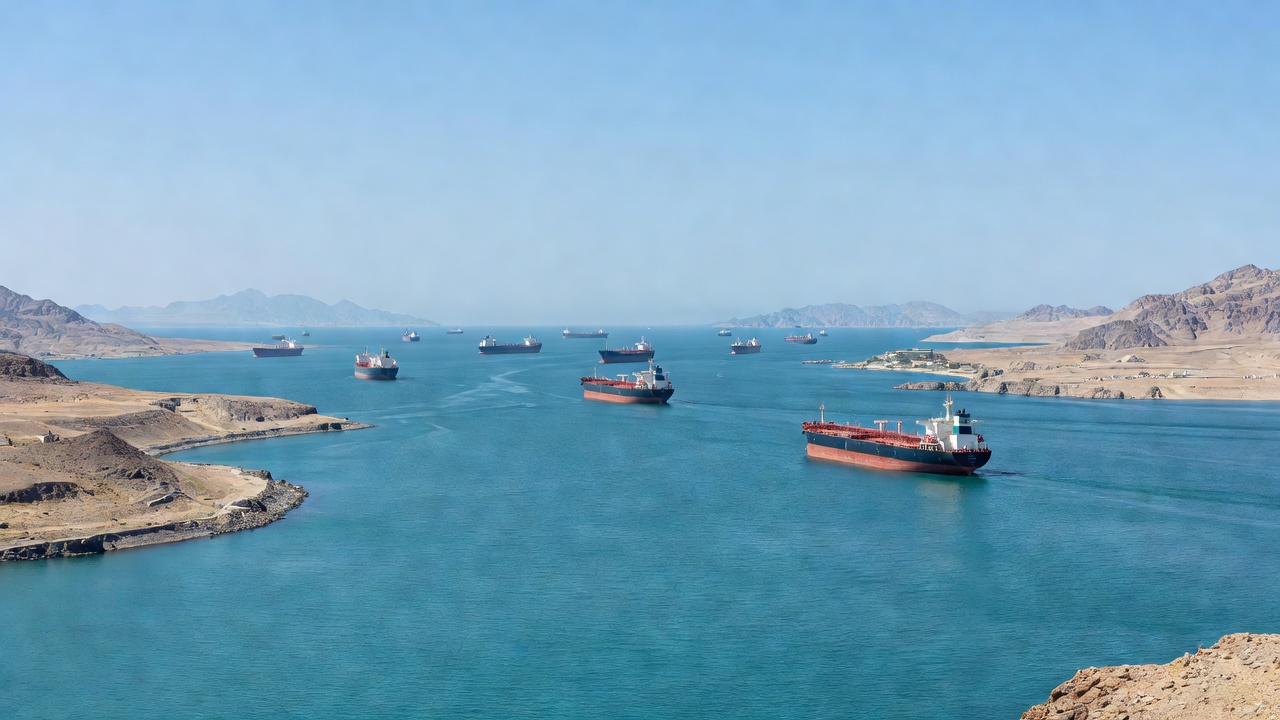
The Strait of Hormuz remains a focal point because roughly one-fifth of global seaborne oil trade transits the waterway each day, according to US Energy Information Administration statistics. Any closure or disruption would send energy prices soaring and threaten supply chains stretching from the Gulf to Asia and Europe. Trump’s emphasis on its immediate reopening reflects long-standing concerns over freedom of navigation that have prompted previous US and allied naval operations in the area.
Iran has not yet confirmed the reported framework or issued any public response to Trump’s statement, Arab Times reported. Regional analysts are monitoring Tehran’s reaction closely given the history of stalled talks and mutual distrust built up over more than a decade. The development follows months of back-channel discussions that appeared to gain momentum only after explicit threats of renewed military pressure from Washington.
Добавить комментарий