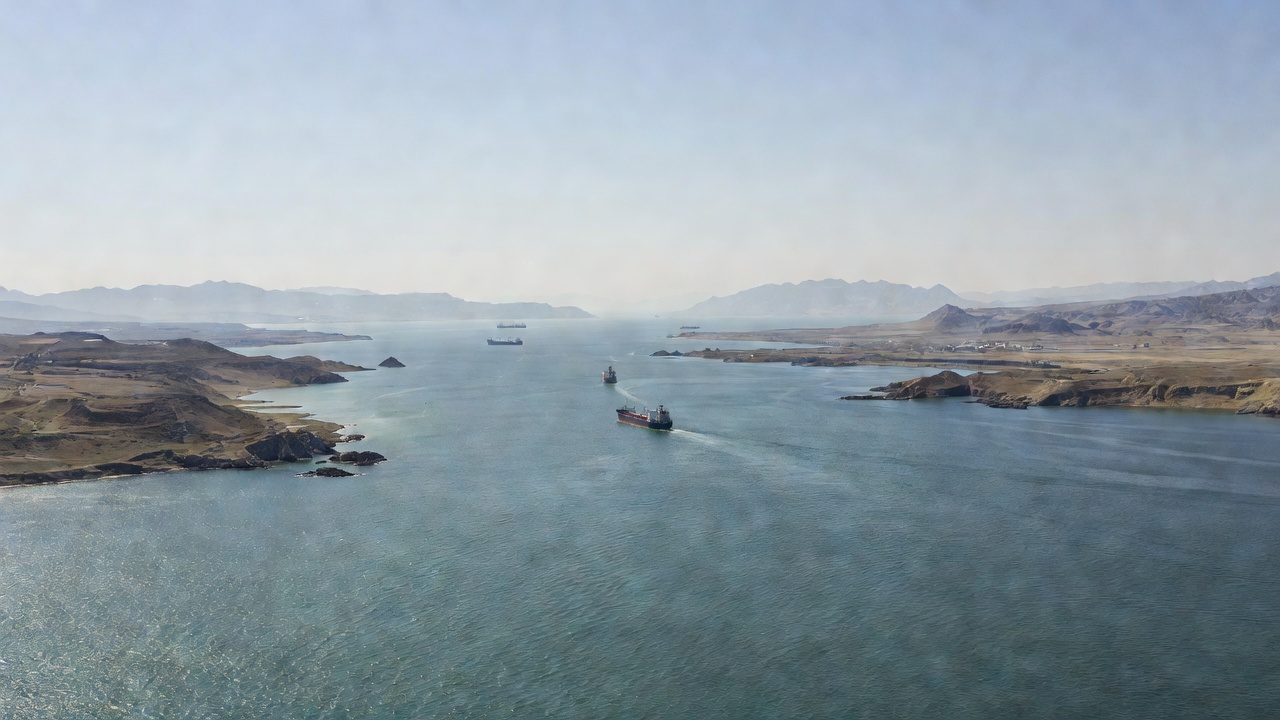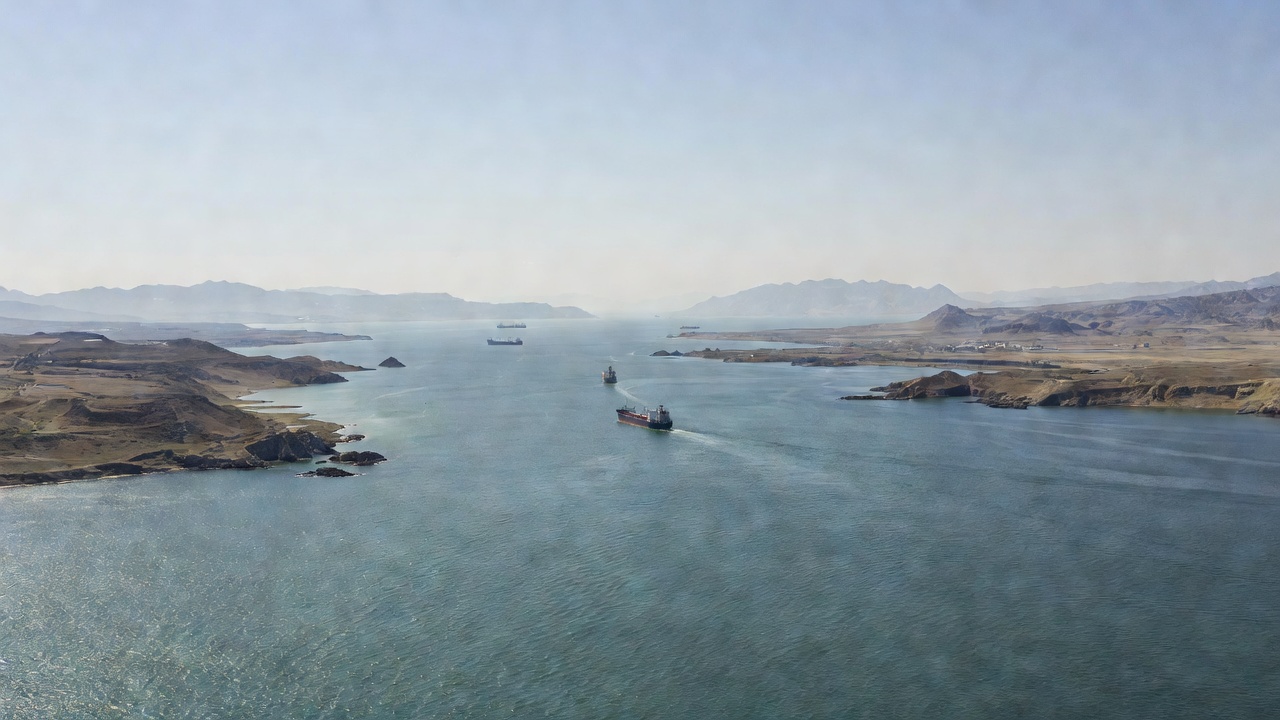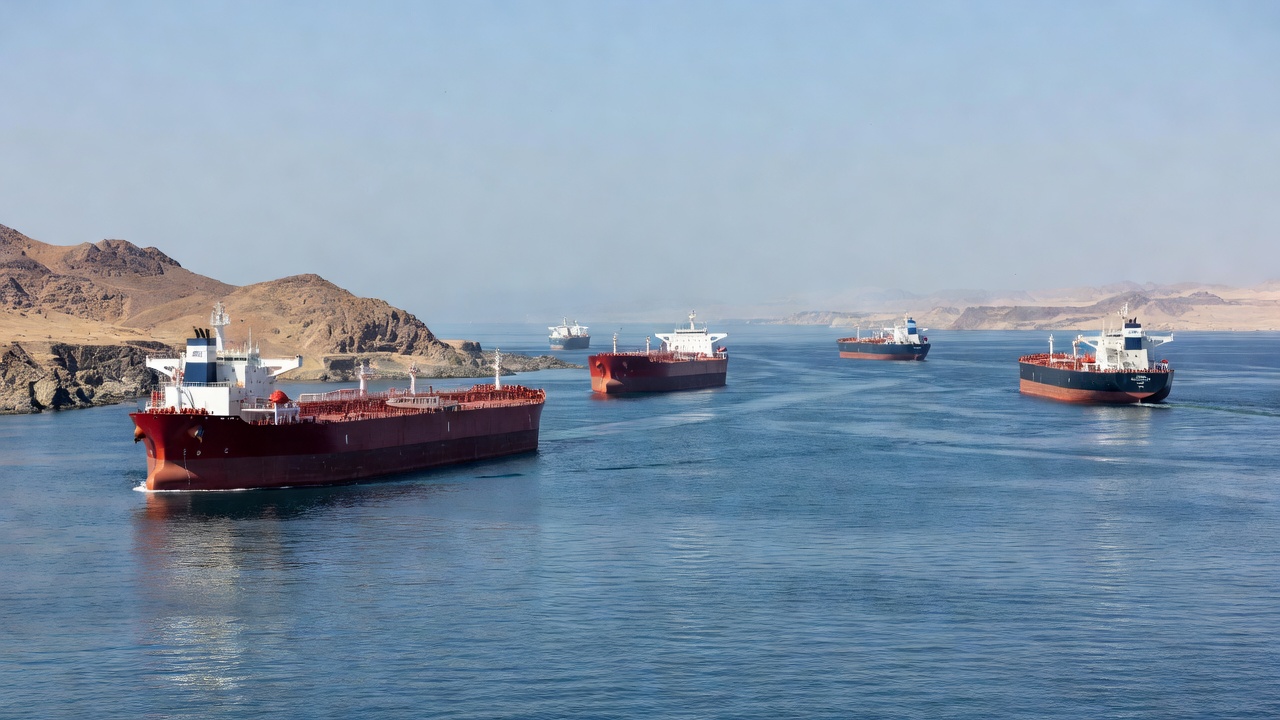
A Bloomberg report cited by Arab Times outlined how supertankers carrying non-Iranian crude have doubled down on dark transit tactics through the Strait of Hormuz since the regional conflict began in late February. Vessels turn off their Automatic Identification System signals for extended periods while US military assets provide protection and guidance along the Omani coast. The operations often occur after dark with lights dimmed and radio silence enforced among crews.
Energy Secretary Chris Wright told CNBC on Wednesday that more than 17 million barrels of oil moved through the strait the previous Monday in a wartime record. Wright said the total exceeded some independent tracking estimates because those rely primarily on visible AIS signals that many vessels no longer transmit. The US government maintains it possesses the most accurate data through direct military oversight of the protected corridor.
International Energy Agency figures show that nearly 20 million barrels per day of crude oil and products passed through the waterway in 2025 before the conflict. The volume represented about one quarter of global seaborne oil trade with the bulk destined for Asian markets including China, India and Japan. Limited bypass pipelines in Saudi Arabia and the UAE can only accommodate between 3.5 million and 5.5 million barrels per day of the total flow.
Interior Secretary Doug Burgum stated in June that US ships had escorted more than 20 tankers on some nights after mines were cleared from the route. With certain ultra-large crude carriers capable of holding 2 million barrels each the nightly passages have moved substantial volumes out of the Persian Gulf. President Trump referenced one such nighttime operation that extracted 22 vessels without lights or active radar detection.
Reuters reported that participating tankers must follow designated waypoints with departures staggered 3,000 to 4,000 meters apart under full US military control. Operators undergo a compliance review before allocation of transit windows through the southern portion of the strait closer to Oman. Maritime sources have highlighted increased collision risks during these dark passages due to absent tracking data and reduced visibility at speed.
Vortexa Ltd. data placed outbound flows at a minimum of 1.8 million barrels per day during the first 10 days of June as the tactics gained traction. TankerTrackers.com has identified clusters of up to 16 vessels conducting ship-to-ship transfers in the Gulf of Oman using satellite imagery after dark transits. Kpler analysts have separately tracked how the percentage of dark activity has fluctuated between 35 percent and 60 percent of total movements depending on threat levels.