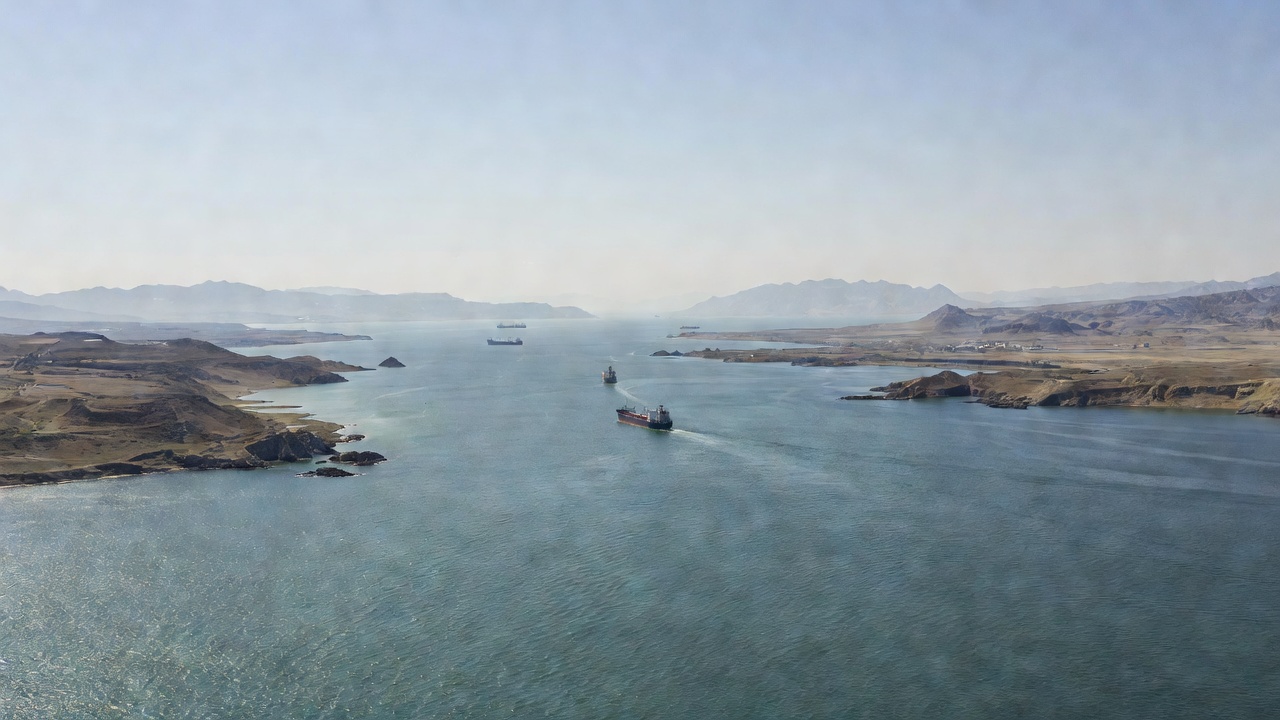
The Arab Times reported that only five commodity vessels transited the Strait of Hormuz on Monday according to preliminary tracking data. This figure stayed broadly unchanged from the weekend and fell well below the 10-day average of around 14 vessels tracked by Kpler using transponders and satellite information. Four vessels entered the strait while one exited with no liquid tankers recorded among the transits. Reuters contributed to the breakdown of the movements.
According to the Arab Times one of the entering vessels was an empty handy-sized gas tanker that followed the Iranian route while the three others were laden dry bulk carriers. The published figures do not account for vessels that passed through with transponders switched off. As a result the actual number of transits could be higher than the visible count.
IEA data for 2025 shows that nearly 20 million barrels per day of crude oil and oil products moved through the Strait of Hormuz.[[1]](https://www.iea.org/about/oil-security-and-emergency-response/strait-of-hormuz) This flow accounted for about 34 percent of global crude oil trade with the bulk heading to Asian markets such as China and India. IEA figures place combined crude and product exports at roughly 19.9 million barrels per day across Gulf producers including Saudi Arabia Iraq and the UAE.
Reuters reporting on the effects of the 2026 U.S.-Israeli conflict with Iran indicated that pre-conflict daily vessel crossings averaged around 70 for crude fuels LNG and other products.[[2]](https://www.reuters.com/commentary/reuters-open-interest/key-energy-shipping-trends-after-three-months-iran-turmoil-2026-05-28/) Average total daily transits have since dropped by as much as 88 percent to fewer than seven vessels a day in some periods. Kpler analysis cited in related coverage showed crude shipments falling sharply with visible commercial traffic at historic lows.
IMF PortWatch data placed daily transit calls at three to seven vessels in late August 2026 with seven-day moving averages around five.[[3]](https://en.macromicro.me/charts/94482/imf-strait-of-hormuz-number-of-ships-and-transit-volume) Corresponding trade volumes averaged under 200,000 metric tons daily during that period. The sustained reduction has cut Middle East crude exports by nearly half from 2025 baselines according to Al Jazeera analysis of Kpler and Vortexa tracking.
The IEA assessment found that alternative export routes through Saudi Arabia and the UAE offer between 3.5 and 5.5 million barrels per day of bypass capacity for crude.[[1]](https://www.iea.org/about/oil-security-and-emergency-response/strait-of-hormuz) This remains only a fraction of normal strait volumes and does not cover all product or LNG flows. Tracking firms continue to monitor dark transits and route preferences as operators adjust to the environment.
Добавить комментарий