Рубрика: Kuwait

  • Public Authority for Food and Nutrition Destroys 173kg of Unfit Food in Farwaniya Warehouse Inspections

    Public Authority for Food and Nutrition Destroys 173kg of Unfit Food in Farwaniya Warehouse Inspections

    The Public Authority for Food and Nutrition carried out an inspection campaign targeting food warehouses in Farwaniya Governorate. The operation conducted on Monday uncovered multiple breaches of health regulations at several sites. Five violation reports were issued as a direct result of the findings. Officials additionally prepared a destruction order for 173 kilograms of food deemed unfit for human consumption and the products were eliminated in line with legal standards.

    Arab Times detailed the campaign in its coverage published the same day. Similar initiatives have taken place frequently in recent weeks across Kuwait. Times Kuwait reported that an inspection in Farwaniya on July 31 led to the destruction of 195.2 kilograms of meat due to safety violations. In a separate July action in Khaitan the authority issued 11 violation reports and destroyed 55 kilograms of rotten food.

    One extensive campaign by the Public Authority for Food and Nutrition involved checks at 192 establishments. That sweep resulted in 27 violations recorded and more than 36,540 kilograms of unfit food destroyed according to authority figures. Additional pledges and complaints were also filed during the process. These statistics demonstrate the significant quantities of compromised products that routine monitoring can identify and remove from the market.

    World Health Organization data shows that unsafe food leads to an estimated 866 million cases of foodborne illnesses annually. The WHO assessment found that these incidents cause around 1.52 million deaths each year worldwide. Children under the age of five bear a particularly heavy share of the burden. The organization has stressed that the problem is most acute in low and middle income countries where regulatory systems may face greater challenges.

    Research on food safety in the Gulf region has identified several persistent issues. A 2016 review in Food Control noted that Kuwait rarely shares detailed surveillance data on foodborne diseases with global repositories. Earlier studies have linked a large percentage of outbreaks to traditional or homemade food preparations. Local authorities have responded by expanding the scope and frequency of warehouse and establishment inspections throughout the year.

    The Public Authority for Food and Nutrition has conducted multiple such campaigns across Kuwait in 2026. Farwaniya Governorate has featured prominently among them as a key area for food storage and distribution. Inspectors typically examine storage conditions product labeling and hygiene standards during each visit.
  • المستهلكون الكويتيون يصعدون حملة مقاطعة الأسماك احتجاجاً على ارتفاع أسعارها

    المستهلكون الكويتيون يصعدون حملة مقاطعة الأسماك احتجاجاً على ارتفاع أسعارها

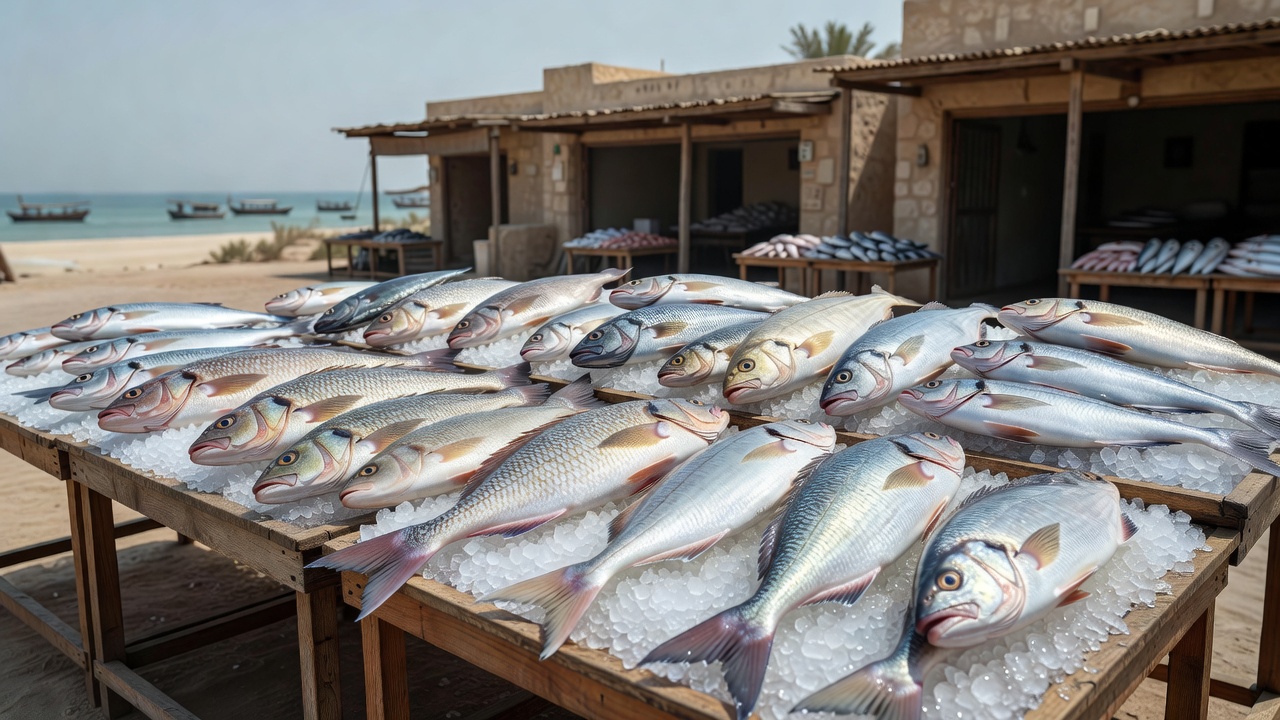
    ذكرت جريدة «عرب تايمز» أن ارتفاع أسعار الأسماك في أسواق الكويت أثار مطالب مستهلكين متزايدة بتنظيم حملة مقاطعة منسقة بهدف الضغط على التجار. ويروج المؤيدون للامتناع عن الشراء حتى يفسد المخزون غير المباع، في خطوة تهدف إلى ثني المضاربين عن الممارسات ورفع الأسعار دون مبرر. وتعكس الحملة عدم الرضا عن النتائج القليلة التي حققتها الوزارات الحكومية واتحاد الصيادين الكويتيين في مواجهة هذه التشوهات في السوق. ويعتقد المشاركون أن تعزيز الوعي العام مع استمرار الجهود الجماعية يمكن أن يساهم في إعادة التوازن بين العرض والطلب.

    وقد حققت حملات مستهلكين مماثلة في السابق نجاحاً في خفض أسعار الأسماك بالكويت. وسجلت «أريبيان بزنس» أن حملة المقاطعة عام 2015 أدت إلى انخفاض الأسعار التجزئية للأنواع الشائعة بما في ذلك ما يطلق عليه البائعون «ملك الأسماك». وأوضحت «فود نافيجيتور» أن الاحتجاج السابق حصل على تأييد رسمي وأسفر عن تراجع ملحوظ في الأسعار السوقية خلال أيام قليلة من بدئه.

    وسجلت بيانات الهيئة المركزية للإحصاء نمواً متواصلاً في متوسط أسعار الأسماك للكيلوغرام الواحد على امتداد سنوات عديدة. وربط تقييم نشرته «فرونتيرز إن ساستينابيليتي» الزيادات الحاصلة بين عامي 2006 و2019 بنقص الإمدادات الناتج عن التلوث البحري والإفراط في الصيد وارتفاع النفقات التشغيلية. وقد فاقمت هذه الاتجاهات طويلة الأمد الضغوط على ميزانيات الأسر المعيشية وأججت موجة السخط الحالية.

    وزادت النزاعات الجيوسياسية في منطقة الشرق الأوسط من حالة عدم الاستقرار في إمدادات الأسماك بالكويت خلال هذا العام. وأفادت «سي إن إن» في مارس 2026 بأن التوترات الإقليمية أثرت على عمليات السوق المحلية وساهمت في تقلب توافر المنتجات في نقاط البيع. وأضاف هذا التأثير الاقتصادي بعداً إضافياً للتحديات المحلية المتعلقة باستقرار أسعار الأسماك.

    ويقدر موقع «وورلد بوبيوليشن ريفيو» استهلاك الفرد من الأسماك في الكويت بحوالي 13 كيلوغراما سنوياً. وتتراوح الكميات المستوردة يومياً بين 5 و40 طنا لاستكمال الإنتاج المحلي وتغطية معظم الطلب، بحسب التحديثات المتعلقة بقطاع الصيد. وقام اتحاد الصيادين الكويتي في مرات سابقة بترتيب استيراد وتوزيع كميات من الأسماك لتخفيف حدة النقص المؤقت.

    وتوقعت «موردور إنتيليجنس» أن ينمو سوق تربية الأحياء المائية في الكويت من 265.6 مليون دولار في 2026 إلى 357.47 مليون دولار بحلول 2031، بنسبة نمو سنوية مركبة تبلغ 6.12%. ويهدف هذا النمو إلى تعزيز الإنتاج الداخلي وتقليل الاعتماد على الواردات في ظل الطلب الاستهلاكي الدائم. وتمثل مبادرة المقاطعة الجارية رد فعل فوري ضد مستويات الأسعار التي تتجاوز قدرة الكثير من الأسر.

  • Kuwait Consumers Intensify Boycott Drive Against Escalating Fish Costs

    Kuwait Consumers Intensify Boycott Drive Against Escalating Fish Costs

    Arab Times reported that rising fish prices across Kuwait markets have triggered expanding consumer demands for a coordinated boycott aimed at pressuring traders. Supporters promote refraining from purchases so that unsold stock effectively spoils, a tactic intended to discourage speculation and unjustified markups. The campaign expresses dissatisfaction with the minimal results achieved by government ministries and the Kuwaiti Fishermen’s Union in tackling these market distortions. Participants argue that greater public awareness combined with sustained collective action can help rebalance supply and demand dynamics.

    Comparable consumer campaigns have previously succeeded in lowering fish prices in Kuwait. Arabian Business documented a 2015 boycott that reduced retail costs for popular species including what vendors term the king of fish. Food Navigator noted that the earlier protest secured backing from officials and produced measurable declines in market rates within days of its launch.

    Central Statistical Bureau figures have recorded sustained growth in average fish prices per kilogram over multiple years. A Frontiers in Sustainability assessment linked the increases from 2006 through 2019 to supply constraints stemming from marine pollution, overfishing and rising operational expenses. These long-term patterns have intensified pressures on household budgets and fueled the latest wave of discontent.

    Geopolitical conflicts in the Middle East have compounded volatility in Kuwait’s fish supplies this year. CNN reported in March 2026 that regional tensions disrupted local market operations and contributed to unpredictable availability at retail outlets. The resulting economic effects have added another layer to existing domestic challenges in stabilizing seafood costs.

    World Population Review data places Kuwait’s per capita fish consumption at roughly 13 kilograms per year. Daily imports ranging between five and 40 tons supplement local production to fulfill the majority of demand, according to updates connected to the fishermen’s sector. The Kuwaiti Fishermen’s Union has on prior occasions arranged imports and releases of fish stocks to ease temporary shortages.

    Mordor Intelligence assessed that Kuwait’s aquaculture market will rise from 265.6 million dollars in 2026 to 357.47 million dollars by 2031, reflecting a 6.12 percent compound annual growth rate. The expansion seeks to strengthen domestic output and reduce reliance on external sources amid persistent consumer requirements. The ongoing boycott initiative illustrates immediate pushback against price levels that continue to exceed many household thresholds.

  • الكويت تجدد تأكيد تضامنها مع السعودية عقب إدانة مجلس الأمن لهجمات الحوثيين

    الكويت تجدد تأكيد تضامنها مع السعودية عقب إدانة مجلس الأمن لهجمات الحوثيين

    أصدرت وزارة الخارجية ردّها بعد يومين من إصدار أعضاء مجلس الأمن بيانهم المشترك. وعبرت عن تقديرها لتأكيد المجلس على الالتزام بالقانون الدولي والقرارات بما في ذلك القرار 2216. ورفضت الكويت أي تحركات قد تهدد الأمن الإقليمي أو حرية الملاحة البحرية في البيان الذي نشرته «عرب تايمز». وأكدت الوزارة تضامنها الكامل مع السعودية ودعمها للخطوات المتخذة للدفاع عن سيادة المملكة وأمنها.

    وبحسب ما ورد في تحرك المجلس يوم 7 أغسطس، أدان الأعضاء الهجمات الصاروخية التي شنها الحوثيون على السعودية والتي بدأت في 13 يوليو، إلى جانب الضربات على السفن التجارية منذ 22 يوليو. وتطرق البيان أيضاً إلى عمليات هبوط الطائرات غير المصرح بها في مطار صنعاء الدولي ومطار الحديدة. وأفادت «عرب نيوز» بأن مثل هذه الحوادث تعرض جهود السلام في اليمن للخطر وتزعزع استقرار المنطقة الأوسع. وحث أعضاء المجلس على وقف فوري لأي تصعيد إضافي قد يعقد الوضع.

    ويتطلب القرار 2216 الذي اعتمد في أبريل 2015 من الحوثيين الانسحاب من جميع المناطق التي سيطروا عليها خلال النزاع وإعادة الأسلحة المأخوذة من المؤسسات الرسمية. كما يطالب الجماعة بالكف عن الأعمال أحادية الجانب التي تختص بها الحكومة اليمنية الشرعية. وفرض الإجراء عقوبات مستهدفة على من يعرقلون العملية السياسية وفق سجلات الأمم المتحدة. وصوت 14 عضواً من أعضاء المجلس لصالحه فيما امتنعت روسيا عن التصويت.

    ظلت الكويت تدعو منذ فترة طويلة إلى حل تفاوضي للنزاع في اليمن، وقد استضافت محادثات سلام برعاية الأمم المتحدة في مدينة الكويت عام 2016. وأوضحت منشورات لمعهد الشرق الأوسط أن تلك المفاوضات توقفت بسبب خلافات أساسية بين الأطراف المتحاربة. ورغم انضمام الكويت في البداية إلى التحالف الذي تقوده السعودية بمشاركة محدودة من الطائرات المقاتلة، إلا أنها ركزت منذ ذلك على المبادرات الدبلوماسية أكثر من التوسع في المشاركة العسكرية.

    وأعاد البيان الكويتي الأخير التأكيد على الدعم الصريح للحكومة اليمنية المعترف بها دولياً، معبراً عن استمرار الدعم لمبعوث الأمين العام للأمم المتحدة الخاص والمبادرات المرتبطة به لاستعادة السلام والاستقرار. ويأتي هذا الموقف متسقاً مع نمط الدبلوماسية الكويتية الرامية إلى تعزيز المؤسسات الشرعية وتشجيع الحوار بين الفصائل اليمنية.

    اندلعت الحرب الأهلية في اليمن عام 2014 وسيطر خلالها الحوثيون على مساحات واسعة من الأراضي بما فيها العاصمة. وتدخل تحالف تقوده السعودية عام 2015 بناء على طلب الحكومة المعترف بها لمواجهة تقدم المتمردين وفقاً لمتابعة «مجلس العلاقات الخارجية» للنزاعات العالمية. وأدت هجمات الحوثيين على الشحن إلى تعطيل خطير لتدفقات التجارة العالمية عبر الممرات البحرية الرئيسية في بعض الأحيان مما فاقم التحديات الإنسانية في المنطقة.

    وأصدرت قطر ترحيباً موازياً بموقف مجلس الأمن الدولي في بيان صدر في اليوم ذاته الذي أصدرت فيه الكويت بيانها. كما أعرب شركاء إقليميون آخرون عن تأييدهم الكامل للإجراءات الأمنية السعودية رداً على أفعال الحوثيين. وتظهر الردود الدبلوماسية الجماعية مدى القلق المشترك إزاء التهديدات التي تطال الاستقرار في شبه الجزيرة العربية وما وراءها.

  • Kuwait Reaffirms Solidarity With Saudi Arabia Following UNSC Rebuke of Houthi Strikes

    Kuwait Reaffirms Solidarity With Saudi Arabia Following UNSC Rebuke of Houthi Strikes

    The Ministry of Foreign Affairs issued its response two days after the Security Council members issued their joint statement. It voiced appreciation for the council’s emphasis on compliance with international law and resolutions including Resolution 2216. Kuwait rejected any moves that could threaten regional security or the freedom of maritime navigation in the statement carried by Arab Times. The ministry reaffirmed its complete solidarity with Saudi Arabia and its support for steps taken to defend Saudi sovereignty and security.

    According to accounts of the August 7 council action members condemned Houthi missile attacks on Saudi Arabia that began on July 13 and strikes against commercial vessels launched since July 22.[[1]](https://www.arabnews.com/node/2653840/middle-east) The statement further addressed unauthorized aircraft landings at Sana’a International Airport and Hodeidah Airport. Such incidents risk undermining peace efforts in Yemen and destabilising the wider region Arab News reported. Council members urged an immediate halt to further escalation that could complicate the situation.

    Resolution 2216 adopted in April 2015 requires the Houthis to withdraw from all areas they seized during the conflict and to return weapons taken from state institutions. It also demands that the group cease unilateral actions reserved for the legitimate Yemeni government. The measure imposed targeted sanctions on those obstructing the political process according to United Nations records. Fourteen council members voted in favour while Russia abstained from the resolution.

    Kuwait has long pushed for a negotiated end to the Yemen conflict having hosted UN sponsored peace talks in Kuwait City during 2016. Those negotiations stalled over core disagreements between the warring parties a Middle East Institute publication noted. Although Kuwait joined the Saudi led coalition at its start with a limited contingent of fighter jets it has since prioritised diplomatic initiatives over expanded military involvement.

    The latest Kuwaiti statement renewed explicit support for Yemen’s internationally recognised government. It expressed continued backing for the UN Secretary General’s Special Envoy and associated initiatives aimed at restoring peace and stability. This stance fits a pattern of Kuwaiti diplomacy that seeks to reinforce legitimate institutions and encourage dialogue among Yemeni factions.

    The Yemen civil war that erupted in 2014 has seen the Houthis take control of large swathes of territory including the capital. A Saudi led coalition intervened in 2015 at the request of the recognised government to counter the rebel advance according to the Council on Foreign Relations global conflict tracker. Houthi attacks on shipping have at times severely disrupted global trade flows through key maritime routes exacerbating humanitarian challenges across the region.

    Qatar issued a parallel welcome to the UN Security Council position in a statement released on the same day as Kuwait’s. Other regional partners have similarly expressed full support for Saudi security measures in response to the Houthi actions. The collective diplomatic responses highlight shared concerns over threats to stability in the Arabian Peninsula and beyond.

  • أصحاب العقارات الخاصة في الكويت يحصلون على خيار حذف المقيمين إلكترونياً عبر تطبيق «سهل»

    أصحاب العقارات الخاصة في الكويت يحصلون على خيار حذف المقيمين إلكترونياً عبر تطبيق «سهل»

    أعلنت الهيئة العامة للمعلومات المدنية أن خدمة حذف المقيمين باتت متاحة اعتباراً من 29 ديسمبر 2025 عبر تطبيق «سهل» الحكومي لأصحاب العقارات الخاصة. وأوضحت الهيئة أن على المستخدمين تفعيل خاصية التسجيل المسبق لبيانات المقيمين أولاً قبل أن يتمكنوا من حذف الأفراد المدرجين على عقاراتهم. وقصرت الهيئة الإطلاق الأولي للخدمة على مالكي الوحدات السكنية الخاصة في انتظار تقييم إمكانية توسيع نطاقها.

    وقالت الهيئة في بيان إن طرح أداة حذف الكيان يعكس مواصلة توسيع خدماتها الرقمية عبر مختلف المنصات. وأضافت أن هذه الخاصية ترفع الكفاءة بتقليل الحاجة إلى الزيارات الميدانية لتحديث السجلات المدنية. وأشارت صحيفة «عرب تايمز» إلى أن الخدمة تسمح بالإلغاء الإلكتروني للتسجيلات المدنية المرتبطة بشقق محددة.

    وتشير بيانات الهيئة العامة للمعلومات المدنية إلى أن عدد المغتربين في الكويت يبلغ نحو 3.3 مليون نسمة، وهو رقم يرفع حجم بيانات الإقامة التي تحتاج تحديثاً منتظماً. وتعالج الخدمة الجديدة جزءاً من هذا العبء إذ تتيح لأصحاب العقارات إدارة سجلات المستأجرين مباشرة. وذكرت «تايمز الكويت» في 29 ديسمبر 2025 أن الهيئة قدمت الإطلاق على أنه جزء من جهود تحسين الدقة في قواعد البيانات الحكومية.

    وأضافت مبادرة أخرى للهيئة في مايو 2026 وظيفة جديدة على التطبيق نفسه «سهل» لربط بطاقات الهوية المدنية للمعالين، بحسب تقرير «ليكسيس ميدل إيست». وأصدرت الهيئة عدة تحديثات منذ أواخر 2025 تعزز قدرات حذف المقيمين. وتظهر بيانات الهيئة أن أكثر من 960 ألف شخص اعتمدوا خدمات الهوية المدنية الرقمية المرتبطة عبر المنصات المتنقلة.

    ولاحظ تقييم أجراه «بي دبليو سي الشرق الأوسط» لجهود التحول الرقمي في مجلس التعاون الخليجي أن تحديث الإقامة والهوية المدنية في الكويت يمثل مسار عمل نشطاً ضمن الدول الأعضاء. وأبرزت الشركة الاستشارية انخفاض حركة المراجعين كأحد النتائج الملموسة لهذه التطبيقات. ويعد تطبيق «سهل» الواجهة الرئيسية لمعاملات الهيئة هذه.

    وأشارت الهيئة العامة للمعلومات المدنية في تصريحات سابقة إلى أن آراء المستخدمين تساعد في اختيار الخدمات الإضافية التي تضاف إلى المنصة. ويحصل أصحاب العقارات الذين يستخدمون خاصية حذف المقيم على تأكيد فور اكتمال عملية الإزالة في السجل المدني. ولم تنشر الهيئة إحصاءات الاستخدام الخاصة بالخدمة التي أطلقت في ديسمبر 2025.

  • Kuwait Property Owners Gain Electronic Resident Deletion Option on Sahel App

    Kuwait Property Owners Gain Electronic Resident Deletion Option on Sahel App

    According to the Public Authority for Civil Information, the resident removal service became available on December 29, 2025, through the Sahel government application for private property owners. The authority stated that users must first activate the pre-registration feature for resident data before they can delete individuals listed at their properties. PACI limited initial rollout of the service to owners of private housing units while it evaluates broader application.

    PACI said in an announcement that the introduction of the entity deletion tool reflects its continued expansion of digital services across platforms. The authority reported that the feature enhances efficiency by reducing requirements for physical visits to update civil records. Arab Times reported that the service enables electronic cancellation of civil registrations linked to specific apartments.

    Public Authority for Civil Information figures place Kuwait’s expatriate population at roughly 3.3 million, a scale that increases the volume of residency data requiring regular updates. The new service addresses one element of that workload by letting property owners manage tenant records directly. Times Kuwait reported on December 29, 2025, that PACI framed the launch as part of efforts to improve accuracy across government databases.

    A separate PACI initiative in May 2026 added functionality to the same Sahel app for linking civil IDs of dependents, according to Lexis Middle East reporting. The authority has issued multiple updates since late 2025 that build on the resident removal capability. PACI data shows more than 960,000 individuals have adopted related digital civil identification services through associated mobile platforms.

    A PwC Middle East assessment of GCC digital transformation efforts noted Kuwait’s residency and civil-ID modernisation as an active workstream within the bloc. The consultancy highlighted reductions in counter traffic as one measured outcome of such applications. The Sahel app functions as the primary interface for these PACI transactions.

    The Public Authority for Civil Information indicated in prior statements that user feedback helps determine which additional services join the platform. Property owners accessing the resident deletion feature receive confirmation once the removal processes in the civil registry. PACI has not published usage statistics for the specific service launched in December 2025.

  • وزارة الطاقة السعودية تعلن إخماد حريق في مصفاة أرامكو بجازان

    وزارة الطاقة السعودية تعلن إخماد حريق في مصفاة أرامكو بجازان

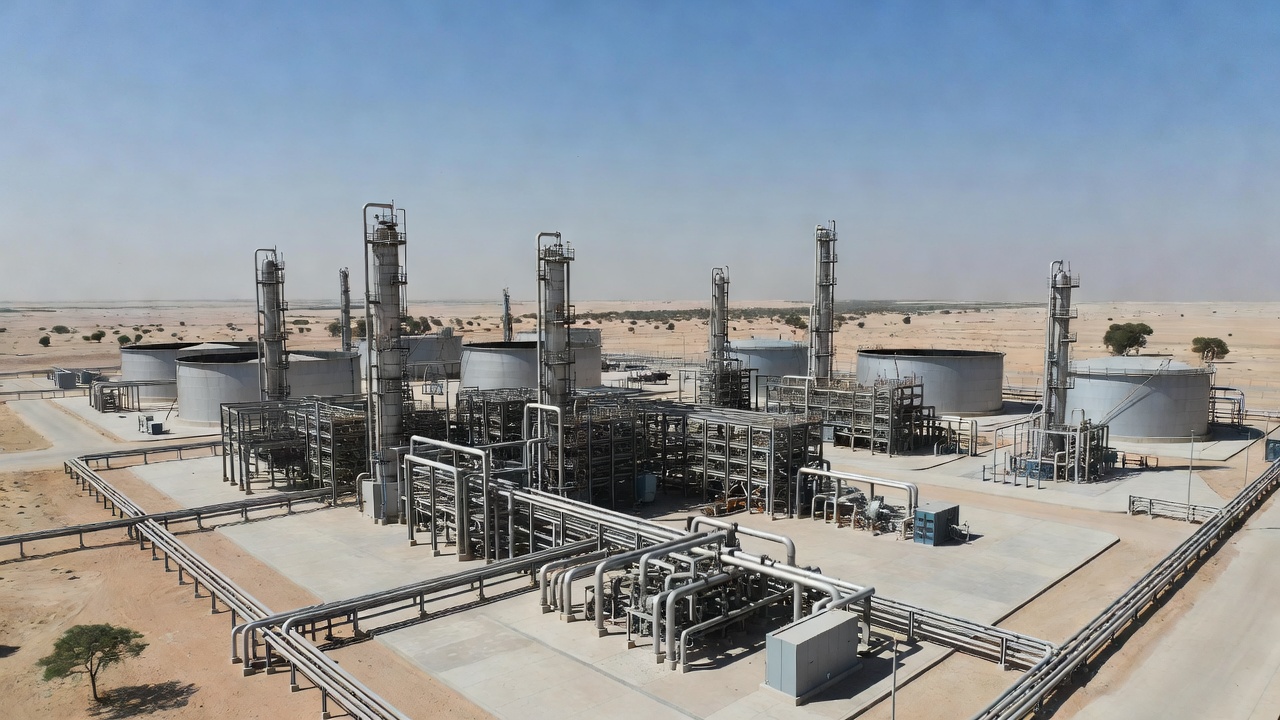
    أعلنت وزارة الطاقة السعودية أن حريقاً اندلع فجر الأحد في أحد مرافق مصفاة أرامكو السعودية بجازان قد تم إخماده. وقالت الوزارة إن فرق الإطفاء الصناعية في أرامكو سيطرت على الحريق دون أن يسفر عن أي إصابات. وأضافت أن الجهات المختصة تكمل الآن الإجراءات اللازمة المتعلقة بالحادث. ولم يتم الكشف عن سبب اندلاع الحريق أو الأضرار المحتملة التي نجمت عنه.

    وتبلغ قدرة مصفاة جازان على التكرير نحو 400,000 برميل يومياً، بحسب أرقام الوزارة. وتمثل هذه المنشأة واحدة من أحدث أصول التكرير داخل المملكة لدى أرامكو السعودية، وفق منصة رؤية 2030. وتقع المصفاة في مدينة جازان الاقتصادية، وقد صممت لمعالجة درجات الخام الثقيل مع دعم التنمية الاقتصادية للمنطقة. كما تبرز المنصة دورها في استراتيجية التوسع في قطاع التكرير بالمملكة.

    وكان تقرير صادر عن MEES في 31 يوليو 2026 قد أفاد بأن المصفاة تعرضت لهجوم بصاروخ وطائرة بدون طيار أطلقه الحوثيون في 25 يوليو، مما أدى إلى نشوب حريق في خزانات التخزين وإيقاف المصفاة لاحقاً. وأظهر التقييم أن الأضرار محدودة، وقد تعاود المنشأة التشغيل بحلول 15 أغسطس. كما ذكر موقع OilPrice.com أن توقف الإنتاج ساهم في تشديد أسواق الوقود بعد إخراج القدرة الكاملة البالغة 400,000 برميل يومياً عن الخدمة في ذلك الحين.

    وتواصل أرامكو السعودية تشغيل عدة مصافي تكرير كبيرة تعالج مجتمعة ملايين البراميل يومياً، وفق بيانات الشركة. ويضيف موقع جازان إلى هذه الشبكة من خلال التركيز على المنتجات الموجهة للأسواق المحلية والتصديرية على حد سواء. وقد أشارت المنشورات الصناعية إلى أهمية الحفاظ على هذه الأصول في ظل التقلبات في الطلب العالمي على الطاقة.

    ونشرت الوزارة تحديثها السريع حول حادث 9 أغسطس عبر حسابها على منصة «إكس»، في تكرار للأسلوب الذي اتبعته في الحدث السابق. وأكدت التقارير المختلفة عدم وقوع أي ضحايا في الحادثين. وما زالت التقييمات المتعلقة بالحريق الأخير جارية، على أن يتم الكشف عن نتائجها بعد الانتهاء منها.

  • Saudi Ministry Announces Fire Extinguished at Aramco Jazan Refinery

    Saudi Ministry Announces Fire Extinguished at Aramco Jazan Refinery

    The Saudi Energy Ministry reported that a fire which started early Sunday at a facility in Saudi Aramco’s Jazan refinery has been extinguished. Aramco’s industrial firefighting teams brought the blaze under control without any injuries occurring, according to the ministry. Competent authorities are now completing the necessary procedures for the incident, the statement added. The cause of the fire and any potential damage have not been disclosed.

    The Jazan refinery has a processing capacity of up to 400,000 barrels per day, the ministry figures show. This facility represents one of Saudi Aramco’s newest domestic refining assets, according to the Vision 2030 platform. It is located in the Jazan Economic City and was designed to process heavy crude grades while supporting regional economic development. The platform highlights its role in the kingdom’s downstream expansion strategy.

    A MEES report dated July 31, 2026 stated that the refinery was hit by a Houthi missile and drone strike on July 25, leading to a fire in storage tanks and a subsequent shutdown. The assessment found that damage was limited and the facility might restart by August 15. OilPrice.com reported that the outage had tightened fuel markets by taking the full 400,000 barrels per day capacity offline at the time.

    Saudi Aramco continues to operate multiple large-scale refineries that collectively process millions of barrels daily, company data shows. The Jazan site adds to this network by focusing on products for both domestic and export markets. Industry publications have noted the importance of maintaining such assets amid fluctuating global energy demands.

    The ministry’s swift update on the August 9 incident was distributed via its X account, mirroring the approach used for the earlier event. No casualties were associated with either occurrence, the respective reports confirmed. Assessments for the most recent fire are still underway with results to be released upon completion.

  • فيتش تحافظ على التصنيف السيادي للكويت عند «AA-» مستندة إلى احتياطياتها المالية القوية

    فيتش تحافظ على التصنيف السيادي للكويت عند «AA-» مستندة إلى احتياطياتها المالية القوية

    أكدت وكالة فيتش ريتنغز التصنيف الائتماني السيادي للكويت عند «AA-» مع نظرة مستقرة. وأشارت الوكالة إلى القوة المالية الكبيرة التي تتمتع بها الدولة إلى جانب موقعها الخارجي القوي كعوامل دعم أساسية. ومن المتوقع أن ترتفع نسبة صافي الأصول الأجنبية السيادية إلى الناتج المحلي الإجمالي في 2026 لتتجاوز 10 أضعاف المتوسط لنظراء التصنيف «AA» وفقاً للتقييم.

    وتتوقع الوكالة ارتفاع نسبة الدين العام إلى الناتج المحلي الإجمالي خلال السنوات المالية الثلاث المقبلة وحتى 2028/29 إلا أنها ستبقى أقل من متوسط فئة «AA» البالغ نحو 51.5 بالمئة في 2028. وحددت وكالة التصنيف أن التداعيات المحتملة لعدم الاستقرار الجيوسياسي الإقليمي على إنتاج النفط والنمو الاقتصادي العام ستكون قابلة للإدارة بفضل المخازن المالية للدولة. ويمثل المركز المالي السيادي القوي العنصر الرئيسي الداعم لهذا المستوى من التصنيف.

    وتتوقع فيتش تباطؤ نمو الناتج المحلي الإجمالي غير النفطي رغم أن الإنفاق على مشاريع البنية التحتية سيقدم بعض الدفع. ويتوقع أن يسجل التضخم ارتفاعاً طفيفاً في 2026 قبل أن يتراجع في 2027 بحسب توقعات الوكالة. ويجعل اعتماد الكويت الشديد على النفط اقتصادها عرضة للتغيرات في حجم الإنتاج المرتبطة بأحداث خارجية.

    ورحب بنك الكويت المركزي بقرار التصنيف وأشار إلى توقعات بنمو إيجابي في القطاع غير النفطي. وكانت وكالة إس أند بي غلوبال ريتنغز قد أكدت تصنيفيها «AA-/A-1+» للكويت مع نظرة مستقرة في مايو 2026. أما موديز فتحافظ على تصنيف A1 السيادي للبلاد معبرة عن رؤى مشابهة حول ملفها الائتماني.

    وتشير توقعات صندوق النقد الدولي إلى أن نمو الناتج المحلي الإجمالي الحقيقي للكويت قد يواجه عقبات بسبب تقلبات قطاع النفط حيث تشير بعض الرؤى إلى احتمال انكماش في 2026. ووضع تقييم صادر عن البنك الدولي العجز المالي عند 6.6 بالمئة من الناتج المحلي الإجمالي لعام 2026 في سيناريوهات الاضطراب قبل أن يستقر في السنوات التالية. وتعزز هذه التحليلات الخارجية تأكيد فيتش على المخازن التي تساعد في مواجهة مثل هذه الضغوط.

    وتدير الكويت اقتصاداً نفطياً مرتفع الدخل وفقاً للبيانات التي جمعتها المنظمات الدولية. وتملك الدولة أحد أكبر صناديق الثروة السيادية في العالم والذي يواصل تعزيز وضعها في صافي الأصول. وتسير جهود التنويع المتمحورة حول مشاريع البنية التحتية والتنمية غير النفطية بخطى بطيئة فيما لا تزال إيرادات الهيدروكربون تشكل الجزء الأكبر من دخل الحكومة.