Блог

  • الطلب القوي على الذكاء الاصطناعي يدفع نمو اقتصاد تايوان إلى 12.9% في الربع الثاني

    الطلب القوي على الذكاء الاصطناعي يدفع نمو اقتصاد تايوان إلى 12.9% في الربع الثاني

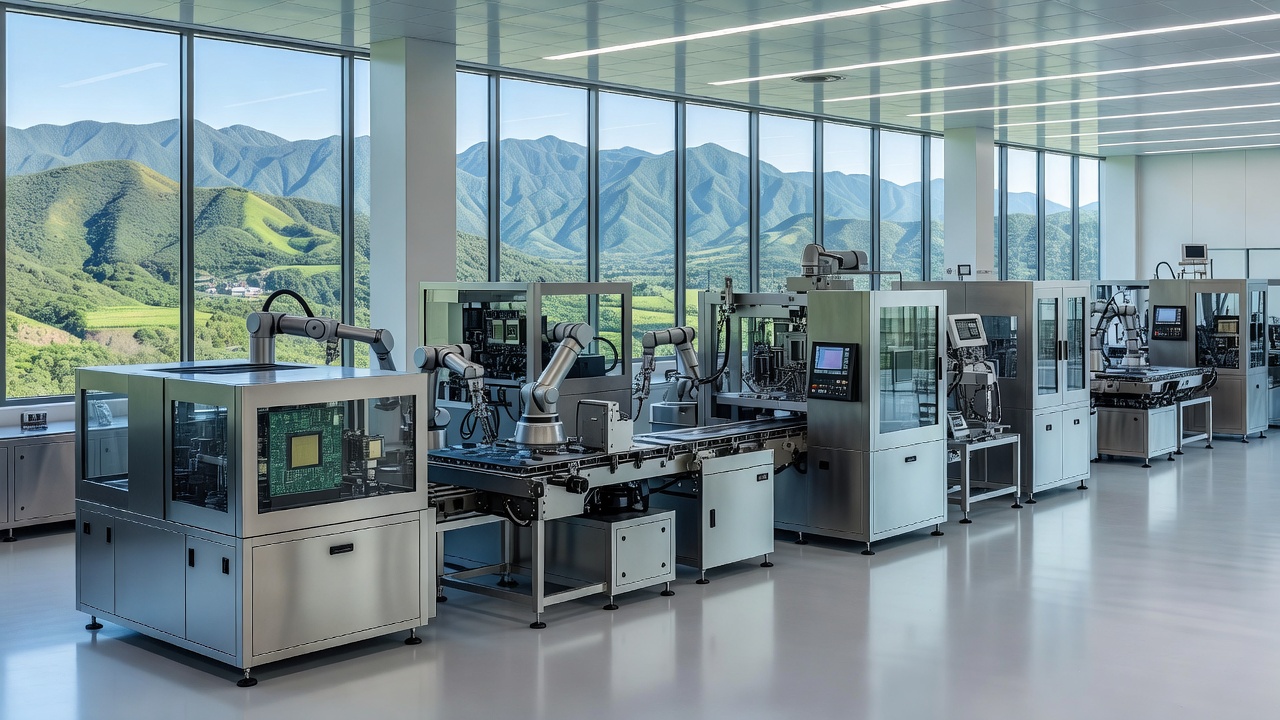
    أصدر مكتب الإحصاء في تايوان بيانات في 3 أغسطس أظهرت نمو الناتج المحلي الإجمالي للجزيرة بنسبة 12.9% على أساس سنوي خلال الفترة من أبريل إلى يونيو. وجاء هذا الرقم عقب زيادة بلغت 14.6% في الربع الأول، وتجاوز متوسط التوقعات البالغ 10.5% الذي جمعته بلومبرغ نيوز. وعزا المسؤولون تفوق الأداء إلى استمرار الطلبيات الخارجية المرتبطة بخدمات الذكاء الاصطناعي والرقائق المتقدمة.

    ارتفعت الصادرات بنسبة 21.6% في الربع الثاني مقارنة بالفترة نفسها من العام الماضي وفقاً لمكتب الإحصاء، ويعود ذلك أساساً إلى الطلب المتعلق بالذكاء الاصطناعي. كما زادت الواردات بنسبة 18.3% خلال الفترة ذاتها، ما يعكس ارتفاع مستويات الاستثمار التجاري عبر سلسلة التوريد التكنولوجية. ورغم انخفاض معدل النمو الرئيسي عن الربع السابق، أشار تقييم المكتب إلى أن الزخم الأساسي ظل قوياً للغاية.

    تظهر بيانات التجارة الأمريكية أن أشباه الموصلات تمثل أكثر من 20% من الناتج المحلي الإجمالي لتايوان، إذ تعد الجزيرة مسؤولة عن نحو 90% من أكثر رقائق العالم تقدماً المستخدمة في نماذج الذكاء الاصطناعي الرائدة. وتصنع شركة تايوان سيميكوندكتور مانيفاكتشرينغ (TSMC) معظم هذه المكونات لعملاء من بينهم نفيديا، بينما تقوم فوكسكون بتجميع معدات مراكز البيانات ذات الصلة، وفق تقييم صادر عن trade.gov أواخر 2025. وحقق القطاع إيرادات تجاوزت 165 مليار دولار في 2024 ويحتفظ بأكثر من 60% من الإنتاج العالمي لمصانع الرقائق.

    وقال غاريث ليذر كبير الاقتصاديين لآسيا في كابيتال إيكونوميكس إن خطط الاستثمار المستمرة لكبريات شركات أشباه الموصلات التايوانية من المتوقع أن تدعم نمواً إضافياً. وتشير التوقعات الصناعية المذكورة في تقارير إقليمية إلى ارتفاع بنسبة 11% في إيرادات أشباه الموصلات العالمية هذا العام مدفوعاً بالإنفاق على بنية تحتية للذكاء الاصطناعي. وتتفق هذه التصريحات مع تأكيد مكتب الإحصاء على أن الطلب الخارجي يشكل المحرك الرئيسي للتوسع الأخير.

    ورفع تقييم صادر عن معهد أبحاث تايوان في يونيو توقع نمو الناتج المحلي الإجمالي لعام 2026 بأكمله إلى 9.33%، مشيراً إلى أن طلب الذكاء الاصطناعي عامل أساسي يعوض المخاطر الخارجية. وأظهرت الأرقام الرسمية نمواً لعام 2025 كاملاً بنسبة 8.63%، مدعوماً بارتفاع الصادرات 34.9% رفع إجمالي الشحنات إلى 640.7 مليار دولار. وحذر المعهد من أن اعتماد الاقتصاد الكبير على التكنولوجيا يجعله عرضة لاضطرابات خاصة بالقطاع.

    وفي الوقت نفسه نما اقتصاد هونغ كونغ بنسبة 4.3% في الربع الثاني وفق البيانات الرسمية الصادرة في الأسبوع ذاته، مدعوماً بقفزة 28.8% في صادرات البضائع مرتبطة بطفرة الذكاء الاصطناعي. وارتفع الاستهلاك الخاص 2.9%، رغم تراجع الإنتاج المعدل موسمياً 0.6% عن الربع السابق. وأبرزت السلطات التحديات المستمرة الناجمة عن التوترات الجيوسياسية وعدم اليقين حول السياسة النقدية الأمريكية والحماية التجارية المتزايدة التي قد تؤثر على الاقتصادين خلال النصف الثاني من العام.
  • Strong AI Demand Drives Taiwan to 12.9 Percent Q2 Economic Expansion

    Strong AI Demand Drives Taiwan to 12.9 Percent Q2 Economic Expansion

    Taiwan’s statistics bureau released data on August 3 showing the island’s gross domestic product expanded 12.9 percent year-on-year from April to June. The figure followed a 14.6 percent increase in the first quarter and surpassed the median forecast of 10.5 percent compiled by Bloomberg News. Officials attributed the outperformance to sustained overseas orders tied to artificial intelligence servers and advanced chips.

    Exports climbed 21.6 percent in the second quarter compared with the same period a year earlier, according to the statistics bureau, largely on the back of AI-related demand. Imports advanced 18.3 percent over the period, reflecting elevated levels of business investment across the technology supply chain. Although the headline growth rate eased from the prior quarter, the bureau’s assessment found underlying momentum remained exceptionally firm.

    US trade data shows that semiconductors account for more than 20 percent of Taiwan’s GDP, with the island responsible for roughly 90 percent of the world’s most advanced chips used in leading AI models. Taiwan Semiconductor Manufacturing Company fabricates the majority of these components for customers including NVIDIA, while Foxconn assembles related data center equipment, a trade.gov assessment from late 2025 noted. The sector generated more than 165 billion dollars in revenue during 2024 and maintains over 60 percent of global foundry output.

    Gareth Leather, senior Asia economist at Capital Economics, said continued investment plans by Taiwan’s major semiconductor companies are expected to support further growth. Industry forecasts cited in regional reports project an 11 percent rise in global semiconductor revenue this year on AI infrastructure spending. The comments align with the statistics bureau’s emphasis on external demand as the primary driver of the latest expansion.

    A Taiwan Research Institute assessment issued in June raised the full-year 2026 GDP growth forecast to 9.33 percent, citing AI demand as a key factor that offsets external risks. Official figures placed growth for all of 2025 at 8.63 percent, building on an export surge of 34.9 percent that lifted total shipments to 640.7 billion dollars. The institute cautioned that the economy’s heavy reliance on technology leaves it exposed to sector-specific disruptions.

    Meanwhile, Hong Kong’s economy expanded 4.3 percent in the second quarter, according to official data released the same week, supported by a 28.8 percent jump in goods exports linked to the AI boom. Private consumption rose 2.9 percent, though seasonally adjusted output slipped 0.6 percent from the previous quarter. Authorities highlighted ongoing challenges from geopolitical tensions, uncertainty over US monetary policy and rising trade protectionism that could weigh on both economies in the second half of the year.

  • كازاخستان تسجل تدفقات رأسمالية قياسية وتتقدم في مؤشر سلامة المستثمرين العالمي

    كازاخستان تسجل تدفقات رأسمالية قياسية وتتقدم في مؤشر سلامة المستثمرين العالمي

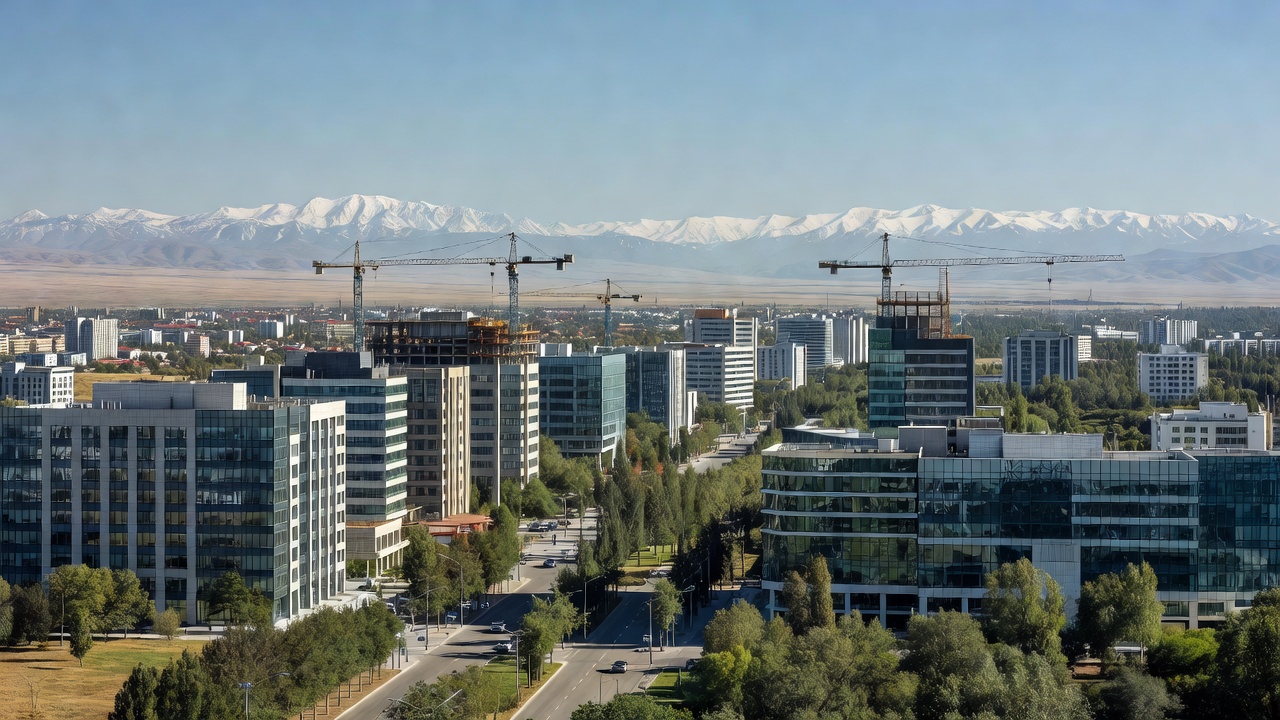
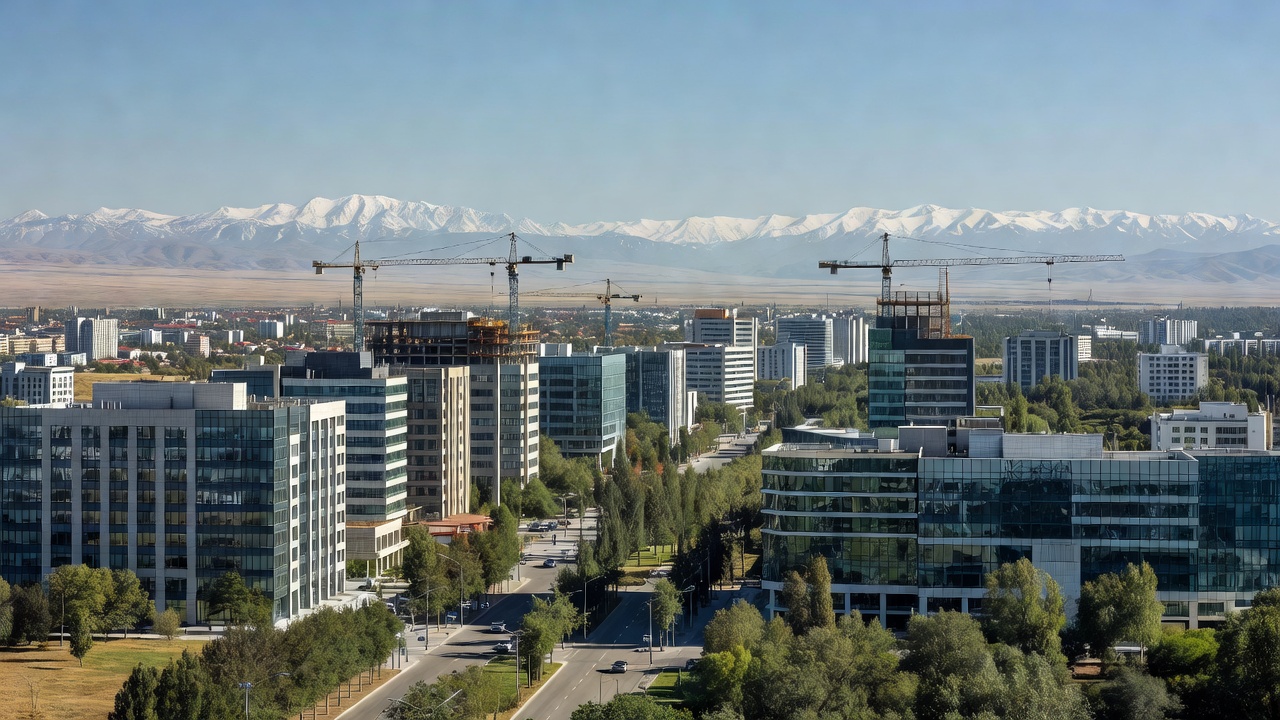
    أظهرت بيانات مكتب الإحصاء الوطني الكازاخستاني أن إجمالي التدفقات الاستثمارية في الأشهر الستة الأولى من عام 2026 تجاوز 20 مليار دولار، مسجلاً زيادة بنسبة 9.6% مقارنة بالفترة المقابلة من العام السابق، فيما ارتفع الاستثمار الخاص أكثر من 21%. وتقدمت الدولة 17 مركزاً في تصنيف «أكثر الدول أماناً للمستثمرين 2026» لتصل إلى المرتبة 53 من أصل 150 دولة، بحسب تقرير نشر في «عرب تايمز»، لتتصدر اقتصادات آسيا الوسطى أمام أوزبكستان في المركز 81 وقيرغيزستان في 96 وطاجيكستان في 97. يأتي هذا التقدم في ظل تزايد اهتمام المستثمرين بالاستقرار المؤسسي والقدرة على توقع السياسات في الأسواق الناشئة.

    يتوقع صندوق النقد الدولي نمواً اقتصادياً لكازاخستان بنسبة 4.6% في عام 2026، وهو توقع يتطابق مع توقعات البنك الدولي بالنمو المستدام في السنوات المقبلة. وتشير بيانات مكتب الإحصاء الوطني إلى نمو الناتج المحلي الإجمالي بنسبة 6.5% في 2025 مقارنة بالعام السابق، وارتفاع إضافي بنسبة 4.1% في النصف الأول من 2026. وقفز نشاط قطاع البناء أكثر من 15% خلال الفترة بين يناير ويونيو، فيما حققت قطاعات التصنيع والنقل واللوجستيات أداءً قوياً.

    يتحول الاستثمار تدريجياً نحو قطاعات التصنيع والبنية التحتية والزراعة وتقنية المعلومات، وفقاً للجهود المبذولة لتقليل الاعتماد على الصناعات الاستخراجية وبناء اقتصاد أكثر تنوعاً. ويمنح الموقع الجغرافي للبلاد الذي يربط الصين وروسيا والقوقاز وأوروبا كازاخستان فرصة الاستفادة من نمو شبكات النقل الأوراسية. وقد أولت حكومة الرئيس قاسم جومارت توكاييف أولوية لجذب استثمارات عالية الجودة والتوطين والتطوير التكنولوجي من خلال تعديلات السياسات المستهدفة.

    وتدعم عدة مبادرات جديدة جهود جذب الاستثمارات، منها إنشاء مقر للاستثمار ومنصة استثمار رقمية وطنية واتفاقيات استثمارية طويلة الأمد تضمن الظروف المستقرة لمدة تصل إلى 25 عاماً. وسيقدم برنامج «تأشيرة ألتين» القادم للمستثمرين ورجال الأعمال والمتخصصين المهرة تسهيلات في الوصول إلى الخدمات والعمل بدون حصص. وتأتي هذه الإجراءات ضمن استراتيجية أشمل لجذب التمويل والخبرات الأجنبية، بحسب ما أفادت به «عرب تايمز».

    وتشكل كازاخستان النسبة الأكبر من الاستثمار الأجنبي المباشر المتراكم في آسيا الوسطى، محتفظة بمكانتها كالمتلقي الرئيسي للاستثمارات في المنطقة. وقد أكدت الوكالات الائتمانية الدولية التصنيفات الائتمانية للبلاد، إذ حافظت «فيتش ريتينغز» على تصنيف BBB مع نظرة مستقرة، و«إس آند بي غلوبال ريتينغز» على BBB- مع نظرة إيجابية، فيما أبقت «موديز» التصنيف عند Baa1 مع نظرة إيجابية. كما سجلت البلاد تقدماً في مؤشرات التنافسية والسلام والتنمية المستدامة.

    وتقوم تقارير تقييم «أكثر الدول أماناً للمستثمرين» بتقييم عوامل مثل الأداء الاقتصادي الكلي وجودة الحوكمة والمخاطر السياسية ومخاطر العملة وفعالية اللوائح والقدرة على مواجهة الصدمات الاقتصادية العالمية. ويرجع المحللون التحسن في الترتيب إلى ارتفاع مستوى الثقة في المؤسسات التي باتت توجه قرارات تخصيص الأموال في الأسواق العالمية. ويعزز التصنيف الصادر في مايو، بحسب وسائل إعلام إقليمية بينها «كاسبيان بوست»، من مكانة كازاخستان كأكثر وجهة استثمارية أماناً في آسيا الوسطى.

  • Kazakhstan Draws Record Capital Inflows While Advancing in Global Investor Safety Index

    Kazakhstan Draws Record Capital Inflows While Advancing in Global Investor Safety Index

    Kazakhstan’s Bureau of National Statistics data places total investment inflows for the first six months of 2026 at more than 20 billion dollars reflecting a 9.6 percent increase from the corresponding period a year earlier while private investment rose more than 21 percent. The country advanced 17 places in the Safest Countries for Investors 2026 ranking to reach 53rd position out of 150 according to an Arab Times report emerging as the leading economy in Central Asia ahead of Uzbekistan at 81st Kyrgyzstan at 96th and Tajikistan at 97th. This progress comes as investors place greater weight on institutional stability and policy predictability across emerging markets.

    The International Monetary Fund projects that Kazakhstan’s economy will grow 4.6 percent in 2026 a forecast echoed in steady growth expectations from the World Bank for the years ahead. Figures from the Bureau of National Statistics show GDP expanded 6.5 percent in 2025 from the prior year and rose an additional 4.1 percent in the first half of 2026. Construction activity surged more than 15 percent in the January-June period with manufacturing transport and logistics also delivering robust results.

    Investment is shifting toward manufacturing infrastructure agriculture and information technology in line with efforts to lessen reliance on extractive industries and build a more diversified economy. The nation’s geographic position bridging China Russia the Caucasus and Europe positions it to benefit from expanding Eurasian transport networks. President Kassym-Jomart Tokayev’s government has prioritised higher-quality investments localisation and technological upgrades through targeted policy adjustments.

    Several new initiatives support capital attraction including an Investment Headquarters a National Digital Investment Platform and long-term investment agreements that guarantee stable conditions for up to 25 years. The forthcoming Altyn Visa programme will offer investors entrepreneurs and skilled professionals streamlined access to services and quota-free employment. These steps form part of a broader strategy to draw both funding and expertise from abroad the Arab Times reported.

    Kazakhstan continues to account for the bulk of foreign direct investment accumulated across Central Asia maintaining its status as the region’s dominant recipient. International credit agencies have affirmed the country’s ratings with Fitch Ratings holding it at BBB with a stable outlook S&P Global Ratings at BBB- with positive outlook and Moody’s at Baa1 with positive outlook. The country has also registered gains in competitiveness peace and sustainable development indices.

    Reports on the Safest Countries for Investors assessment indicate it evaluates factors such as macroeconomic performance governance quality political and currency risks regulatory effectiveness and resilience to global economic shocks. Analysts attribute the improved standing to rising institutional trust that now guides capital allocation decisions in global markets. The ranking released in May according to regional outlets including the Caspian Post reinforces Kazakhstan’s position as the safest investment destination in Central Asia.

  • حث على الحذر للسفن في مضيق هرمز عقب تقرير انفجار ناقلة قبالة عمان

    حث على الحذر للسفن في مضيق هرمز عقب تقرير انفجار ناقلة قبالة عمان

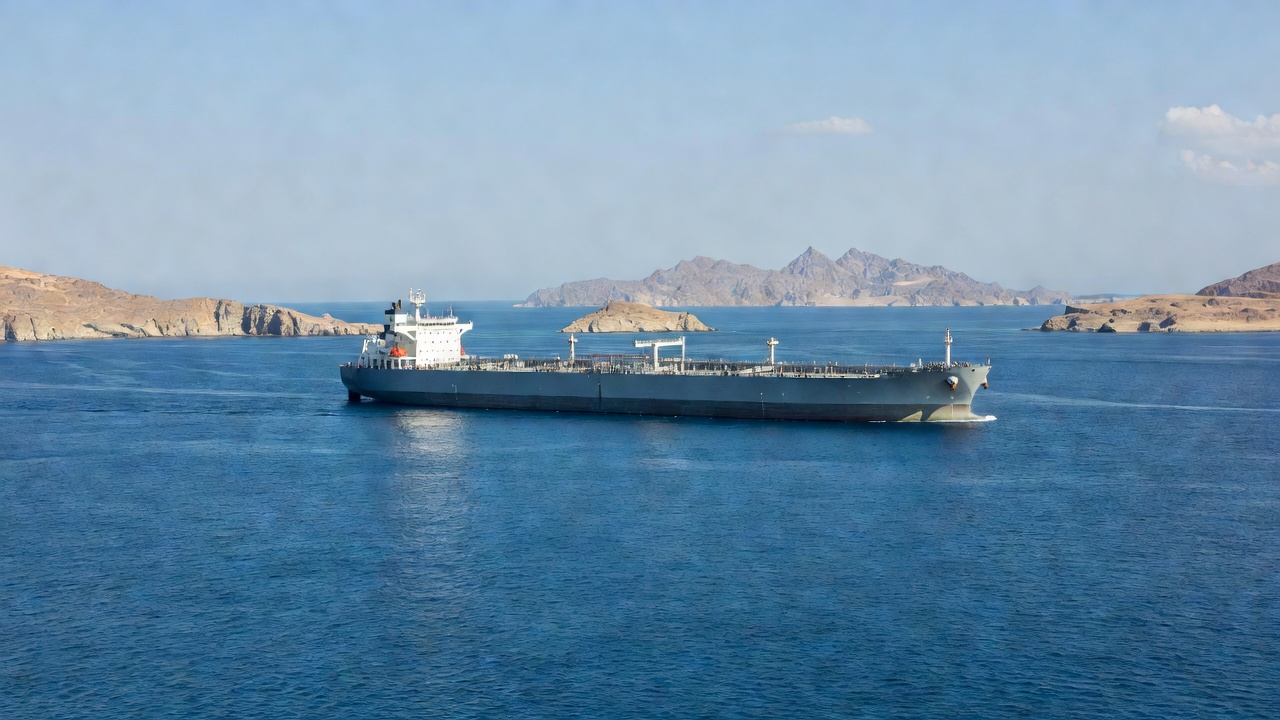
    تلقت عمليات التجارة البحرية البريطانية (UKMTO) تقريراً عن حادث وقع على بعد نحو 20 ميلاً بحرياً شمال شرق خصب في عمان يوم 3 أغسطس. وأفاد قائد ناقلة نفط بسماع انفجار على مقربة من السفينة، وفقاً للمكتب. وأكدت التقارير سلامة السفينة وطاقمها، بينما بدأت السلطات العمانية تحقيقاً في الحادث.

    ونصحت UKMTO السفن العابرة للمنطقة بتوخي أعلى درجات الحذر وإبلاغ أي نشاط مشبوه. ويندرج هذا التحذير ضمن الجهود المستمرة لتعزيز الأمن البحري في خليج عمان. وأظهرت بيانات الشحن في المنطقة تباطؤاً ملحوظاً في حركة السفن عبر الممرات المائية الرئيسية.

    وأظهرت بيانات كبلر أن 18 سفينة تجارية عبرت مضيق باب المندب يوم الأحد، مقارنة بـ27 سفينة يوم السبت و28 يوم الجمعة. ورغم المخاطر، عبرت ناقلتان تحملان نفطاً سعودياً المضيق بنجاح خلال عطلة نهاية الأسبوع، حسبما أشارت البيانات. ويأتي هذا التراجع بعد إعلان حركة الحوثيين الموالية لإيران فرض حظر بحري على السعودية.

    وأفادت رويترز بأن الحوثيين أصدروا الإعلان في 20 يوليو، ووصفوه بأنه إجراء فوري «عين بعين» رداً على ما اعتبروه حصاراً وغارات حديثة. وقد وسعت الجماعة حملتها ضد الشحن التجاري في البحر الأحمر والمناطق المجاورة. ويستهدف الحظر الناقلات المرتبطة بالعمليات السعودية.

    وتشير أرقام إدارة معلومات الطاقة الأمريكية إلى أن متوسط تدفقات النفط عبر مضيق هرمز بلغ 20.9 مليون برميل يومياً في النصف الأول من 2025، أي نحو 20% من الاستهلاك العالمي للسوائل النفطية. ويظل المضيق شرياناً حيوياً لصادرات الطاقة من الكويت والسعودية والعراق والإمارات العربية المتحدة. وقد أبرزت الإدارة دور المضيق في تقييماتها الدورية لنقاط الاختناق في نقل النفط العالمي.

  • Caution Urged for Ships in Strait of Hormuz After Oman Tanker Explosion Report

    Caution Urged for Ships in Strait of Hormuz After Oman Tanker Explosion Report

    The UK Maritime Trade Operations said it received a report of an incident about 20 nautical miles northeast of Khasab, Oman, on August 3. According to UKMTO, the master of a tanker reported hearing an explosion in close proximity to the vessel. The ship and its crew were reported safe, while Omani authorities launched an investigation into the matter.

    UKMTO advised vessels transiting the area to exercise heightened caution and report any suspicious activity. The alert forms part of ongoing efforts to maintain maritime security in the Gulf of Oman. Shipping data from the region reflected a slowdown in vessel movements through key waterways.

    Kpler data showed 18 commodity vessels transited the Bab el-Mandeb Strait on Sunday, compared with 27 on Saturday and 28 on Friday. Despite the risks, two tankers carrying Saudi oil successfully crossed the Bab el-Mandeb over the weekend, the data indicated. The decline follows the Iran-aligned Houthi movement’s announcement of a maritime embargo on Saudi Arabia.

    Reuters reported that the Houthis made the declaration on July 20, describing it as an immediate «eye for an eye» measure in response to perceived blockades and recent strikes. The group has expanded its campaign against commercial shipping in the Red Sea and adjacent areas. The embargo targets tankers linked to Saudi operations.

    US Energy Information Administration figures place average oil flows through the Strait of Hormuz at 20.9 million barrels per day in the first half of 2025, accounting for approximately 20 percent of global petroleum liquids consumption. The strait remains a vital artery for energy exports from Kuwait, Saudi Arabia, Iraq and the United Arab Emirates. The US Energy Information Administration has highlighted the strait’s role in its regular assessments of world oil transit chokepoints.

  • عائلات إيرانية تقلص وجباتها الغذائية وسط تضخم ثلاثي الأرقام في أسعار الطعام مع احتفاء الصحف المتشددة بتراجع ترامب عن الضربات

    عائلات إيرانية تقلص وجباتها الغذائية وسط تضخم ثلاثي الأرقام في أسعار الطعام مع احتفاء الصحف المتشددة بتراجع ترامب عن الضربات

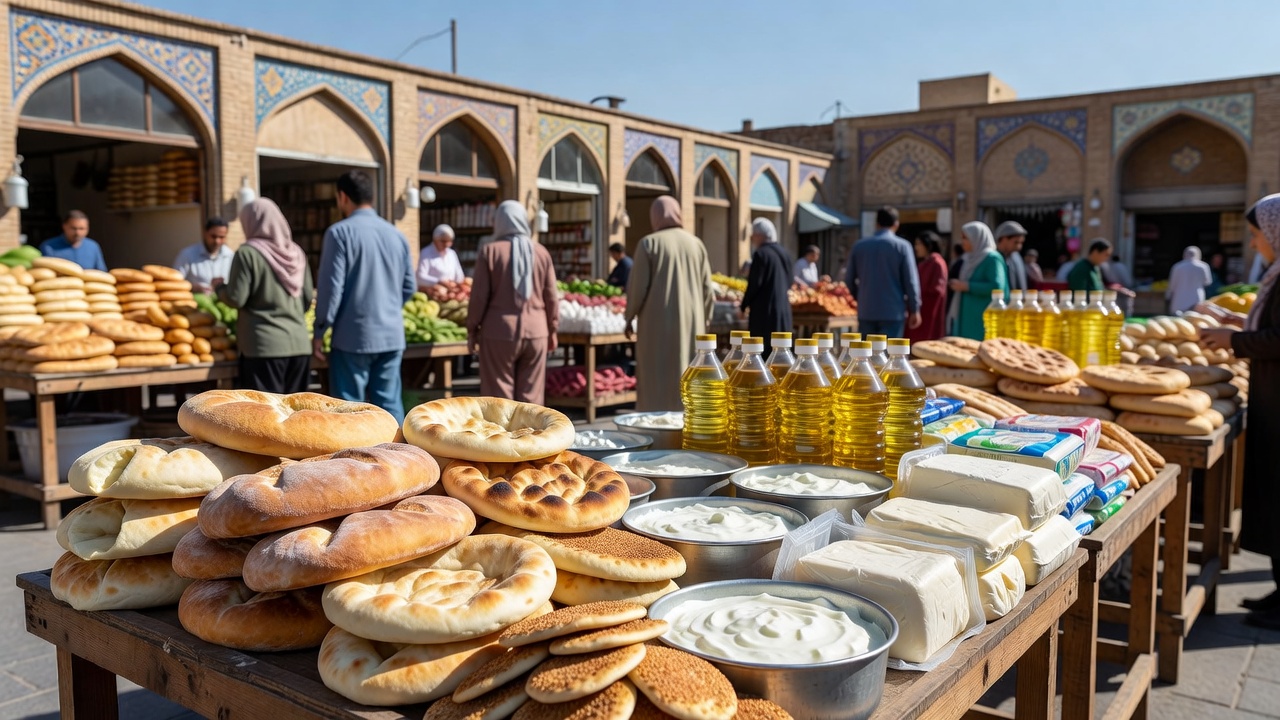
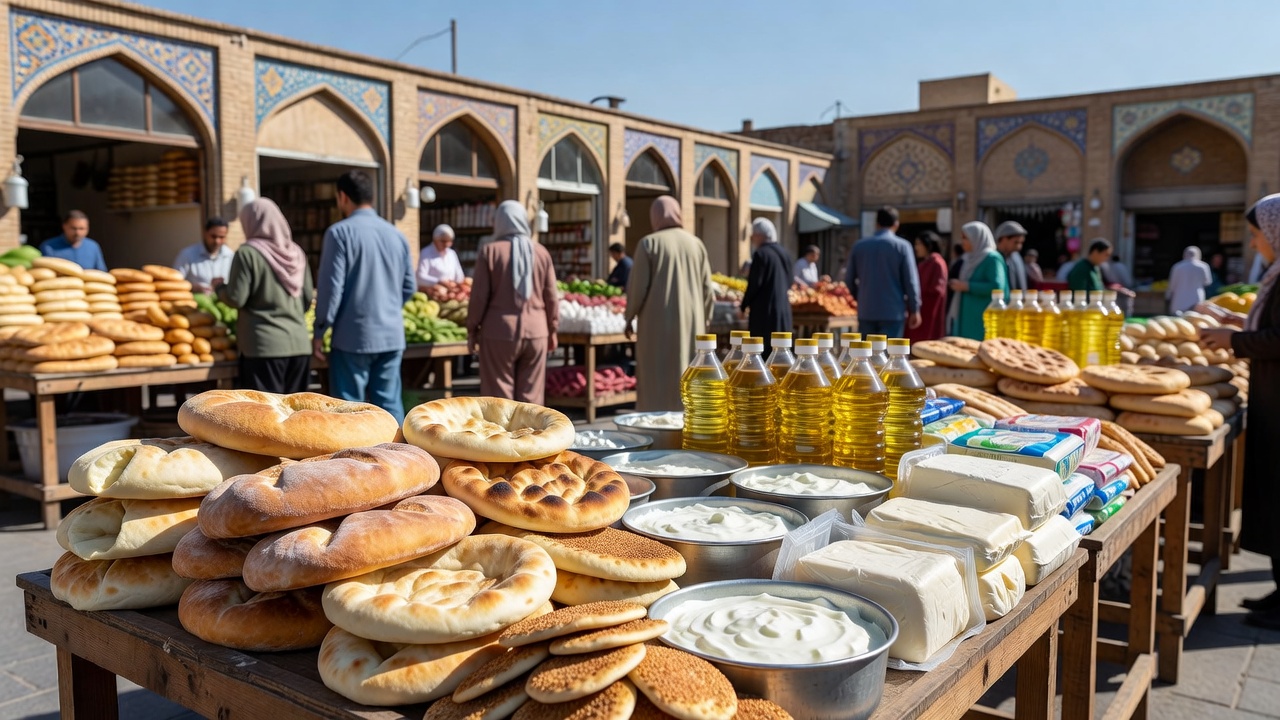
    واجهت الأسر الإيرانية ضغوطاً اقتصادية حادة ناجمة عن ارتفاع أسعار الغذاء في 3 أغسطس 2026، إذ أورد الموقع الإخباري المعتدل رویداد24 عبر صحيفة «عرب تايمز» أن أسعار الدجاج ارتفعت بنحو 190% على أساس سنوي بينما صعد سعر الحليب المبستر 150% وزاد الزبادي نحو 130%. وحقق زيت الطبخ بعضاً من أكبر المكاسب، حيث ارتفعت الأصناف السائلة أكثر من 340% والزيت الصلب للطبخ بنحو 400% مقارنة بالفترة ذاتها قبل عام. وحدد المركز الإحصائي الإيراني على حدة معدل التضخم الغذائي الإجمالي بنسبة 115% في مطلع 2026 للسلع التي تشمل الأرز والألبان، بحسب تغطية «الجزيرة» للبيانات الرسمية، الأمر الذي يفاقم الضغوط الواضحة أصلاً في أرقام البنك المركزي الإيراني التي سجلت قمة بلغت 105% في فبراير.

    واستجابت العديد من الأسر بحذف اللحوم الحمراء من وجباتها أولاً قبل أن تقلص استهلاك الدجاج ومنتجات الألبان، كما واصل تقرير «عرب تايمز»، حتى بات من الصعب الحفاظ على البيض وزيت الطبخ والخبز مع تضاؤل الميزانيات. ودفع البطالة وفقدان الوظائف على نطاق واسع بعض الإيرانيين إلى بيع المواد الغذائية في شوارع المدن كعلامة مرئية على الضائقة، أضاف التقرير. وأظهرت بيانات صندوق النقد الدولي أن التضخم الغذائي يتراوح بين 140 و200% في التقييمات الأخيرة، وهو أعلى بكثير من المعدلات العامة التي تقارب 70% ويتجاوز بفارق كبير المتوسط طويل الأمد البالغ 35.42% الذي يتابعه موقع تريدينغ إيكونوميكس منذ 2012.

    وقد حدثت أزمة تكاليف الغذاء هذه في ظل انخفاض قيمة العملة حيث فقد الريال الإيراني ثلاثة أرباع قيمته على مدى أربع سنوات، بحسب تحليل منتدى الشرق الأوسط لاتجاهات المركز الإحصائي الإيراني، مع ارتفاع أسعار الخبز والحبوب إلى ما يقارب الضعف خلال تلك الفترة. وسلط تقرير «الغارديان» الصادر في مايو 2026 الضوء على غضب الجمهور إزاء ارتفاع بنسبة 308% في زيت الخضروات و190% في الدجاج، وهي بيانات تتوافق إلى حد كبير مع أحدث النتائج التي توصل إليها رویداد24. وقد أثرت هذه الضغوط على الأسر ذات الدخل المنخفض والريفية بشكل أشد، إذ ارتفع التضخم السنوي للغذاء والمشروبات والتبغ إلى 112.5% بحلول مارس، كما أشارت «إيران إنترناشونال» استناداً إلى الإصدارات الرسمية.

    وفي تطورات موازية، تفاعلت الصحف المتشددة في إيران مع إعلان الرئيس دونالد ترامب أنه ألغى الضربات المخططة على البنية التحتية الإيرانية، كما أفادت «عرب تايمز» من طهران. ونشرت «همشهري» صورة على الصفحة الأولى لعصا نقل السرعات في سيارة تحمل ظل ترامب في وضعية التراجع تحت عنوان «تروس ترامب العكسي»، معتبرة الخطوة تراجعاً عن المواجهة. أما «كيهان» فقد أكدت أن القوة الوطنية هي التي دفعت نحو هذا التحول، مشيرة حرفياً إلى أن «قوة إيران أعطت الجواب» فيما ادعت أن ترامب سحب تهديداته.

    وعزا ترامب إلغاء الضربات إلى جهود دبلوماسية متجددة وعبر عن تفاؤله بإمكانية التوصل إلى اتفاقات حول إعادة فتح مضيق هرمز إلى جانب مفاوضات نووية جديدة مع إيران، بحسب ما نقلته «عرب تايمز» عن تصريحاته. وصور اليوميات المتشددة النتيجة على أنها انتصار، مستندة إلى تغطية سابقة ربطت التغييرات في السياسة بوضع إيران الإقليمي. وتزامن هذا الإطار الإعلامي مع التحديات الاقتصادية الداخلية التي استمرت رغم الانخفاضات الشهرية المتقطعة في التضخم الجملة، كما أشارت «فورتشن» في مراجعتها لأسعار المنتجين في يوليو.

    ويبرز السياق الأوسع من مراجعات شركة PwC والبنك الدولي للاقتصادات الإقليمية مدى هشاشة قطاع الغذاء في إيران، الذي يشكل حصة كبيرة من إنفاق الأسر، أمام اضطرابات الإمداد وتكاليف الاستيراد التي تضخمها عوامل خارجية. وقد وثق المركز الإحصائي الإيراني تضاعف أسعار الغذاء ثلاث مرات خلال السنوات الأخيرة، وهو اتجاه يتوقع موقع تريدينغ إيكونوميكس أن يستقر التضخم عنده قرب 70% بنهاية 2027 وفق النماذج الحالية. ولم يصدر المسؤولون بيانات إجمالية محدثة على مستوى البلاد منذ ظهور التقارير في أغسطس.

  • Iranian Families Slash Diets Amid Triple-Digit Food Inflation as Hardline Press Reacts to Trump Strike Reversal

    Iranian Families Slash Diets Amid Triple-Digit Food Inflation as Hardline Press Reacts to Trump Strike Reversal

    Iranian households confronted severe economic strain from soaring food costs on August 3, 2026, with moderate outlet Rouydad24 reporting through the Arab Times that chicken prices had climbed around 190 percent year-on-year while pasteurized milk rose 150 percent and yogurt increased about 130 percent. Cooking oil posted some of the largest gains, as liquid varieties advanced more than 340 percent and solid cooking oil nearly 400 percent compared with the same period a year earlier. The Statistical Center of Iran separately placed overall food inflation at 115 percent in early 2026 for items including rice and dairy, according to Al Jazeera coverage of official data, compounding pressures already evident in Central Bank of Iran figures that recorded a 105 percent peak in February.

    Many families responded by first eliminating red meat from their meals before cutting back on chicken and dairy products, the Arab Times account continued, until even eggs, cooking oil and bread grew difficult to sustain on shrinking budgets. Unemployment and widespread job losses have pushed some Iranians to sell food items on city streets in a visible sign of distress, the report added. International Monetary Fund data showed food inflation ranging between 140 and 200 percent in recent assessments, well above headline rates near 70 percent and far exceeding the long-term average of 35.42 percent tracked by Trading Economics since 2012.

    The food cost crisis has unfolded against a backdrop of currency devaluation in which the Iranian rial lost three-quarters of its value over four years, according to the Middle East Forum analysis of Statistical Center of Iran trends, with bread and cereals nearly doubling in price during that span. Guardian reporting from May 2026 highlighted public anger over 308 percent increases in vegetable oil and 190 percent rises in chicken, data that closely tracks the latest Rouydad24 findings. These pressures have hit lower-income and rural households hardest, as year-on-year inflation for food, beverages and tobacco climbed to 112.5 percent by March, Iran International noted from official releases.

    In parallel developments, Iran’s hardline newspapers reacted to President Donald Trump’s announcement that he had called off planned strikes on Iranian infrastructure, the Arab Times reported from Tehran. Hamshahri featured a front-page image of a car gear stick with Trump’s silhouette in the reverse position under the headline «Trump’s Reverse Gear,» framing the move as a retreat from confrontation. Kayhan asserted that national strength had driven the shift, stating verbatim that «Iran’s power delivered the answer» while claiming Trump had withdrawn his threats.

    Trump attributed the cancellation to renewed diplomatic efforts and voiced optimism that deals could emerge on reopening the Strait of Hormuz alongside fresh nuclear negotiations with Iran, according to the Arab Times account of his remarks. The hardline dailies portrayed the outcome as a victory, building on earlier coverage that tied policy changes to Iran’s regional posture. Such media framing coincided with domestic economic challenges that have persisted despite occasional monthly dips in wholesale inflation, as Fortune noted in its July review of producer prices.

    Broader context from PwC and World Bank reviews of regional economies underscores how Iran’s food sector, which accounts for a large share of household spending, remains vulnerable to supply disruptions and import costs amplified by external factors. The Statistical Center of Iran has documented food prices tripling over recent years, a trend that Trading Economics projects could see inflation settle near 70 percent by the end of 2027 under current models. Officials have not released updated nationwide aggregates since the August reports surfaced.

  • الكويت تطبق رسوم ترخيص جديدة للمراكب البحرية بما فيها الجت سكي

    الكويت تطبق رسوم ترخيص جديدة للمراكب البحرية بما فيها الجت سكي

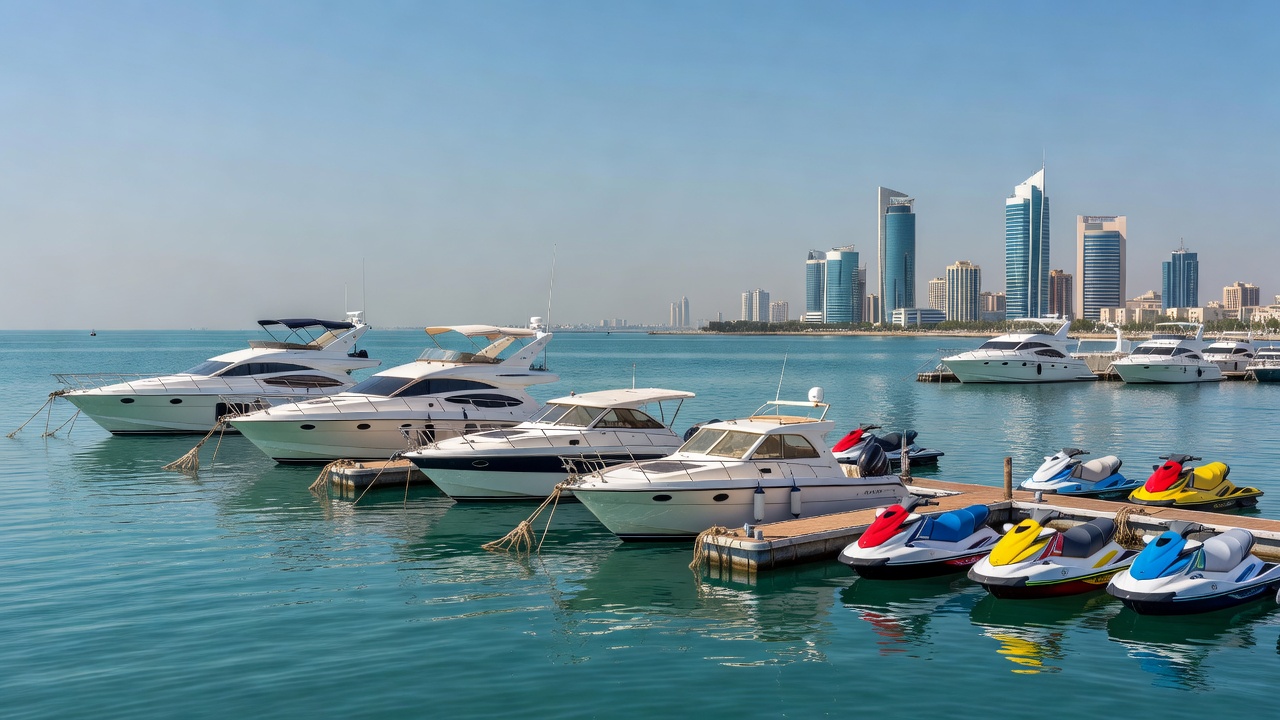
    أصدرت وزارة الداخلية قرار رقم 1089 لعام 2026 بتحديث الرسوم الإدارية المتعلقة بالمراكب البحرية والجت سكي، وفق ما نشر في الجريدة الرسمية «الكويت اليوم» ونقلته صحيفة «عرب تايمز».

    نصت المادة الأولى من القرار على تحديد رسم إصدار الترخيص للمرة الأولى بـ5 دنانير، ويطبق على جميع أحجام المراكب دون استثناء. أما رسوم استبدال التراخيص المفقودة أو التالفة فحددت بـ25 ديناراً للمراكب التي يتجاوز طولها 40 قدماً، وبـ20 ديناراً للمراكب التي تتراوح أطوالها بين 16 و40 قدماً، وبـ15 ديناراً للمراكب التي يقل طولها عن 16 قدماً. ويطبق هذا التدرج على كل من القوارب التقليدية والمركبات المائية الشخصية على حد سواء.

    وتبع ذلك رسوم تعديل النشاط أو طبيعة العمل على المركب، إذ حددت بـ70 ديناراً للوحدات التي يزيد طولها على 40 قدماً، وبـ60 ديناراً للمراكب متوسطة الحجم، وبـ50 ديناراً لأصغر الفئات، حسبما أفاد القرار.

    وأسندت المادة الثانية مهمة الإشراف على التطبيق العملي للقرار إلى وكيل وزارة الداخلية في كافة الإدارات المعنية. ودخلت الرسوم الجديدة حيز التنفيذ مباشرة بعد نشرها في الجريدة الرسمية.

    ويأتي هذا التحديث بعد المرسوم بالقانون رقم 61 لعام 2026 المتعلق بالمنشآت البحرية والوحدات العائمة، والذي يتكون من 44 مادة ويطبق على السفن التي يصل وزنها إلى 150 طناً بما في ذلك الجت سكي، وفق ما أفادت به وسائل الإعلام المحلية مستندة إلى الجريدة الرسمية. ويفرض ذلك القانون غرامات تتراوح بين 250 و500 دينار على مخالفات الترخيص والسلامة، حسبما أشارت الملخصات من القنوات الرسمية.

    وقد حددت السلطات الكويتية لأول مرة شروط الحصول على القوارب والجت سكي في قرار نشرته وكالة الأنباء الكويتية «كونا» عام 2013. وشملت إجراءات التنفيذ حظر تشغيل هذه المركبات لمن هم دون 18 عاماً، وهو تقييد ذكرته صحيفة «كويت تايمز» في تغطيتها عام 2018.

    ووفقاً لنظرة عامة على صناعة القوارب الترفيهية من «دريم يخت سيلز»، بلغ حجم سوق المركبات المائية الشخصية العالمي حوالي 5.5 مليار دولار في عام 2026، مع مبيعات سنوية تتراوح بين 70 ألفاً و75 ألف وحدة. وأفادت «كويت تايمز» بحملة رصدت 160 مخالفة لأصحاب المركبات المائية الشخصية و52 مخالفة للسفن البحرية الأخرى. كما أشار تحليل قانوني أجراه «مونداك» عام 2019 إلى أن المقيمين أصبحوا مؤهلين لتسجيل القوارب والجت سكي بأسمائهم مباشرة بموجب القواعد المحدثة الناتجة عن القانون رقم 46 لعام 1997.

    وتطرقت تغطية «عرب تايمز» لتعديلات الرسوم إلى هذا التطور تحت عنوان «الكويت تحدد رسوماً جديدة للمراكب البحرية والجت سكي»، في حين قدمت التفصيل الكامل للرسوم المتدرجة من القرار الوزاري. وأكدت الصحيفة أنه لم يرافق هذا القرار أي تغييرات في فترات صلاحية التراخيص القائمة أو بروتوكولات السلامة. ولم يفصح المسؤولون عن إحصاءات تسجيل محدثة تشير إلى العدد الحالي للمراكب البحرية المرخصة التي تعمل في المياه الكويتية.

  • New Licensing Fees Rolled Out for Kuwait Marine Crafts Including Jet Skis

    New Licensing Fees Rolled Out for Kuwait Marine Crafts Including Jet Skis

    The Ministry of Interior issued Decision No. 1089 of 2026 to update administrative charges associated with marine crafts and jet skis, according to details published in the official gazette Kuwait Alyoum and reported by Arab Times. Article One of the decision fixed the fee for first-time license issuance at KD 5 applicable to all vessel sizes without exception. Replacement fees for lost or damaged licenses were set at KD 25 for marine crafts longer than 40 feet, KD 20 for the 16-to-40-feet range and KD 15 for those measuring less than 16 feet. This graduated scale applies uniformly to both traditional boats and personal watercraft.

    Fees for modifying the activity or nature of work on a boat followed a similar graduated scale with KD 70 required for units over 40 feet, KD 60 for medium-sized craft and KD 50 for the smallest category, the decision stated. Article Two assigned the Undersecretary of the Ministry of Interior with oversight for its practical application across all relevant departments. The new rates entered into force immediately upon their appearance in the official gazette.

    The update follows Decree Law No. 61 of 2026 on maritime installations and floating units, which encompasses 44 articles and applies to vessels up to 150 tons including jet skis, according to local media reports citing the gazette. That law imposes fines ranging from KD 250 to KD 500 for licensing and safety violations, summaries from official channels indicated. Kuwaiti authorities first set terms for boat and jet-ski acquisition in a decision reported by KUNA in 2013. Enforcement actions have included a prohibition on operators under 18, a restriction noted in Kuwait Times coverage from 2018.

    A recreational boating industry overview from Dream Yacht Sales placed the global personal watercraft market at approximately USD 5.5 billion in 2026 with annual sales of 70,000 to 75,000 units. Kuwait Times reported a campaign that identified 160 violations against personal watercraft owners and 52 for other maritime vessels. A 2019 legal analysis by Mondaq noted that residents became eligible to register boats and jet skis directly in their names under updated rules stemming from Law Number 46 of 1997.

    Arab Times coverage of the fee adjustments referenced the development under the heading Kuwait Sets New Fees for Marine Crafts and Jet Skis while presenting the full tiered breakdown from the ministerial decision. The publication confirmed that no alterations to existing license validity periods or safety protocols accompanied this resolution. Officials have not released updated registration statistics that would indicate the current number of licensed marine crafts operating in Kuwaiti waters.