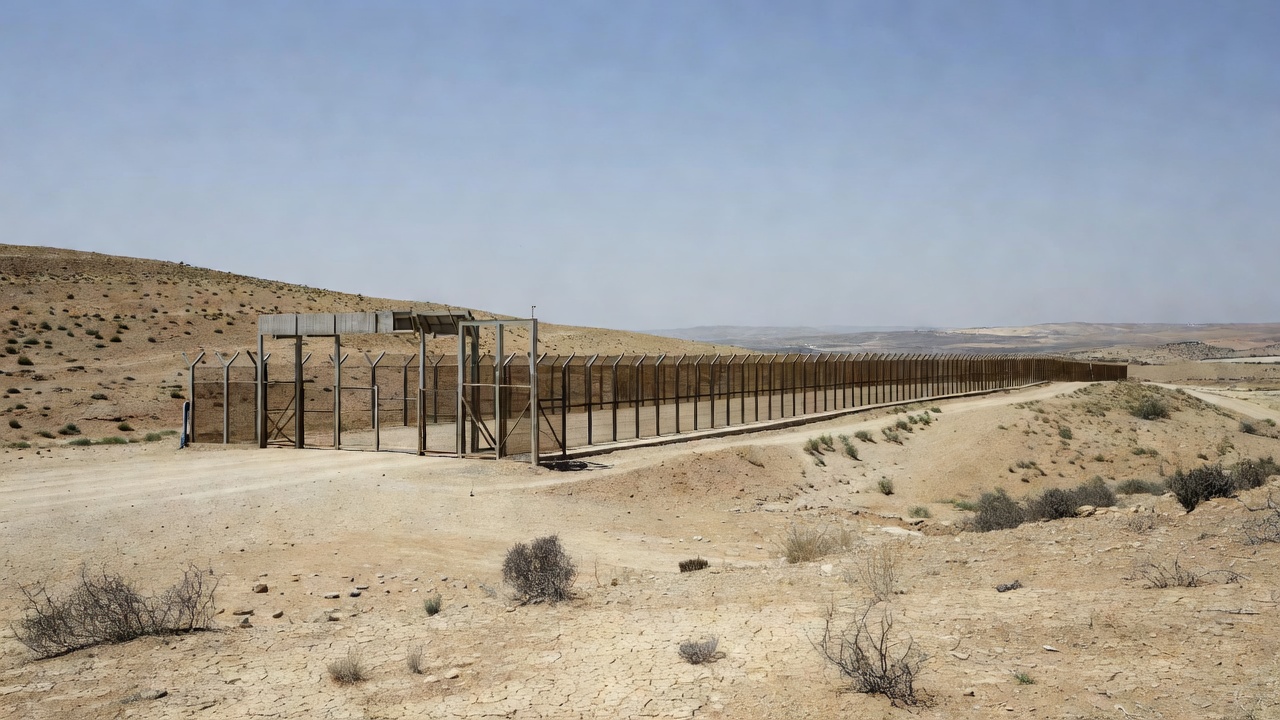
Violent confrontations broke out Saturday between Moroccan security forces and hundreds of migrants attempting to force their way across the border into the Spanish enclave of Melilla, according to a report from Rabat published by Arab Times. Videos circulated by activists and Moroccan media depicted the unrest at the Beni Ansar crossing point, where groups sought to breach barriers separating Moroccan territory from the enclave. Moroccan news website Hibapress stated that the coordinated attempt led to injuries among both security personnel and participants, after which authorities detained at least 50 people in connection with the events. The Beni Ansar crossing stayed shut for a second day as officials worked to prevent further mass efforts, the report added.
The incident forms part of an escalating migration crisis affecting Spain’s North African enclaves of Ceuta and Melilla, Arab Times reported. Spanish authorities have noted deaths among migrants who attempted to swim toward Ceuta as well as fatalities in a stampede near the border fence during recent crossing bids. A total of 57 bodies have been recovered on the Spanish side with searches continuing for additional victims, the article stated. Spain’s Interior Ministry placed the number of returns to Morocco at approximately 48,300 by 1600 GMT Friday out of an estimated 60,000 who had entered Ceuta in preceding days.
Tens of thousands of Moroccans gathered near the barriers dividing Morocco from Ceuta and Melilla over recent days in bids to reach Spanish soil and proceed onward to mainland Europe, according to the Arab Times dispatch. Ceuta and Melilla constitute the European Union’s sole land borders with the African continent, a geographic reality that has drawn repeated large-scale attempts in past years. The International Organization for Migration’s Missing Migrants Project has documented multiple fatalities along the Western Mediterranean route linked to both maritime crossings and land efforts at these enclaves, with several dozen deaths attributed to violence, illness or lack of medical access in recent records.
UNHCR operational data on Europe sea and land arrivals indicated more than 2,800 arrivals registered in Ceuta by mid-July 2026 while Melilla saw 181 in the same period, figures that precede the late-July surge detailed in contemporary reporting. A 2022 precedent at the Nador-Melilla fence, where IOM and UNHCR jointly deplored the loss of life after a mass crossing attempt, underscored the recurring dangers associated with these routes. Moroccan and Spanish cooperation on returns has featured prominently in managing such pressures, though the current scale has strained local reception capacity in both enclaves.
The temporary closure of the Beni Ansar post disrupted travel for thousands of passengers including members of the Moroccan diaspora returning from abroad, Arab Times noted in its coverage. Moroccan security forces have maintained reinforced presence along the perimeter to contain repeated efforts following the Saturday clashes. Spanish government delegation orders had already led to tightened land and maritime surveillance around Melilla after earlier gatherings on July 30, according to accounts of the 2026 border incident.
Al Jazeera reporting on the wider events placed the death toll from the Ceuta-related crossings at a minimum of 18 while describing crowds breaching Moroccan-side controls to reach Spanish territory. The Washington Post similarly described a surge of nearly 50,000 into Ceuta that prompted political reactions across Europe and beyond. These developments arrive against longstanding patterns in which sub-Saharan and North African migrants seek irregular entry to the enclaves as gateways to the European Union.