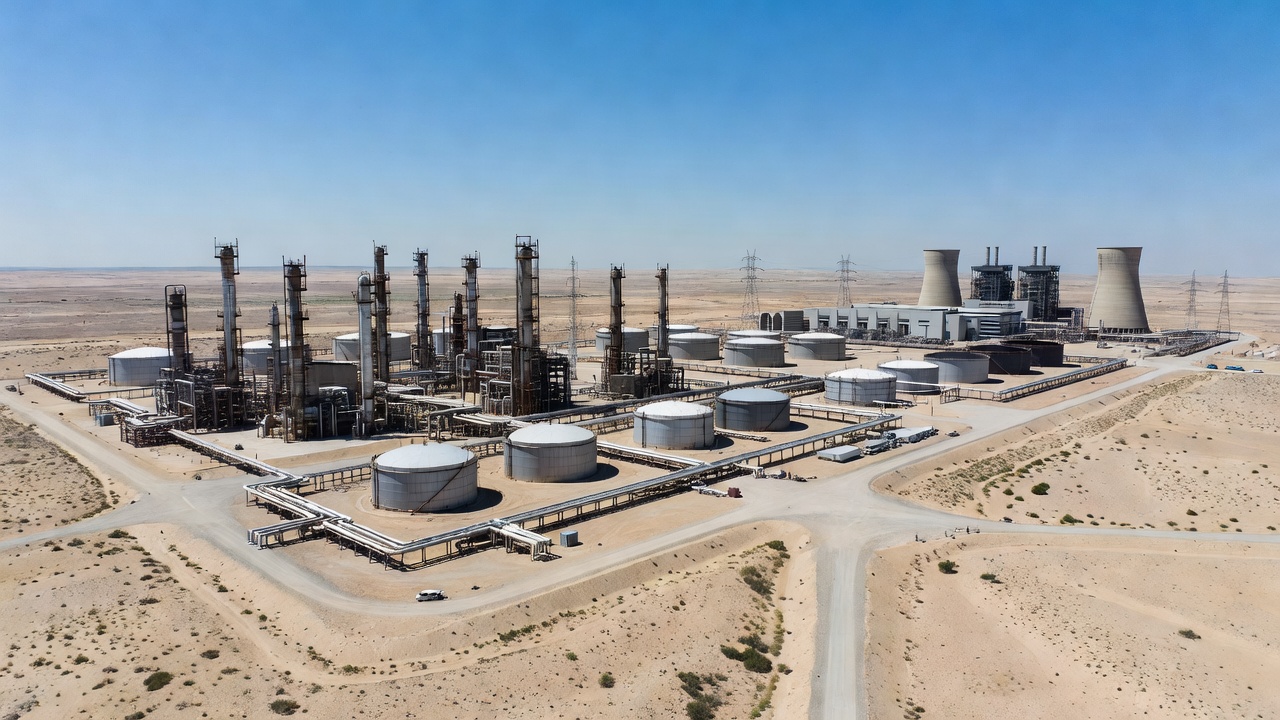
The Arab Times reported on August 1 that the United States and Israel had been coordinating on plans for strikes targeting power plants, oil refineries and other energy infrastructure inside Iran. According to the newspaper’s account of CBS News reporting, planners weighed completing any operation before global financial markets opened on Monday to curb economic fallout though no firm deadline existed. President Donald Trump had not yet granted final approval for the action at that point, sources familiar with the talks told CBS News. An Israeli official separately informed CBS News that Israel remained unaware of any decision to launch full-scale operations and had received no formal request to take part.
Speaking at a Cabinet meeting held at Camp David, Trump indicated that military options stayed under active review. «We’ll be hitting them very hard,» Trump said. «At some point, they’re going to say, ‘We just can’t take it anymore.’» White House spokesperson Karoline Leavitt stated that the United States «will win» while stressing that Iran must not be permitted to develop a nuclear weapon during the current administration. Pentagon spokesperson Sean Parnell added that American forces stood ready but offered no specifics on possible targets ahead of any presidential order.
The Wall Street Journal, citing US officials, reported that those preparations received authorization during sessions at the Camp David retreat. The Journal noted that Trump retained the ability to pause the strikes and shift back toward negotiations with Iran provided immediate diplomatic headway occurred. In response, a senior Iranian security official told Tasnim News Agency that Tehran maintained «a comprehensive plan» ready for activation against any attack. The official characterized reports of impending strikes as «a form of recklessness» and specified that Iran’s countermeasures would focus on critical infrastructure within Israel as well as US energy facilities across the region.
The same Iranian official asserted that Tehran possessed both «the capability and the will» to execute its planned retaliation. According to a 2025 International Energy Agency assessment, Iran maintained average daily oil production near 3.4 million barrels, a volume that underscored the potential for wider market consequences should its energy network sustain damage. The International Atomic Energy Agency has continued regular monitoring of Iranian nuclear activities throughout 2025 and into 2026, recording ongoing enrichment levels that have heightened concerns among Western governments.
Discussions between Washington and Jerusalem on this scale of operation follow a pattern of earlier incidents that disrupted Iranian energy exports. Reuters reporting from 2019 documented attacks on multiple oil tankers in the Gulf that temporarily reduced regional shipping capacity by an estimated 5 percent in the immediate aftermath. OPEC data published last year placed Iran’s share of global crude supply at roughly 4 percent, figures that analysts at the US Energy Information Administration have warned could drive price volatility if major refining capacity were taken offline.
Trump administration statements have consistently framed the objective as blocking Iranian acquisition of nuclear arms. Leavitt reiterated that policy position in her public comments on the matter. The Wall Street Journal account indicated that diplomatic avenues would remain available should Tehran demonstrate concrete movement toward negotiations in the coming days.
Добавить комментарий