Автор: NewsDesk

  • Spain Deploys Military to Ceuta After Thousands Breach Moroccan Border Leaving at Least Nine Dead

    Spain Deploys Military to Ceuta After Thousands Breach Moroccan Border Leaving at Least Nine Dead

    Spanish officials indicated the military would support the Civil Guard in securing the city following the large-scale breach that local leaders said had caused the border to collapse. The announcement followed a request for reinforcements from Ceuta authorities after the incident that saw crowds streaming across the frontier. Spain’s Interior Ministry added that Moroccan police were stopping numerous additional attempts and that both nations had agreed to expedite returns of those who crossed illegally.

    Rachid Sbihi, who heads the association for Civil Guard officers at the Ceuta border, told The Associated Press the situation was one of absolute chaos with the border totally collapsed. «The situation is absolute chaos. It’s not possible to give precise numbers, but there are thousands of migrants crossing,» he said, adding that the border had «totally collapsed.» Achraf Maimouni, a member of the Moroccan Association for Human Rights in northern Morocco, described the events as exceptional and said the Tarajal border was opened under unusual circumstances that morning.

    Spain’s government delegation in Ceuta stated at least nine people died Thursday during the chaos, with bodies visible in the water although specific causes were not detailed. The delegation noted that dozens of people have died this year in attempts to reach the Spanish territory. Video from the scene showed groups including families with small children walking onto local roads after passing the breakwaters, with some shouting «Viva España!»

    The breach came one day after a surge in swimming attempts to the exclave, according to Spanish authorities. It remained unclear what specifically triggered the mass movement on this occasion. A Spanish Supreme Court ruling earlier in the month that limited immediate returns for sea arrivals was cited by some Ceuta officials as a possible factor, though Moroccan activists questioned whether migrants were aware of the decision.

    The scenes echoed a major crisis in May 2021 when more than 8,000 migrants entered Ceuta over two days, an event that strained relations between Spain and Morocco over the treatment of a Polisario Front leader. Spain functions as one of Europe’s primary arrival points for migrants from Africa seeking improved economic prospects. Migrants frequently attempt the crossing by swimming roughly five kilometers from the Moroccan town of Fnideq or shorter distances from Belyounech.

    A comparable tragedy occurred at Spain’s other North African enclave of Melilla in June 2022, when at least 23 migrants died during a mass border attempt according to Moroccan authorities while a Human Rights Watch assessment estimated the toll could reach 37. The latest incident has drawn international attention, with Italian Prime Minister Giorgia Meloni warning of potential suspension of the Schengen agreement with Spain in response to the migration pressures. Spanish and Moroccan cooperation on the issue continues as efforts focus on restoring border controls and processing those who arrived.
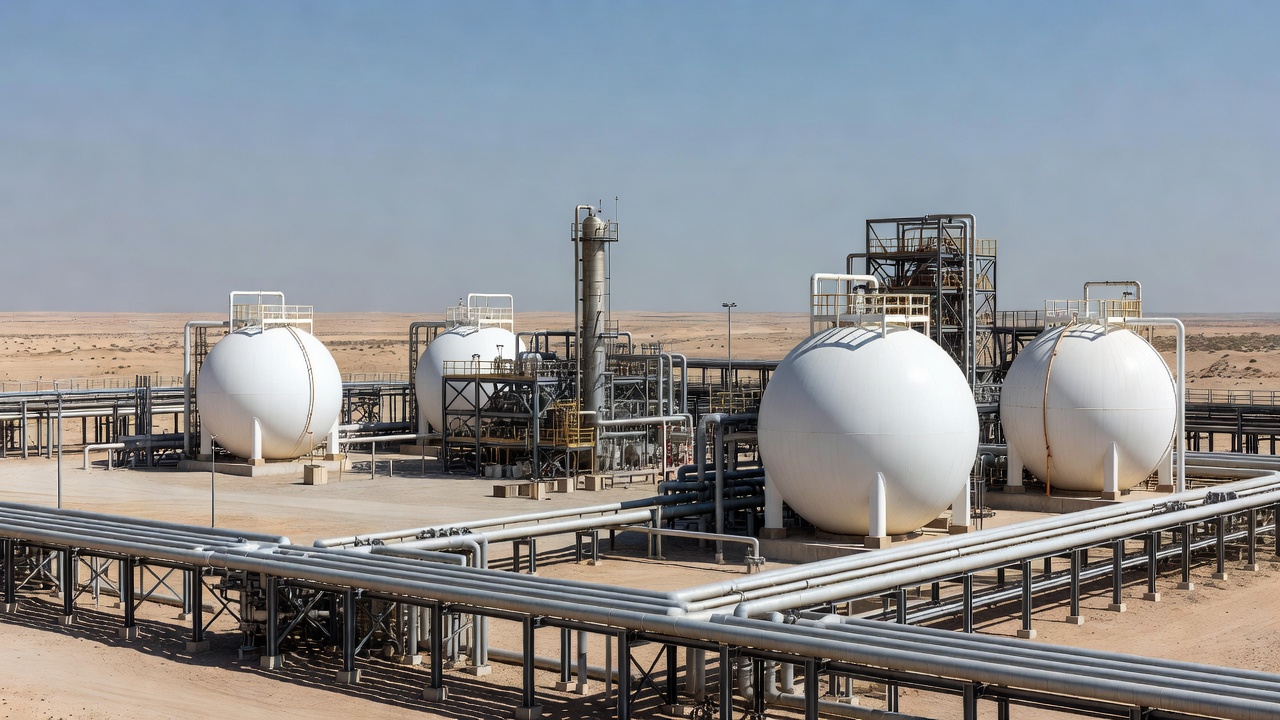
  • شركة البترول الكويتية ترفع أسعار الغاز البترولي المسال لأغسطس إلى 620 دولاراً للبروبان و640 دولاراً للبيوتان

    شركة البترول الكويتية ترفع أسعار الغاز البترولي المسال لأغسطس إلى 620 دولاراً للبروبان و640 دولاراً للبيوتان

    حددت شركة البترول الكويتية أسعار الغاز البترولي المسال لشهر أغسطس عند 620 دولار للطن المتري من البروبان و640 دولار للطن المتري من البيوتان، بحسب ما أوردته الشركة في بيان أرسلته إلى وكالة الأنباء الكويتية. وأصدرت المؤسسة هذا التحديث في 30 يوليو على أن تظل الأسعار سارية طيلة الشهر. وتشكل هذه الأرقام ارتفاعاً عن مستويات يوليو البالغة 580 دولاراً للطن المتري للبروبان و600 دولار للبيوتان، وفق إعلان سابق للشركة نقلته كونا في 30 يونيو. ووصفت الشركة البروبان والبيوتان بأنهما مكونان أساسيان في جدول تسعير الغاز البترولي المسال الشهري.

    وأوضحت الشركة في بيانها أن البروبان والبيوتان يشكلان مواد أولية رئيسية لصناعة البتروكيماويات ويُستخدمان أيضاً وقوداً للطبخ والتدفئة وتطبيقات أخرى. وتدعم هذه المنتجات المعالجة الصناعية واحتياجات الطاقة المنزلية في قطاعات متعددة. وتتولى شركة البترول الكويتية إدارة أنشطة الهيدروكربونات في البلاد سواء في الإنتاج أو التكرير بما في ذلك إنتاج وتسويق هذه الغازات.

    وتتأثر أسعار الغاز البترولي المسال بتقلبات مؤشرات النفط العالمية إلى جانب تغيرات العرض والطلب في السوق وعوامل أخرى، بحسب البيان. وأشار تقرير صادر عن Procurement Resource في 23 يوليو إلى أن الأسعار الدولية للغاز البترولي المسال قفزت في مايو 2026 وسط الأزمة في غرب آسيا مع مكاسب إ tambافية بنسبة 4% مرتبطة بالاضطرابات الإقليمية. ولفت التقييم إلى أن الأسعار سجلت حركة مختلطة في الربع الثاني حيث تعززت في آسيا بفعل مشكلات الاستيراد فيما تراجعت في أوروبا نتيجة انخفاض التكاليف المرتبطة بالخام.

    وكانت الشركة قد حددت في وقت سابق من العام أسعار مايو عند 750 دولاراً للطن المتري للبروبان و800 دولار للبيوتان، بحسب ما أظهره تقرير لجريدة كويت تايمز حول الإعلان الصادر في الأول من مايو. وتعكس الحركة من هذه الذروات الربيعية مروراً بيوليو وصولاً إلى أغسطس حالة التقلب المستمرة المرتبطة بالعوامل الجيوسياسية والموسمية. وأرجع تحليل اتجاهات السوق الصادر عن أرغوس ميديا في يناير 2026 أنماطاً مشابهة إلى قوة أسعار الخام والنافثا التي دعمت قيم الغاز البترولي المسال في فترات معينة.

    وساهم نمو الإنتاج في الشرق الأوسط في بناء مخزونات قد تعمل على كبح ارتفاعات الأسعار لاحقاً في 2026، بحسب توقعات أرغوس ميديا. وفي الوقت نفسه أبقى نمو الطلب الضعيف في آسيا الغاز البترولي المسال ضعيفاً نسبياً أمام النافثا في التوقعات المستقبلية. وتمثل الإصدارات الشهرية المنتظمة لشركة البترول الكويتية مرجعاً ثابتاً للمشترين ومُشغّلي البتروكيماويات الذين يتابعون هذه التأثيرات الدولية.

    ويتوافق إعلان الشركة مع ممارستها الراسخة في تعديل أسعار التصدير وفق الظروف السائدة في السوق كل شهر. وقد وزعت كونا بيانات مماثلة صادرة عن الشركة في فترات سابقة منها إصدار ديسمبر 2025 الذي حدد أسعار يناير 2026. وتساعد هذه التحديثات الأطراف المعنية في تجارة الغاز البترولي المسال العالمية على توقع تكاليف شراء المواد الأولية والوقود.

  • KPC Raises August LPG Prices to $620 for Propane and $640 for Butane

    KPC Raises August LPG Prices to $620 for Propane and $640 for Butane

    Kuwait Petroleum Corporation set August prices for liquefied petroleum gas at $620 per metric ton for propane and $640 per metric ton for butane, the state producer said in a statement to the Kuwait News Agency. The corporation issued the update on July 30, with the rates scheduled to remain in effect for the full month. These figures mark a rise from July levels of $580 per metric ton for propane and $600 per metric ton for butane, according to a KPC announcement carried by KUNA on June 30. The corporation described propane and butane as essential components in its monthly LPG pricing schedule.

    Propane and butane function as key feedstocks for the petrochemical industry while also serving as fuels for cooking, heating and additional applications, KPC said in the statement. The products support both industrial processing and household energy needs across multiple sectors. Kuwait Petroleum Corporation manages the country’s upstream and downstream hydrocarbon activities, including the production and marketing of such gases.

    LPG prices respond to fluctuations in global oil benchmarks in addition to shifts in market supply and demand along with other variables, according to the KPC statement. A Procurement Resource report dated July 23 detailed how international LPG prices surged in May 2026 amid the West Asia crisis, with further 4 percent gains tied to regional disruptions. The assessment noted that prices moved mixed in the second quarter, strengthening in Asia due to import issues while easing in Europe on lower crude-linked costs.

    Earlier in the year, KPC had placed May prices at $750 per metric ton for propane and $800 per metric ton for butane, a Kuwait Times report on the May 1 announcement showed. The movement from those spring highs through July and into August illustrates ongoing volatility linked to geopolitical and seasonal factors. Argus Media’s January 2026 market trends analysis attributed similar patterns to stronger crude and naphtha prices that supported LPG values in certain periods.

    Growing production across the Middle East has contributed to inventory builds that could temper price gains later in 2026, the Argus Media outlook indicated. At the same time, muted demand growth in Asia has kept LPG relatively weak against naphtha in forward projections. Kuwait Petroleum Corporation’s regular monthly releases provide a consistent reference point for buyers and petrochemical operators tracking these international influences.

    The corporation’s announcement aligns with its established practice of adjusting export prices in line with prevailing market conditions each month. KUNA has distributed comparable statements from KPC for prior periods, including the December 2025 release that set January 2026 rates. Such updates help participants in the global LPG trade anticipate costs for feedstock and fuel purchases.

  • وزارة التجارة الكويتية تفرض مهلات مدتها 15 يوماً لسجلات المالكين المستفيدين

    وزارة التجارة الكويتية تفرض مهلات مدتها 15 يوماً لسجلات المالكين المستفيدين

    أصدر وزير التجارة والصناعة أسامة خالد بوداي القرار الوزاري رقم 156/2026 في 30 يوليو 2026، معدلاً بذلك القرار الوزاري رقم 4/2023 المتعلق بإجراءات تحديد المالكين المستفيدين للشركات، بحسب ما أوردته جريدة «العرب تايمز». ويحل القرار الجديد محل الأحكام الواردة في المواد 8 و9 و11 من النص السابق، ويتطلب من الكيانات القانونية إنشاء سجل خاص يحتوي على معلومات المالكين المستفيدين خلال 15 يوماً من تاريخ نفاذ القرار أو من تاريخ تأسيس الكيان. ويجب على الشركات تحديث السجل وتسجيل أي تغييرات خلال 15 يوماً من علمها بها أو من التاريخ الذي كان ينبغي أن تعلم فيه بالتعديلات.

    ويلزم القرار أي مدير أو عضو في مجلس الإدارة يعمل كمرشح بإخطار الكيان القانوني بهذه الصفة وتقديم التفاصيل المطلوبة خلال 15 يوماً من اكتسابه هذه الصفة، وفقاً لتوجيه الوزارة الذي نقلته «العرب تايمز». أما الأفراد الذين تولوا أدوار المرشحين قبل نشر القرار فيحصلون على مهلة 15 يوماً من تاريخ صدوره لتقديم الإخطار. كما يتعين على الكيانات القانونية تسليم سجل المالكين المستفيدين مع سجلات الشركاء والمساهمين إلى الجهة المختصة بالتسجيل خلال 15 يوماً من تاريخ نفاذ القرار أو من تاريخ الترخيص والتسجيل.

    وتطالب الكيانات باتخاذ التدابير اللازمة لحفظ هذه السجلات وحمايتها من التلف أو الفقدان أو الإتلاف، كما جاء في نص القرار. وأكدت وزارة التجارة والصناعة أن القرار يبدأ سريانه من تاريخ صدوره في 30 يوليو 2026، وسيتم نشره في الجريدة الرسمية. وقد كلفت الجهات المعنية بتنفيذ أحكامه.

    ويستمر هذا التعديل في فرض المتطلبات التي أدخلها القرار الصادر عام 2023، حين اضطرت الكيانات المشمولة إلى إعداد وصيانة وتقديم سجلات المالكين المستفيدين والمساهمين والمديرين المرشحين بحلول 30 مايو 2023، بحسب تقييم عالمي أجرته بي دي أو. وكان القرار الوزاري رقم 37 لعام 2026 الذي صدر في أبريل قد ربط الإفصاح الدقيق عن المالكين المستفيدين بإصدار وتجديد الترخيص التجاري، مع فرض غرامات إدارية تتراوح بين 1000 و10000 دينار كويتي عند عدم الامتثال أو وجود معلومات غير دقيقة، وفق تحديث صادر عن ديلويت الشرق الأوسط. ويدعم هذا الإطار المعايير الدولية للشفافية المؤسسية في مختلف أنحاء منطقة الخليج.

    وألغت وزارة التجارة تراخيص 516 شركة بسبب تقصير في التقارير المالية، بحسب ما أوردته «العرب تايمز» في إطار الإجراءات التنفيذية المستمرة. وتشير بيانات الهيئة العامة للمعلومات المدنية إلى أن إجمالي سكان الكويت يقارب 4.9 مليون نسمة، حيث يشكل المغتربون الأغلبية في القوى العاملة التي تدعم قطاعاً تجارياً يضم آلاف الكيانات المسجلة. وشدد فصل في تقرير لصندوق النقد الدولي (IMF) حول تنفيذ آليات المالكين المستفيدين على أهمية أن تحدد الدول إطارات زمنية واضحة لتحديث هذه المعلومات لتتوافق مع توصيات مجموعة العمل المالي (FATF).

    تواجه الكيانات القانونية العاملة في الكويت الآن مهلات امتثال أقصر مقارنة بالفترات السماح الأولية التي منحت في 2023، كما تظهر القرارات المتتالية. ويعكس نهج الوزارة نمطاً من تشديد الرقابة على السجلات المؤسسية لسد الثغرات التنظيمية التي رُصدت في السنوات الماضية. ويجب على الشركات الراغبة في تجديد التراخيص أو إجراء تغييرات هيكلية أن تتأكد من أن تقديماتها تلبي الحدود الزمنية المحددة بـ15 يوماً الواردة في النص الأخير.

  • Kuwait Commerce Ministry Imposes 15-Day Deadlines for Beneficial Ownership Registers

    Kuwait Commerce Ministry Imposes 15-Day Deadlines for Beneficial Ownership Registers

    Minister of Commerce and Industry Osama Khaled Boodai issued Ministerial Resolution No. 156/2026 on July 30, 2026, amending Ministerial Resolution No. 4/2023 on procedures for identifying beneficial owners of companies, the Arab Times reported. The new resolution replaces provisions in Articles 8, 9 and 11 of the earlier text and requires legal entities to establish a special register with beneficial ownership information within 15 days of the effective date or from the entity’s establishment. Companies must update the register and record any changes within 15 days of becoming aware of them or from the date they should have known about the alterations.

    The resolution further obliges any director or board member acting as a nominee to notify the legal entity of that status and provide required details within 15 days of acquiring the capacity, according to the ministry directive reported by the Arab Times. Individuals who assumed nominee roles before the resolution’s publication receive a 15-day window from its release to submit the notification. Legal entities must also deliver the beneficial owner register along with partner and shareholder records to the relevant registry within 15 days from the resolution’s effective date or from licensing and registration.

    Entities are required to take necessary measures to maintain and protect these records from damage, loss or destruction, the resolution stated. The Ministry of Commerce and Industry confirmed that the decision takes effect from its issuance date of July 30, 2026, and will be published in the official gazette. Relevant authorities have been tasked with implementing the provisions.

    This amendment continues requirements introduced under the 2023 resolution, when covered entities had to prepare, maintain and file registers of beneficial owners, shareholders and nominee directors by May 30, 2023, a BDO global assessment found. Ministerial Resolution No. 37 of 2026, issued in April, linked accurate beneficial ownership disclosure to commercial license issuance and renewal while setting administrative fines between KD 1,000 and KD 10,000 for non-compliance or inaccuracies, according to a Deloitte Middle East update. The framework supports international standards for corporate transparency across the Gulf region.

    The Commerce Ministry canceled the licenses of 516 companies over financial reporting lapses, the Arab Times reported in connection with ongoing enforcement actions. Public Authority for Civil Information data places Kuwait’s total population near 4.9 million, with expatriates forming the majority of the workforce that supports a corporate sector comprising thousands of registered entities. An International Monetary Fund chapter on beneficial ownership implementation stressed that countries must establish clear time frames for updating such information to align with Financial Action Task Force recommendations.

    Legal entities operating in Kuwait now face shortened compliance windows compared with initial grace periods granted in 2023, the successive resolutions show. The ministry’s approach reflects a pattern of tightening oversight on corporate records to address regulatory gaps identified in prior years. Companies seeking license renewals or structural changes must ensure their submissions meet the 15-day thresholds outlined in the latest text.

  • شركة نفط الكويت تحفر بئراً رئيسياً لاستغلال موارد جوراسية غير تقليدية في الحقل الشمالي

    شركة نفط الكويت تحفر بئراً رئيسياً لاستغلال موارد جوراسية غير تقليدية في الحقل الشمالي

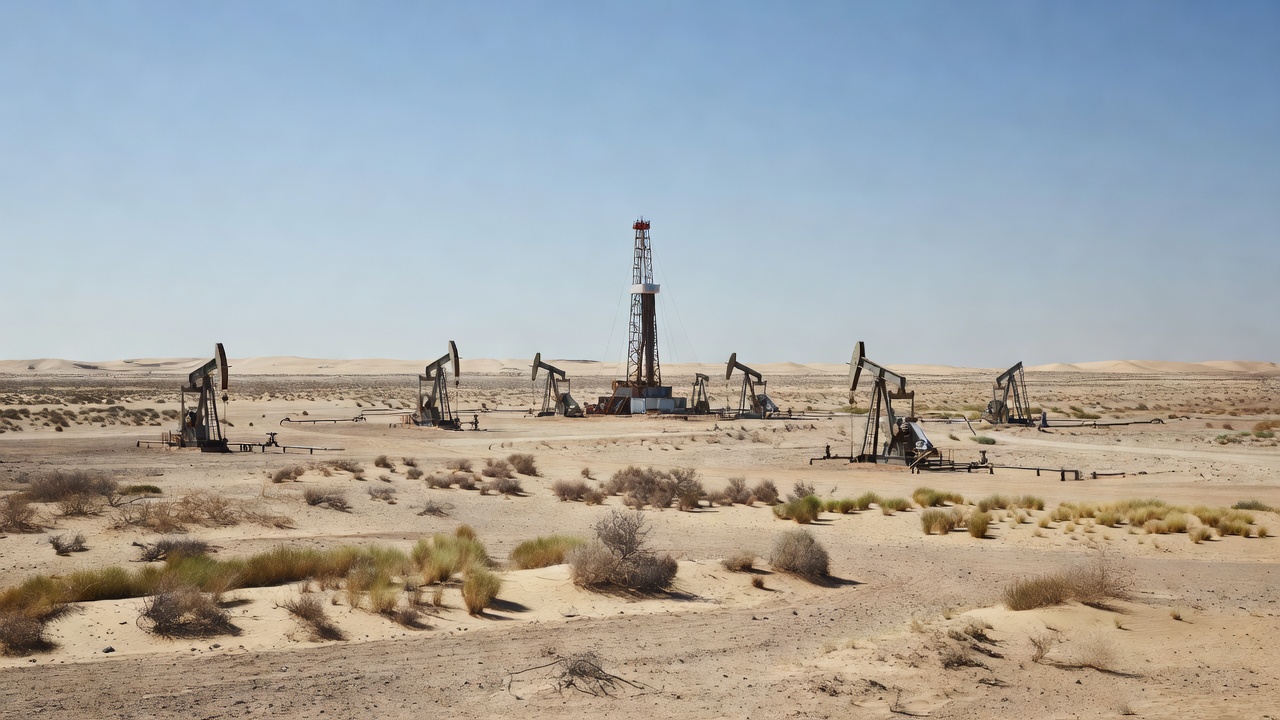
    ذكرت جريدة عرب تايمز في 31 يوليو أن شركة نفط الكويت أنهت مؤخراً المرحلة الأولى من مشروع خزاناتها الجوراسية غير التقليدية. وتركز الجهد على حفر البئر الاستكشافي SA1029 بنجاح في حقل الصبية شمال الكويت. وقالت مصادر تحدثت إلى الصحيفة إن العمل أثبت إمكانية إنتاج الهيدروكربونات من خزان الكيروجين، الذي يُعد المصدر الرئيسي للنفط والغاز الموجودين في التكوينات الجوراسية الأعمق. وأضافت المصادر أن النتيجة أكدت الجدوى الاقتصادية لمواصلة الاستثمار في مثل هذه الأنشطة الاستكشافية في أنحاء البلاد.

    ويُعد حقل الصبية من أكبر الحقول في شمال الكويت، وهو ما يبرز دوره الاستراتيجي في الإنتاج الوطني بحسب المصادر ذاتها. وتمثل هذه الخطوة الأخيرة تقدماً يتجاوز الاعتماد على الخزانات التقليدية نحو تكوينات عميقة أكثر تعقيداً تتطلب أساليب متخصصة. وتشمل هذه التقنيات التصديع الهيدروليكي متعدد المراحل إلى جانب الحفر الأفقي الممتد، كما شرحت المصادر في إحاطتها للصحيفة.

    وتشمل تجربة شركة نفط الكويت في المنطقة اكتشاف النفط الخفيف الممتاز في حقل الصبية عام 2005، وهو حدث وثقته الشركة نفسها على أنه نقلة نوعية في قدراتها الاستكشافية. وشمل ذلك الاكتشاف نفطاً بدرجة API 52، ما مهد الطريق للأعمال الجوراسية اللاحقة. وأقيمت حفل افتتاح منشأة إنتاج نفط وغاز جوراسية سابقة في الصبية عام 2018 تحت إشراف مؤسسة البترول الكويتية، مع توقعات أولية بإنتاج 500 مليون قدم مكعب يومياً من الغاز الحر، كما أفادت الشركة حينها.

    وتشير بيانات معهد بيكر الصادرة في مارس 2026 إلى أن إنتاج الكويت من الغاز غير المصاحب في الحقول الجوراسية الشمالية بلغ أقل بقليل من 700 مليون قدم مكعب يومياً حتى عام 2025، مع توقعات تصل إلى 720 مليون قدم مكعب يومياً في 2026 وذروة نهائية تبلغ 900 مليون. وأشار المعهد إلى أن البلاد زادت إنتاجها الجوراسي بمقدار 110 مليار قدم مكعب في 2024 ضمن جهود تلبية الطلب المحلي الذي بلغ 2.4 مليار قدم مكعب يومياً في العام نفسه. وتسلط هذه الأرقام الضوء على المساهمة المتزايدة لهذه الموارد وسط أهداف أوسع لرفع الطاقة النفطية الإجمالية إلى 4 ملايين برميل يومياً بحلول 2035.

    وسجل دليل ليغال 500 للطاقة في الكويت الذي نشر عام 2026 أن إنتاج البلاد من الغاز الطبيعي بلغ مستوى قياسياً قدره 2.07 مليار قدم مكعب يومياً خلال 2025، حيث شكلت التطورات غير التقليدية والجوراسية مكوناً رئيسياً. وأشار الدليل إلى دخول حقل المطربة في شمال غرب الكويت مرحلة الإنتاج التجاري في يونيو 2025 كإنجاز آخر في التعامل مع الخزانات ذات التعقيد الجيولوجي التي تمتد على مساحة تزيد عن 230 كيلومتراً مربعاً. وتواصل شركة نفط الكويت تنفيذ مشاريع مماثلة لضمان إمدادات طويلة الأجل من الغاز الحر والنفط الخفيف عالي القيمة، كما أبلغت المصادر جريدة عرب تايمز.

    وتوقع تقرير موردور إنتليجنس نمو سوق النفط والغاز في الكويت من 32.39 مليار دولار في 2026 إلى 40.83 مليار دولار بحلول 2031، بمعدل نمو سنوي مركب قدره 4.74 بالمئة، مدفوعاً جزئياً بالاستثمارات في المنبع في الخزانات الضيقة. وأبرزت الشركة الاستشارية أن حقول شمال الكويت، بما فيها الصبية، ساهمت بين 400 ألف و500 ألف برميل يومياً في 2025، في حين تتطلب حفراً إضافياً سنوياً لمواجهة معدلات الانخفاض الطبيعي التي تتراوح بين 4 و6 بالمئة. وتتماشى هذه الديناميكيات مع الدفع الاستراتيجي الذي وصفته المصادر لإكمال المراحل المتبقية من المبادرة الجوراسية.

  • Kuwait Oil Company Drills Key Well to Tap Unconventional Jurassic Resources in North Field

    Kuwait Oil Company Drills Key Well to Tap Unconventional Jurassic Resources in North Field

    Arab Times reported on July 31 that Kuwait Oil Company recently wrapped up the initial phase of its unconventional Jurassic reservoirs project. The effort centered on the successful drilling of the SA1029 exploratory oil well in the Sabriya field of North Kuwait. Sources who spoke to the newspaper said the work established that hydrocarbons could be produced from the kerogen reservoir, identified as the main origin of oil and gas found in deeper Jurassic formations. The sources added that the outcome validated the economic case for continued investment in such exploration activities across the country.

    The Sabriya field counts among the largest in North Kuwait, a designation that underscores its strategic role in national output, according to the same sources. This latest step marks an advance beyond dependence on conventional reservoirs toward more complex deep formations that demand specialized methods. Those techniques encompass multi-stage hydraulic fracturing together with extended horizontal drilling, the sources explained in their briefing to the publication.

    Kuwait Oil Company’s history in the area includes the 2005 discovery of premium light crude in the Sabriya field, an event the company itself documented as a major leap in its exploration capabilities. That find involved API 52-grade oil, which set the stage for later Jurassic work. An inauguration ceremony for an earlier Jurassic oil and gas production facility in Sabriya took place in 2018 under Kuwait Petroleum Corporation oversight, with initial projections for 500 million cubic feet per day of free gas output, the company stated at the time.

    Baker Institute data from March 2026 places Kuwait’s non-associated gas production from northern Jurassic fields at just under 700 million cubic feet per day as of 2025, with forecasts for 720 million cubic feet daily in 2026 and an eventual peak of 900 million. The institute noted that the country expanded Jurassic production by 110 billion cubic feet in 2024 as part of efforts to meet domestic demand that reached 2.4 billion cubic feet per day the same year. Such figures highlight the growing contribution of these resources amid broader targets to lift total oil capacity to 4 million barrels per day by 2035.

    A Legal 500 country guide on Kuwait energy published in 2026 recorded national natural gas output hitting a record 2.07 billion cubic feet per day during 2025, with unconventional and Jurassic developments forming a key component. The guide pointed to the Mutriba field in Northwest Kuwait entering commercial production in June 2025 as another milestone in handling geologically complex reservoirs spanning more than 230 square kilometers. Kuwait Oil Company continues to pursue similar projects to secure long-term supplies of free gas and high-value light oil, the sources told Arab Times.

    Mordor Intelligence projected the Kuwait oil and gas market to expand from $32.39 billion in 2026 to $40.83 billion by 2031 at a compound annual growth rate of 4.74 percent, driven in part by upstream investments in tight reservoirs. The consultancy highlighted that North Kuwait fields, including Sabriya, contributed 400,000 to 500,000 barrels per day in 2025 while requiring annual infill drilling to counter natural decline rates of 4 to 6 percent. These dynamics align with the strategic push described by sources for completing remaining phases of the Jurassic initiative.

  • إيران تستلم جثامين خمسة من أعضاء قوة القدس في الحرس الثوري قتلوا في ضربات جوية بالعراق

    إيران تستلم جثامين خمسة من أعضاء قوة القدس في الحرس الثوري قتلوا في ضربات جوية بالعراق

    أفادت وكالة أنباء ميزان التابعة للسلطة القضائية الإيرانية في 31 يوليو 2026 بوصول نعوش مغطاة بالأعلام لخمسة أعضاء في الحرس الثوري الإسلامي إلى معبر مهران الحدودي قادمة من العراق. ونشرت الوكالة صوراً لعملية إعادة الجثامين لكنها لم تكشف أسماء القتلى أو تتطرق إلى التناقض مع الروايات الإيرانية السابقة التي أشارت إلى أربعة قتلى فقط. وكانت القيادة المركزية الأمريكية والمسؤولون السعوديون قد أعلنوا عن ضربات منسقة قبل ثلاثة أيام على مواقع مرتبطة بجماعات مسلحة موالية لإيران تنشط في شرق العراق.

    وحددت وسائل إعلام إيرانية في وقت سابق أربعة من القتلى وهم علي أصغر آستانة وأبو الفضل مطيعي ومرتضى أكبري وأمير عباس درهم فروش ووصفتهم بأنهم أعضاء في قوة القدس. وقال نائب محافظ في محافظة مركزي لوسائل الإعلام الرسمية إن الرجال كانوا مكلفين بمهام أمنية مرتبطة بتحضيرات زيارة الأربعين التي يتوجه إليها ملايين الشيعة سنوياً إلى كربلاء في العراق. ولم تتطرق التقارير الإيرانية إلى المهام الدقيقة أو الارتباطات القيادية التي وضعت المجموعة قرب المواقع المستهدفة في محافظة ديالى.

    وأوضحت القيادة المركزية الأمريكية أن ضربات 28 يوليو استهدفت مواقع لوجستية ومخازن أسلحة يديرها الحرس الثوري رداً على أكثر من 30 هجوماً بطائرات مسيرة على قوات أمريكية وبنى تحتية سعودية للطاقة خلال 72 ساعة سابقة. وأكدت القوات المسلحة السعودية مشاركتها في العملية التي شملت عدة محافظات بشرق العراق. وتقدر القيادة المركزية أن الحملة التي شنتها الميليشيات الموالية لإيران تجاوزت 600 محاولة استهدفت أفراداً ومنشآت أمريكية في العراق من فبراير حتى أبريل 2026.

    وأعلنت قوات الحشد الشعبي العراقي التي تضم العديد من الفصائل المدعومة إيرانياً ضمن أجهزة الأمن الحكومية أن الضربات أسفرت عن مقتل 20 من عناصرها على الأقل وإصابة 32 آخرين. وقال متحدث إعلامي باسم الحشد إن الإيرانيين الموجودين في المواقع دخلوا العراق كحجاج وليس كمقاتلين أو مستشارين. ولم يتم تسوية التباين بين حصيلة القتلى الإيرانية والحصيلة العراقية الأوسع من أي طرف.

    وكشف تحقيق أجرته رويترز في يونيو 2026 استناداً إلى ثمانية مصادر عراقية أن الحرس الثوري أنشأ ثلاثاً أو أربع خلايا سرية في العراق تضم كل منها نحو عشرة مقاتلين نخبة لتنفيذ عمليات بطائرات مسيرة ضد الكويت والسعودية والإمارات. وعملت تلك الخلايا من مناطق صحراوية قرب البصرة والسماوة بين 20 أبريل و17 مايو متجاوزة شبكات الميليشيات المعروفة لتجنب الكشف. ونفى مسؤولون عراقيون وجود مثل هذه الهياكل المستقلة للحرس الثوري على أراضيهم.

    ولا يوجد دليل مستقل يربط بين الأعضاء الخمسة في الحرس الثوري الذين أعيدت جثامينهم وبين حملة الطائرات المسيرة أو المشاركة المباشرة في الهجمات على أهداف أمريكية أو سعودية وفق التقارير الإيرانية والدولية. ولم تفصل أي رواية رسمية الأنشطة الدقيقة لمستشاري قوة القدس وقت وقوع الضربات. ويبرز الحادث استمرار الوجود الاستشاري الإيراني في العراق بعد أكثر من عقدين على الغزو الذي أطاح بصدام حسين عام 2003.

  • Iran Repatriates Five IRGC Quds Force Members Killed in Iraq Airstrikes

    Iran Repatriates Five IRGC Quds Force Members Killed in Iraq Airstrikes

    Iran’s judiciary-affiliated Mizan news agency reported on July 31, 2026 that the flag-draped coffins of five Islamic Revolutionary Guard Corps members arrived at the Mehran border crossing from Iraq. The agency distributed photographs of the repatriation but declined to name the deceased or address the inconsistency with earlier Iranian accounts that listed only four fatalities. US Central Command and Saudi officials had announced coordinated strikes three days earlier on positions linked to Iran-aligned armed groups operating in eastern Iraq.

    Earlier Iranian media identified four of those killed as Ali Asghar Astaneh, Abolfazl Motaghi, Morteza Akbari and Amir Abbas Derhamforoush, describing them as Quds Force members. A deputy governor in Iran’s Markazi province told state media the men had been assigned to security duties connected to preparations for the Arbaeen pilgrimage that annually draws millions of Shia devotees to Karbala in Iraq. Iranian reports have not elaborated on the precise assignments or command relationships that placed the group in the vicinity of the targeted sites in Diyala province.

    U.S. Central Command stated that the July 28 strikes hit multiple terrorist logistics and weapons sites directed by the IRGC in retaliation for more than 30 drone attacks on US forces and Saudi energy infrastructure during the preceding 72 hours. Saudi Arabia’s armed forces confirmed their participation in the operation, which extended across several provinces in eastern Iraq. Central Command assessments placed the broader campaign by Iran-aligned militias at more than 600 attempted attacks on US personnel and facilities in Iraq from February through April 2026.

    Iraq’s Popular Mobilization Forces, which incorporate many Iran-backed factions into the state’s security apparatus, reported that the strikes killed at least 20 of their members and wounded 32 others. A PMF media spokesman told reporters that Iranians present at the locations had entered the country as pilgrims rather than as fighters or advisers. The discrepancy between the Iranian death toll and the wider Iraqi casualty count has not been reconciled by either side.

    A June 2026 Reuters investigation citing eight Iraqi sources found that the IRGC had established three or four covert cells in Iraq, each with about 10 elite fighters, to conduct drone operations against Kuwait, Saudi Arabia and the United Arab Emirates. Those cells reportedly operated from desert areas near Basra and Samawa between April 20 and May 17, bypassing established militia networks to avoid detection. Iraqi officials have denied the existence of such independent IRGC structures on their territory.

    No independent evidence has connected the five repatriated IRGC members to the drone campaign or to direct participation in attacks on US or Saudi targets, according to both Iranian and international reporting. The precise activities of the Quds Force advisers at the time the strikes occurred have not been detailed by any official account. The episode underscores the continued Iranian advisory presence in Iraq more than two decades after the 2003 invasion that toppled Saddam Hussein.

  • السلطات الكويتية تغلق مباني سكنية مخالفة في جليب الشيوخ مع انتقال الازدحام إلى المناطق المجاورة

    السلطات الكويتية تغلق مباني سكنية مخالفة في جليب الشيوخ مع انتقال الازدحام إلى المناطق المجاورة

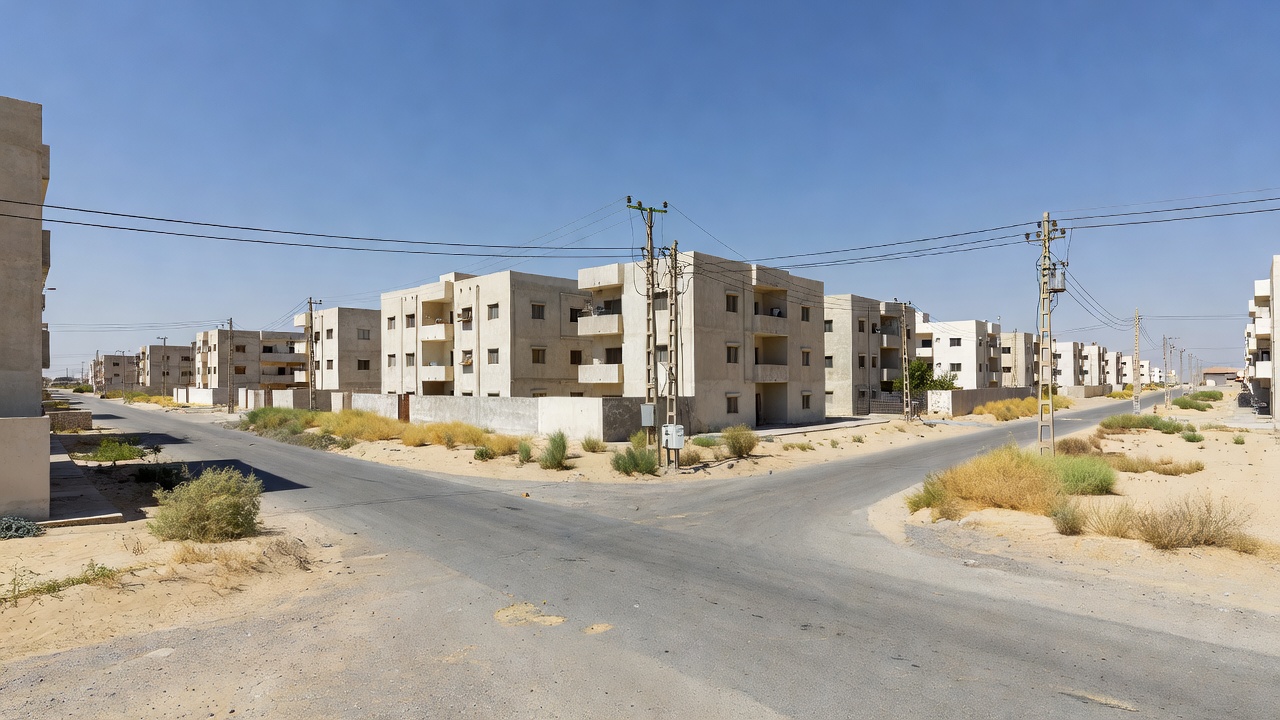
    أغلقت السلطات عدة مبانٍ سكنية مخالفة في منطقة الحساوي بجليب الشيوخ بعد تحذيرات استمرت قرابة عامين بشأن تدهور الأوضاع والازدحام الذي يهدد السلامة. وشملت الإجراءات التنفيذية قطع الكهرباء وسائر المرافق لإجبار السكان على مغادرة العقارات الخطرة، فيما كشفت العمليات عن مخالفات تجارية وأخرى تتعلق بسلامة الغذاء أدت إلى إغلاق مئات المحلات. وتأتي الحملة ضمن جهد منسق يضم 11 جهة حكومية لتعزيز الأمن ومعالجة الانتهاكات المتعلقة بالمباني والسلامة العامة.

    لطالما جذب العمال الوافدون ذوو الدخل المحدود هذه المنطقة بفضل السكن الرخيص الذي يتيح لهم زيادة التحويلات المالية إلى أسرهم في الخارج. وقد أدام هذا الخيار دورة يتقاسم فيها الغرف ما بين ثمانية و10 أشخاص، وبعض العقارات تعرض أسرّة بـ40 إلى 50 ديناراً كويتياً شهرياً، وهو ما يتجاوز بكثير حدود الإشغال الآمن. وأشار التقرير إلى أن كثيراً من المستأجرين ظلوا يعيشون في هذه الظروف المتدنية دون أن يعلموا بصدور تحذيرات للملاك والمشرفين الذين لم يبلغوهم بها.

    وانتقل السكان المُخلون من المباني المغلقة إلى مناطق مجاورة بدأ فيها ازدحام مماثل بالظهور داخل أحياء مكتظة أصلاً. ووصفت مصادر مطلعة الغرف المصممة أساساً لعدد أقل من السكان وهي الآن تأوي عدداً إضافياً من الأشخاص، في نمط متكرر يزيد الضغط على البنية التحتية المحلية. وقامت السلطات الكويتية بتوفير ملاجئ مؤقتة مزودة بالخدمات الأساسية للمتضررين لتلبية الاحتياجات الإنسانية العاجلة الناجمة عن عمليات الإخلاء.

    وأشرف النائب الأول لرئيس الوزراء ووزير الداخلية الشيخ فهد اليوسف الصباح على جوانب من الحملة الأمنية الكبرى التي استهدفت المباني غير الآمنة والأعمال غير القانونية ومخالفي الإقامة. كما شرعت البلدية في هدم 42 منشأة غير آمنة في جليب الشيوخ ضمن الإجراءات المستمرة ضد العقارات المتداعية. وأوضحت إعلانات البلدية تلك الخطوات لإزالة المخاطر في المنطقة.

    وتعاني جليب الشيوخ منذ سنوات من تراكم المخالفات بما في ذلك التعديلات غير القانونية والإسكان المزدحم، الأمر الذي دفع إلى الاستجابة الجماعية الأخيرة. وتقدر الهيئة العامة للمعلومات المدنية عدد الوافدين بنحو 3.3 مليون نسمة، أي أكثر من ثلثي إجمالي السكان، مما يرفع الطلب على الوحدات الميسورة. ويواصل المسؤولون مراقبة مبانٍ إضافية يُشتبه في تجاوزها حدود الإشغال أو عدم الالتزام بمعايير الصيانة للحد من المخالفات الجديدة.