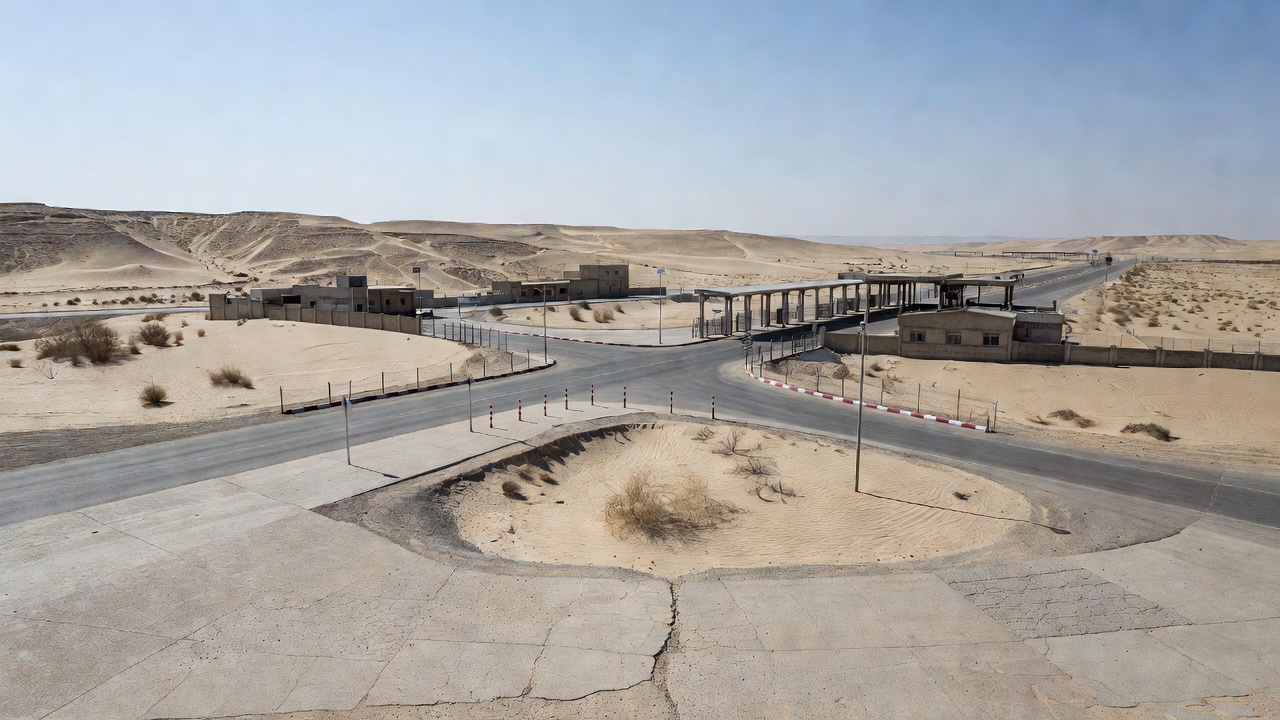
Iran’s judiciary-affiliated Mizan news agency reported on July 31, 2026 that the flag-draped coffins of five Islamic Revolutionary Guard Corps members arrived at the Mehran border crossing from Iraq. The agency distributed photographs of the repatriation but declined to name the deceased or address the inconsistency with earlier Iranian accounts that listed only four fatalities. US Central Command and Saudi officials had announced coordinated strikes three days earlier on positions linked to Iran-aligned armed groups operating in eastern Iraq.
Earlier Iranian media identified four of those killed as Ali Asghar Astaneh, Abolfazl Motaghi, Morteza Akbari and Amir Abbas Derhamforoush, describing them as Quds Force members. A deputy governor in Iran’s Markazi province told state media the men had been assigned to security duties connected to preparations for the Arbaeen pilgrimage that annually draws millions of Shia devotees to Karbala in Iraq. Iranian reports have not elaborated on the precise assignments or command relationships that placed the group in the vicinity of the targeted sites in Diyala province.
U.S. Central Command stated that the July 28 strikes hit multiple terrorist logistics and weapons sites directed by the IRGC in retaliation for more than 30 drone attacks on US forces and Saudi energy infrastructure during the preceding 72 hours. Saudi Arabia’s armed forces confirmed their participation in the operation, which extended across several provinces in eastern Iraq. Central Command assessments placed the broader campaign by Iran-aligned militias at more than 600 attempted attacks on US personnel and facilities in Iraq from February through April 2026.
Iraq’s Popular Mobilization Forces, which incorporate many Iran-backed factions into the state’s security apparatus, reported that the strikes killed at least 20 of their members and wounded 32 others. A PMF media spokesman told reporters that Iranians present at the locations had entered the country as pilgrims rather than as fighters or advisers. The discrepancy between the Iranian death toll and the wider Iraqi casualty count has not been reconciled by either side.
A June 2026 Reuters investigation citing eight Iraqi sources found that the IRGC had established three or four covert cells in Iraq, each with about 10 elite fighters, to conduct drone operations against Kuwait, Saudi Arabia and the United Arab Emirates. Those cells reportedly operated from desert areas near Basra and Samawa between April 20 and May 17, bypassing established militia networks to avoid detection. Iraqi officials have denied the existence of such independent IRGC structures on their territory.
No independent evidence has connected the five repatriated IRGC members to the drone campaign or to direct participation in attacks on US or Saudi targets, according to both Iranian and international reporting. The precise activities of the Quds Force advisers at the time the strikes occurred have not been detailed by any official account. The episode underscores the continued Iranian advisory presence in Iraq more than two decades after the 2003 invasion that toppled Saddam Hussein.
Добавить комментарий