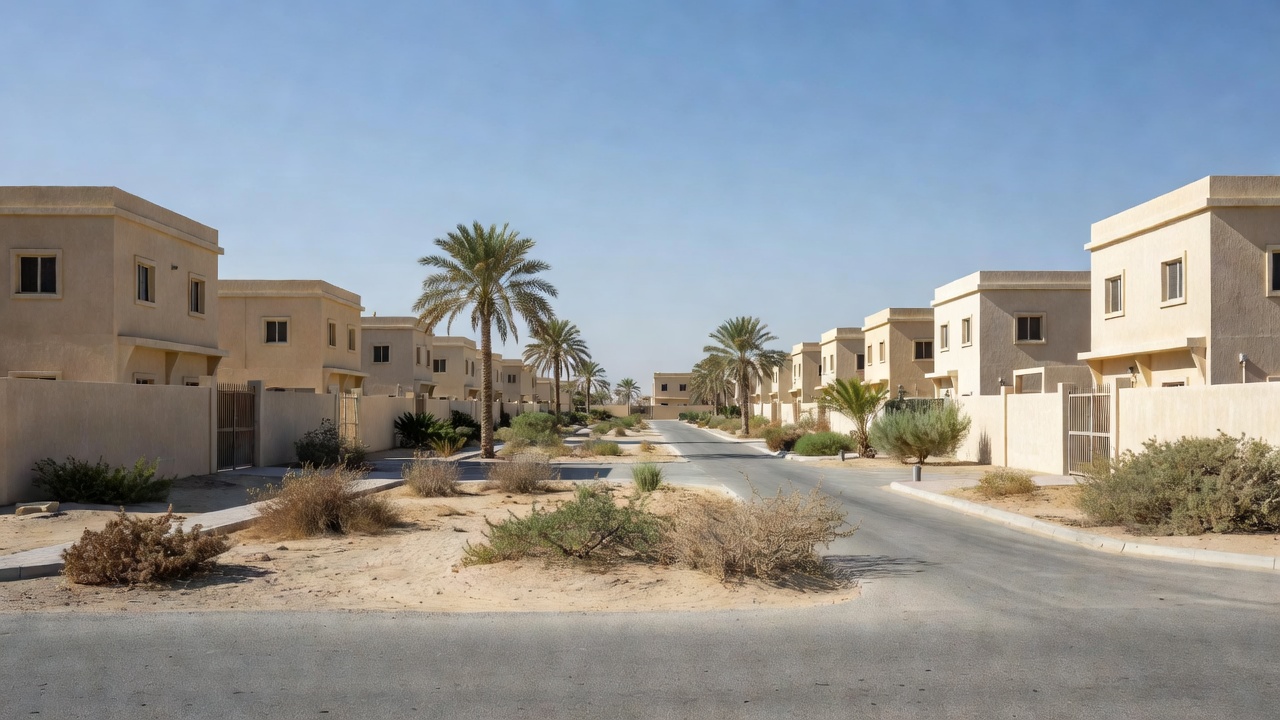
Inspectors from the Farwaniya area Inspection Department of the Public Authority for Food and Nutrition, working with the Farwaniya Investigations Department, closed the residence following a report that it was being used for unauthorized commercial food production and sales. The raid on August 4 identified three key violations, including operation without a valid health license, employment of a worker lacking a required health certificate to handle food, and failure to meet essential technical and public health standards. The authority acted swiftly to halt the activity, which it said contravenes Kuwaiti regulations governing food safety.
The Public Authority for Food and Nutrition stressed that using private homes for commercial food manufacturing or trading without proper authorization violates the law and exposes consumers to significant health risks. Such setups often lack the necessary controls for hygiene, temperature management and contamination prevention that licensed facilities must maintain. Officials have warned that these conditions can facilitate the spread of foodborne pathogens, prompting repeated calls for full regulatory compliance across the sector.
This shutdown forms part of the authority’s ongoing nationwide campaign of intensive inspections carried out in coordination with relevant agencies to identify and address illegal operations. Food Inspection Supervisor Mohammed Al-Kandari appeared on Kuwait TV’s «Good Morning Kuwait» program to discuss parallel efforts targeting meat shops and slaughterhouses in Mubarakiya Market, where compliance with safety rules for meat handling remains a priority. The supervisor outlined how these actions aim to uphold standards and respond to any detected breaches in real time.
A separate PAFN campaign conducted on August 1 across Farwaniya, Mahboula and Mubarak Al-Kabeer governorates resulted in the destruction of nearly 700 kilograms of meat deemed unfit for human consumption along with the issuance of 80 violations at non-compliant food establishments, according to Times Kuwait. Those operations highlighted persistent challenges with licensing and hygiene that the authority continues to tackle through coordinated enforcement. The pattern of recent actions demonstrates a sustained focus on removing unsafe products from circulation while documenting infractions for legal follow-up.
Legally operating a home-based food business in Kuwait requires securing both a commercial license from the Ministry of Commerce and Industry and a separate health license from the Public Authority for Food and Nutrition. Existing commercial licenses do not extend to residential food production or sales without explicit additional approvals from the food authority, a point underscored in ministry briefings earlier this year. Authorities have stepped up monitoring of social media platforms where unlicensed vendors often advertise their services directly to consumers.
The Public Authority for Food and Nutrition marked World Food Safety Day in June with a series of educational and interactive activities designed to reach different segments of Kuwaiti society and promote better awareness of safe food practices. These initiatives complement the enforcement campaigns by addressing root causes of non-compliance through outreach and information sharing. Data from repeated inspection rounds indicate that unlicensed operations remain a recurring issue the authority intends to confront systematically in the months ahead.