The Wall Street Journal reported that Iranian officials spent the period after a June memorandum of understanding with the United States preparing for expanded fighting instead of pursuing calm. The newspaper cited Iranian and Arab officials who described how Tehran treated the 60-day window as an opportunity to strengthen its position. Hardline elements viewed the accord as a bid by Washington and Israel to ease economic sanctions and buy time ahead of further strikes.
Iran coordinated during this time with allied armed groups operating in Yemen, Iraq and Lebanon as clashes moved beyond the Persian Gulf, according to the report. These linkages allowed Tehran to extend its reach across multiple theaters. The Wall Street Journal noted that such partnerships formed part of Iran’s response to the widening hostilities.
Tehran has rebuilt damaged military sites and restored access to missile facilities faster than Israeli planners anticipated, the newspaper said. Iranian forces have kept enough weaponry to target United States personnel, commercial ships and energy installations across the Persian Gulf. The assessment indicated that reconstruction efforts have progressed despite recent exchanges.
The memorandum approaches its end with talks stalled and both sides showing no readiness to compromise on core issues. Negotiations have centered on Iran’s nuclear program and its support for regional proxies. A Congressional Research Service review from 2026 frames the impasse within renewed United States maximum pressure measures that began in February 2025.
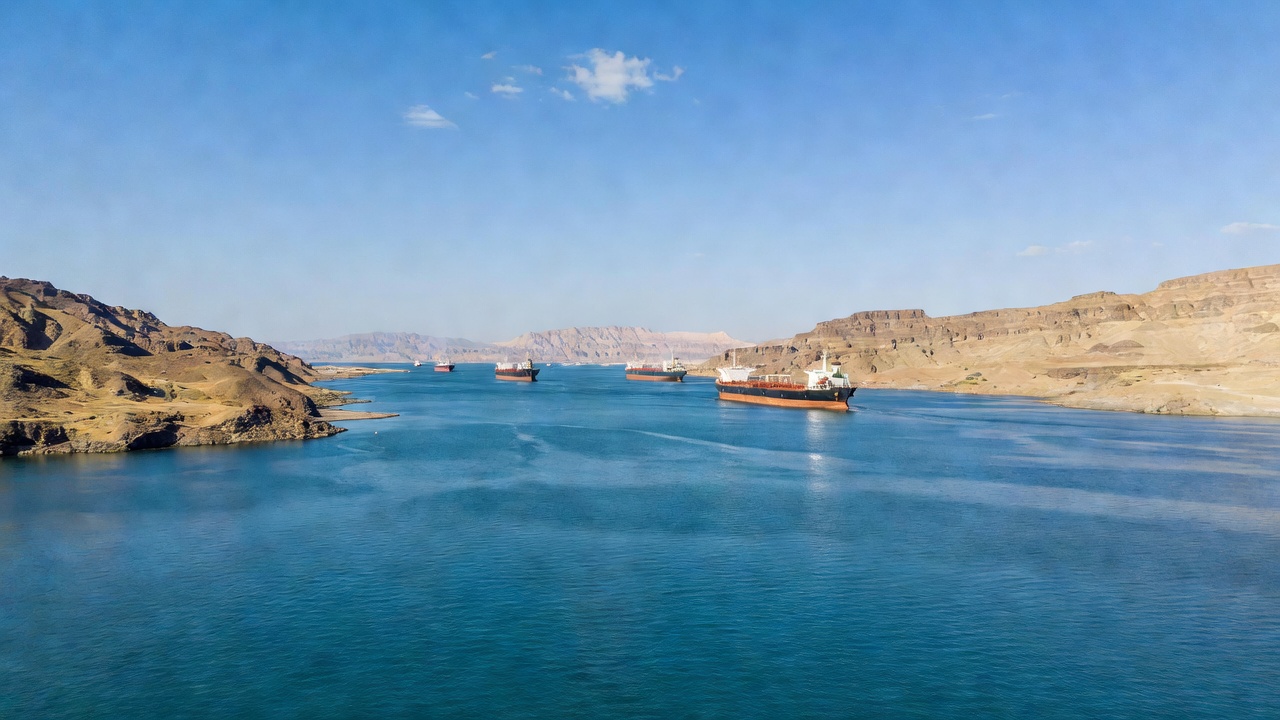
Earlier Wall Street Journal accounts described the June memorandum as a short-term plan to reopen the Strait of Hormuz to commercial shipping. The document required Iran to arrange safe passage and work with Oman on administration for the 60-day term. President Trump, Vice President Vance and Iranian representatives signed the understanding digitally, multiple outlets reported at the time.
Iran maintains one of the Middle East’s largest ballistic missile arsenals, according to Congressional Research Service data, enabling rapid strikes on nearby targets. The force played a role in a January 2020 barrage against sites in Iraq linked to United States operations. These capabilities continue to shape Tehran’s deterrence strategy throughout the current standoff.
Добавить комментарий