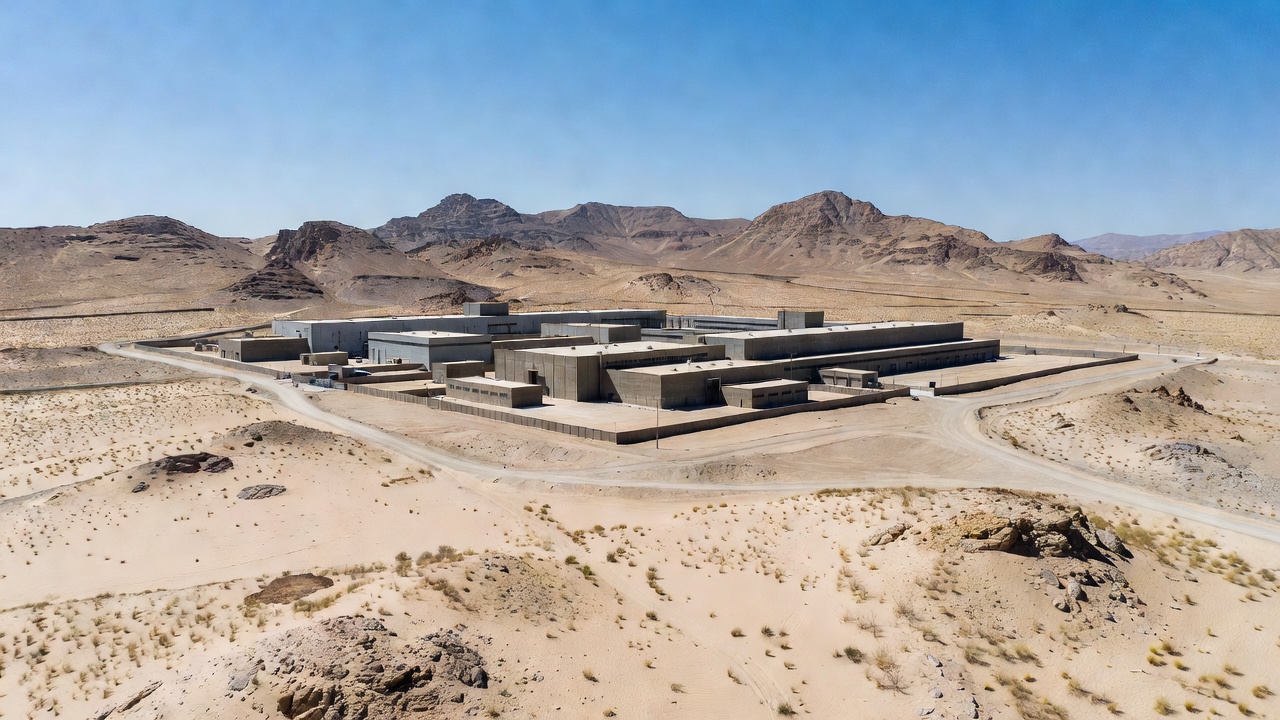
IAEA Director General Rafael Grossi told Russia’s RIA Novosti news agency that the overall impression is that the material is still there. The assessment draws from inspections conducted before the conflict and analysis of satellite imagery, even as heavy damage and blocked access have prevented on-site verification since the strikes. Grossi emphasized that the agency had not observed any significant movement of the enriched uranium before it lost access to the facilities. The IAEA has repeatedly called for inspectors to regain entry to Iran’s nuclear sites to assess conditions and confirm the nuclear material remains accounted for.
An IAEA Board of Governors report placed Iran’s total enriched uranium stockpile at 9,874.9 kilograms as of June 13, 2025, comprising 9,040.5 kilograms in the form of UF6 and 834.4 kilograms in other forms. That UF6 portion included 440.9 kilograms enriched up to 60 percent, 184.1 kilograms up to 20 percent, 6,024.4 kilograms up to 5 percent and 2,391.1 kilograms up to 2 percent. The report noted Iran is the only NPT non-nuclear-weapon state to have produced and accumulated uranium enriched to 60 percent. According to the assessment, enriched uranium was held at the three main sites of Natanz, Fordow and Esfahan before the military action began.
Israeli strikes on Iranian nuclear, missile and energy facilities commenced on June 13, 2025, with the United States conducting follow-on attacks on June 22 that targeted Natanz, Fordow and the Esfahan Nuclear Technology Center. A parliamentary research briefing stated that the extent of damage remains uncertain, though US officials described the sites as sustaining extremely severe damage and destruction. IAEA Director General Grossi previously indicated the facilities suffered enormous damage but that Iran retains the industrial capacity and knowledge to resume enrichment activities if it chooses. Initial US intelligence assessments suggested the strikes set back Iran’s nuclear program by months, while later Pentagon evaluations placed the delay at one to two years.
The IAEA report issued after the strikes stressed that the agency cannot provide information on the current size, composition or whereabouts of Iran’s enriched uranium stockpile. This limitation stems directly from the loss of inspector access following the mid-June 2025 military action. Grossi has maintained in subsequent statements that no indications exist of material having been moved outside the three primary sites, though exact locations and amounts within the facilities remain unknown. The director general has continued to underscore the need for diplomatic engagement and restored monitoring to address these gaps.
Fordow held the larger share of highly enriched uranium stocks prior to the strikes, while Natanz accounted for most of the lower-enriched material, according to the Institute for Science and International Security analysis of IAEA data. The Esfahan site included facilities involved in uranium conversion and metal production steps relevant to potential weapons development. A leaked early US Defense Intelligence Agency report indicated the strikes damaged but did not fully destroy the targeted facilities, contrasting with public statements from the Trump administration that described the sites as obliterated. These differing evaluations highlight the challenges in assessing underground damage at fortified locations like Fordow.
Grossi confirmed in later updates that almost all sensitive equipment at Fordow had been destroyed, yet warned that further enrichment of any remaining stockpile to weapons-grade levels could occur within weeks if Iran decided to pursue that path. The IAEA’s ongoing verification and monitoring activities under the NPT safeguards agreement have been constrained since the conflict, limiting the agency’s ability to confirm suspension of enrichment-related research and development. Separate assessments from regional security analysts have noted that Iran’s retained scientific expertise could allow reconstitution of capabilities over time once access and resources permit.