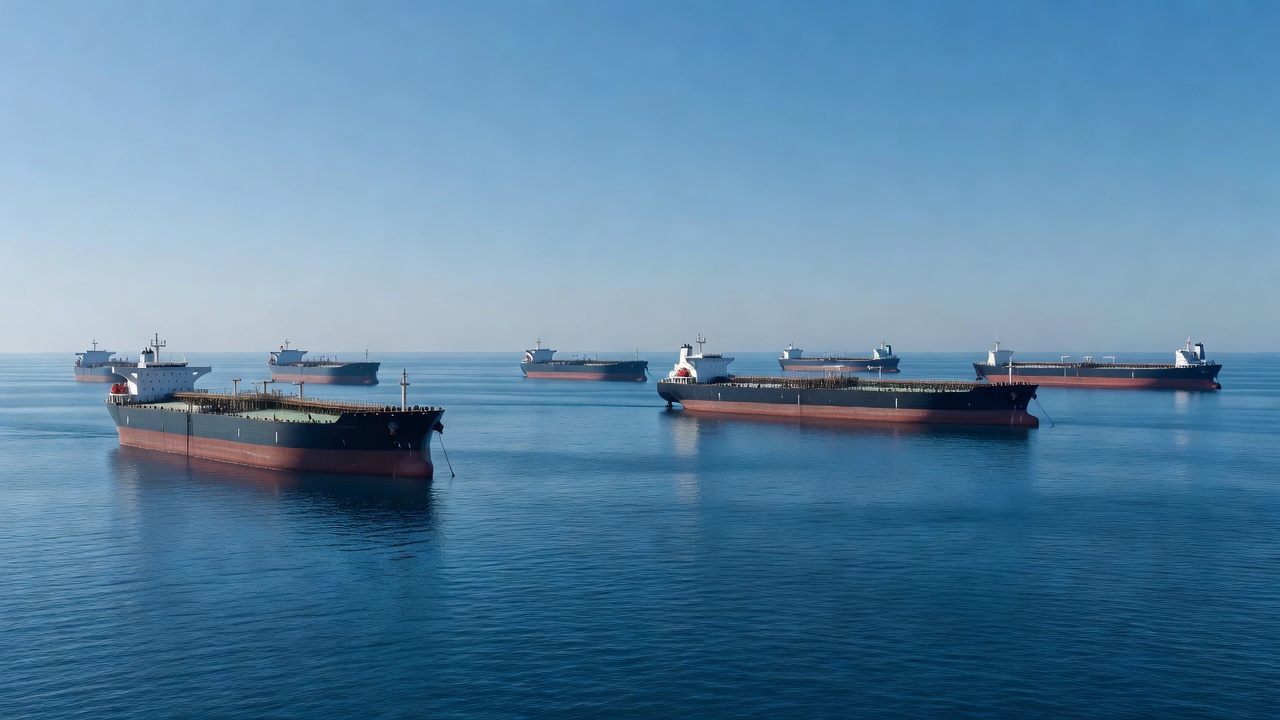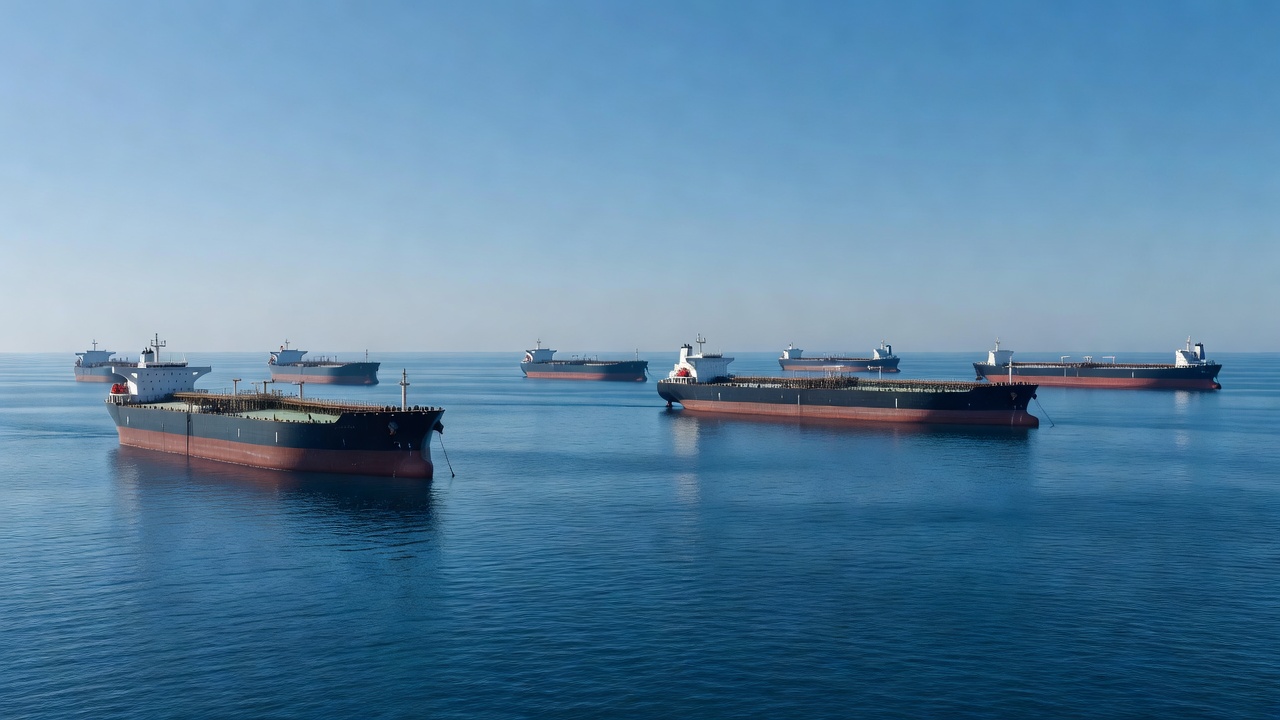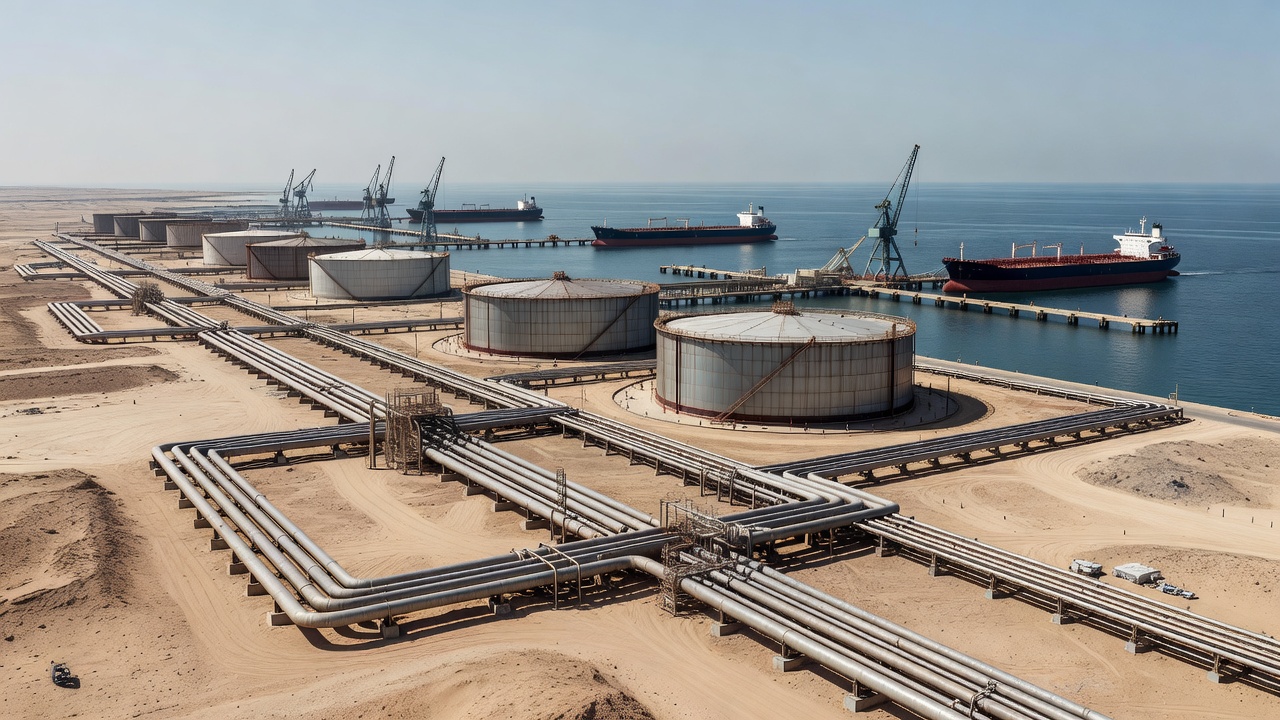
Persian Gulf states have moved swiftly to expand alternative export infrastructure following extended interruptions to shipping through the Strait of Hormuz during the Iran conflict. Increasing volumes of oil, gas and general trade are being shifted toward Saudi Arabia’s Red Sea ports and the United Arab Emirates’ eastern coastline. These developments aim to strengthen transport systems that can function even when the strategic waterway faces closure, according to an Arab Times article citing a Reuters report on Aug. 28. The Arab Times noted that the moves underscore a regional push for energy security amid persistent tensions.
Ports have taken center stage in government planning to fortify bypass routes. One industry source told Reuters that ports represent a mission-critical priority, with Saudi Arabia directing its investment focus for the next one to two years toward ports, ports, ports. Saudi authorities have fast-tracked expansion of the kingdom’s crude oil pipeline network to the Red Sea, enabling larger export volumes to reach terminals without transiting the strait. U.S. Energy Information Administration figures show that roughly 20 million barrels per day of oil moved through Hormuz in 2025, accounting for about 20 percent of global petroleum liquids consumption.
The United Arab Emirates is advancing parallel projects to bolster its options outside the strait. A new pipeline is scheduled to double crude capacity to the port of Fujairah next year while DP World prepares two additional container terminals at the site. Kpler analysis indicates this expansion could lift UAE bypass capacity from 1.8 million barrels per day to 3.6 million barrels per day by 2027, with the West-East Pipeline already reported as 50 percent complete earlier in the year. Fujairah’s position on the Gulf of Oman positions it as a key node for maintaining market access during periods of heightened regional instability.
Kuwait, which depends heavily on the strait for its oil shipments, is holding talks on access to Saudi and Emirati pipeline networks for alternative routing. Iraq is likewise developing export pathways through Turkey, Syria and Jordan to lessen exposure to vulnerable sea lanes. Qatar stood out for its acute vulnerability because its entire liquefied natural gas trade relied on the strait prior to the conflict, a fact highlighted in the Reuters dispatch carried by Arab Times. According to IEA data referenced in multiple analyses, available pipeline bypass capacity across the region stood between 3.5 million and 5.5 million barrels per day before recent accelerations.
Broader economic sectors felt the impact of the Hormuz disruptions beyond energy and maritime trade. Aviation services, tourism flows, industrial output and related activities across the Gulf experienced setbacks from the resulting instability and logistical interruptions. Former Atlantic Council fellow Afaq Hussain told Reuters, «The recent Strait of Hormuz crisis has given us a very important lesson that these vulnerabilities are real.» A PwC Middle East review projects GCC infrastructure spending to rise 75 percent between 2024 and 2050, climbing from $200 billion to $349 billion annually, with much of the growth tied to resilience projects.
The overall infrastructure campaign could require hundreds of billions of dollars to establish permanent alternatives and lower long-term risks tied to a single chokepoint. Saudi Arabia’s East-West Pipeline to Yanbu already operates at up to 7 million barrels per day while the UAE’s existing Abu Dhabi Crude Oil Pipeline carries 1.8 million barrels per day to Fujairah. Industry assessments from Atlantic Council reports emphasize that expanded corridors, including rail and overland links, will form the backbone of reduced Hormuz exposure in the years ahead.