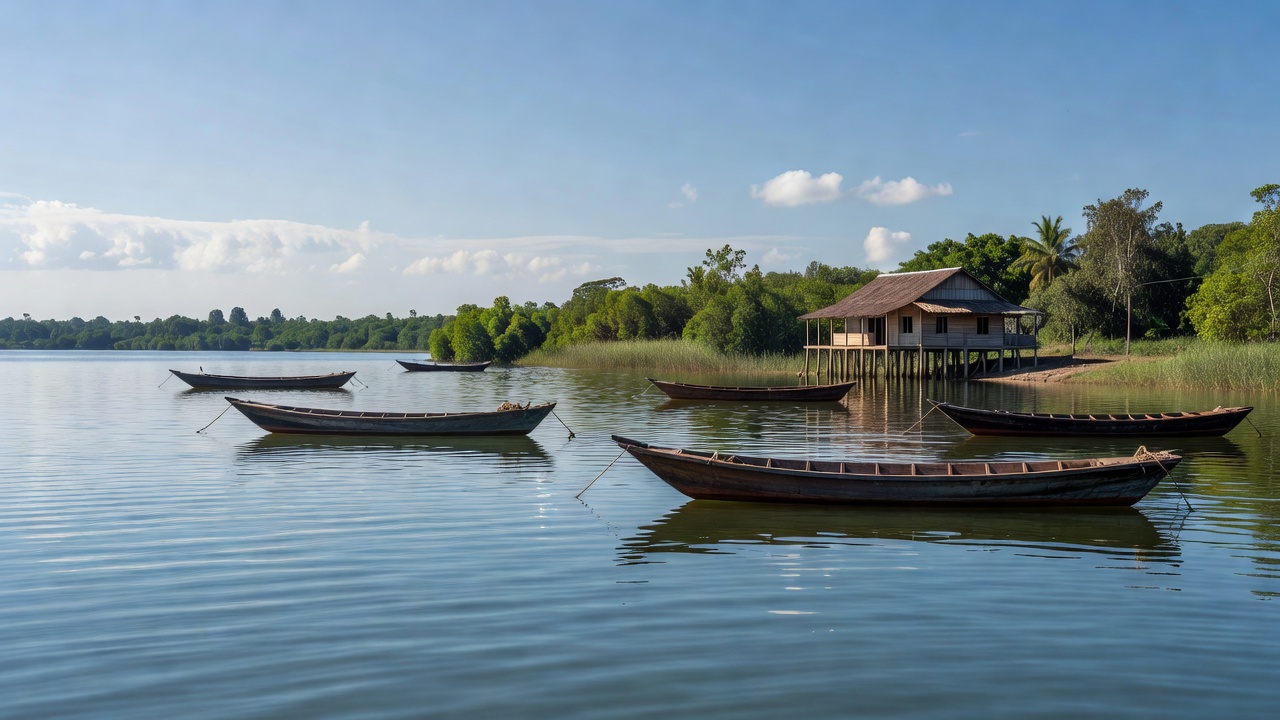
In Cambodia’s Tonle Sap lake region, 13-year-old Sou Sreynich began attending classes only at age 10 after her mother deemed her old enough to safely travel by boat, an Associated Press dispatch from Kampong Prahok reported. The family depends on fishing and occasional farm labor, yet soaring gasoline prices tied to the Iran conflict have limited their ability to reach deeper waters or afford consistent transport to school. Sou Sreynich occasionally misses days to work alongside her parents, though she told the AP she wants to finish her studies and become a teacher. Teachers at her school noted that 10 students have drowned in recent years amid worsening floods and droughts linked to climate change, according to the report.
A UNICEF assessment released late last year projected that the conflict could drive as many as 23.4 million additional children into monetary poverty by the end of 2026, with approximately 80 percent of that total in Africa and Asia. The U.N. agency’s State of the World’s Children 2025 report attributes the rise to disrupted economic stability, destroyed infrastructure and strained public services including education. UNICEF data further shows that more than 19 percent of children worldwide already live in extreme poverty, surviving on less than $3 per day, a figure that has grown more fragile amid ongoing conflicts.
Similar strains have surfaced in Vietnam, where sisters identified as Ly, 16, and Nhi, 13, from a fishing family on the northern coast dropped out to take restaurant jobs in Hanoi after diesel costs halted their father’s work at sea, the Associated Press reported. Michael Brosowski with the Blue Dragon Children’s Foundation described to the AP how families facing financial breaking points often triage by keeping some children in school while sending others to work. «It’s the tipping point for a lot of families,» Brosowski said in the dispatch. The girls encountered unsafe conditions including sharp tools and heavy lifting before the foundation helped return them to classes earlier this year.
Sabrina Hervey of the Qatar-based Education Above All Foundation warned in the AP account that the Iran war is likely to force millions of children out of school or prevent initial enrollment as costs for food, fuel and electricity climb. According to the report, higher prices have inflated every aspect of education from commuting to classroom supplies while limiting aid workers’ reach to remote communities. In Cambodia, Samphors Vorn of the nonprofit Aide et Action told the AP that electricity to run a school lab now costs 10 times more because supplies arrive by boat.
The U.N. World Food Programme figures indicate that more than 466 million children globally depend on at least one school meal daily, programs now threatened by rising fertilizer and transport expenses from the conflict. Arshad Malik of Save the Children International noted to the AP that girls in South Asia face disproportionate risks since families often prioritize boys’ education, a pattern that UNICEF data links to the region accounting for 45 percent of the world’s child brides. Economic pressures could accelerate child marriages and other vulnerabilities, Malik added.
A U.N. Development Programme study cited in related reporting highlighted how the war has strained Bangladesh’s finances through elevated fuel and subsidy costs, potentially reducing spending on education and health services. Governments in several affected nations have responded with measures such as four-day workweeks and university closures to conserve energy, according to analyses from Yale Insights and other outlets. UNICEF has called for safeguarding funding for child protection, nutrition and learning programs to mitigate the long-term damage.
Добавить комментарий