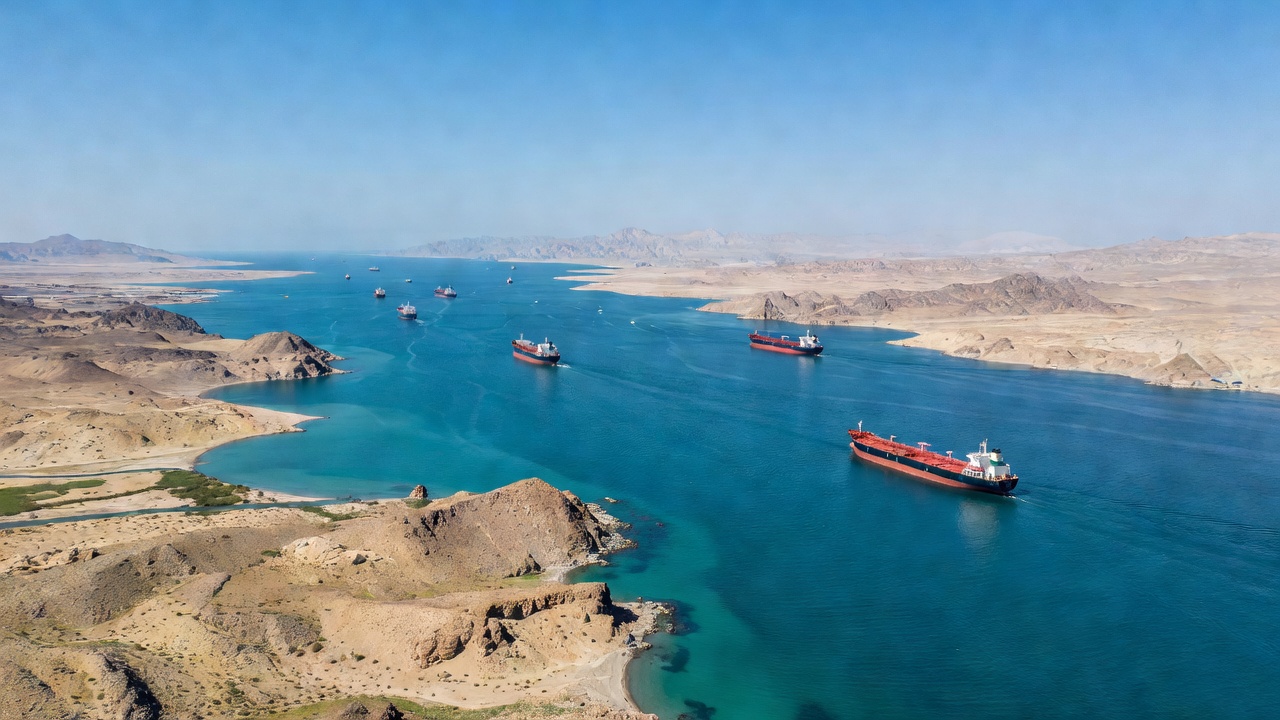
Arab Times reported that Behnam Saeedi made the comments on Thursday amid ongoing regional tensions. The secretary of Iran’s parliamentary National Security and Foreign Policy Committee emphasized Iran’s sole authority over the waterway. He limited the scope of current talks with Oman to shipping route coordination only.
«The Strait of Hormuz will not reopen until the naval blockade is lifted, the United States leaves the region and the threats end,» Saeedi said according to the Arab Times article. The lawmaker characterized the strait as one of Iran’s premier strategic assets. Saeedi further asserted that its value as a deterrent surpasses even that of an atomic bomb.
The New York Times reported earlier this week that Iran and Oman have advanced discussions on potential temporary reopening of the passage. Those negotiations have centered on establishing agreed geographical coordinates for safe transit. Saeedi’s exclusion from the process highlights internal divisions within Iranian decision-making circles on the matter.
US Energy Information Administration figures show that oil transit through the Strait of Hormuz averaged 20.9 million barrels per day in the first half of 2025. The volume accounted for roughly 20 percent of global petroleum liquids consumption at the time. Such data underscores the waterway’s critical role in international energy supply chains.
A Reuters dispatch from June 2025 indicated that Saeedi has voiced comparable positions in prior months. On that occasion he identified closure of the strait as one of several response options available to Iran against perceived aggression. The lawmaker has additionally pointed to potential collaboration with Houthi forces to impede shipping through the Bab al-Mandeb Strait as another leverage point.
According to Arab Times, Saeedi maintains that the strait operates under Tehran’s exclusive supervision. This perspective reinforces Iran’s longstanding claim to sovereign control over the chokepoint. The comments surface against a backdrop of heightened security concerns for commercial vessels navigating the Persian Gulf.
Добавить комментарий