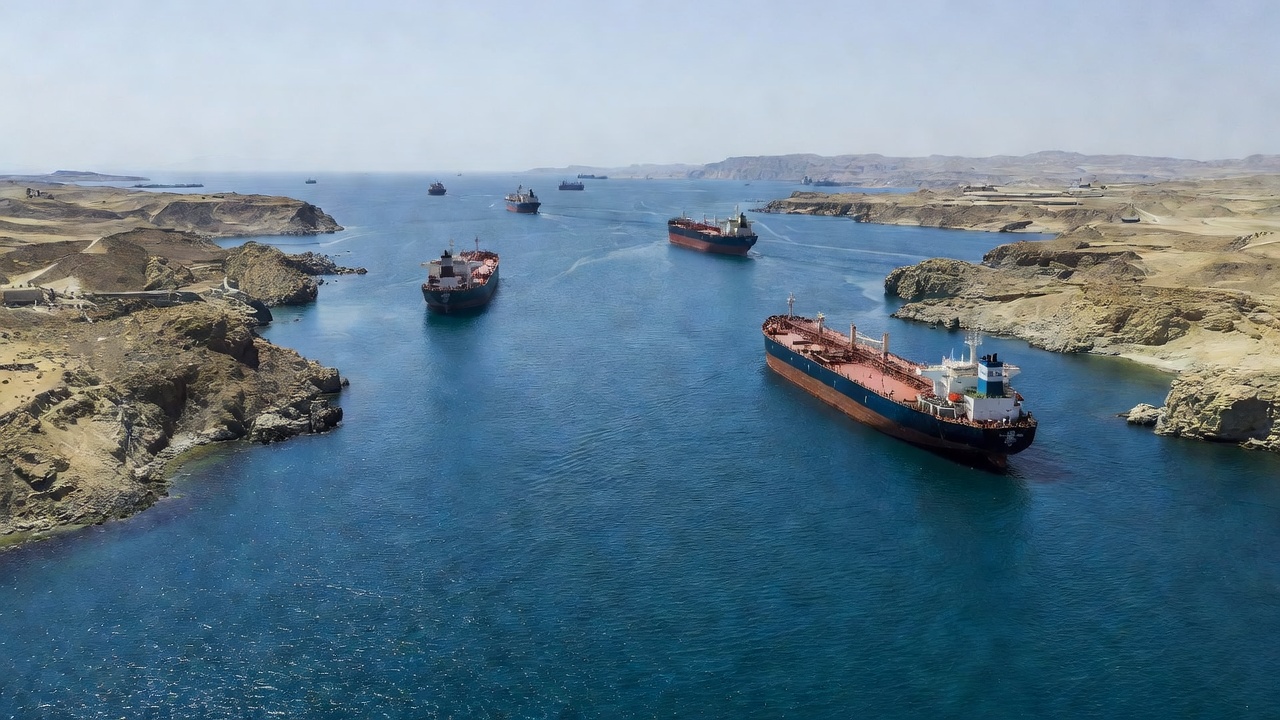
US President Donald Trump expressed confidence that the Strait of Hormuz would soon return to full operation for commercial shipping even as he cautioned Iran against abandoning nuclear negotiations. In a Fox News interview the previous day, Trump detailed how Iranian officials had requested talks just as the United States prepared what he termed a tremendous attack, the biggest since World War II. «We were going to a tremendous attack, the biggest since World War II, and they called me and said, very politely, ‘Please, can we talk? Can we talk?’… I said, ‘Yes, we can talk. Let’s get it done. Finally, let’s get it done,’» Trump said, according to the Arab Times report published Wednesday. The president stressed that Iran must follow through with concrete actions rather than statements alone.
Trump drew a firm line on Iran’s nuclear ambitions, stating that any retreat from the current talks would invite a strong American reaction. «If they back out again, they’re going to get hit really hard. They know that; they understand that. I have no choice. They can’t have a nuclear weapon. It’s very simple,» he added in the same interview. The US leader described the ongoing discussions as productive but reiterated that results would determine the outcome. Arab Times noted that Iran has not publicly confirmed the reported progress in the negotiations.
The strategically vital Strait of Hormuz links the Persian Gulf with the Gulf of Oman and has stood at the center of regional tensions in recent months. US Energy Information Administration figures show that roughly one-fifth of global oil consumption transits the waterway, making any disruption a potential trigger for sharp increases in energy prices worldwide. Trump’s remarks arrived against a backdrop of heightened military readiness in the Gulf, where international naval forces have conducted patrols to safeguard shipping lanes.
Negotiations between Washington and Tehran form part of the 2025-2026 Iran-United States dialogue aimed at resolving long-standing differences over Tehran’s nuclear program. Al Jazeera reported on August 3 that Trump had framed the current round as Iran’s last chance to reach an agreement and avoid massive air strikes. CNBC reported two days earlier that Trump had pushed back against Iranian statements denying direct talks, insisting on social media that discussions continued «whether Iran wants to admit it or not.»
Trump told Fox News that failure to secure a deal would leave him with no alternative but decisive action. «The Strait is going to be open very soon — or they’re gonna hit very hard, and then the Strait is going to be open,» he said. The president added, «We’re having very good discussions. The only thing that matters is action, and they want to make a deal. We’ll see what happens. If they don’t make a deal, it’s going to be too bad.» Regional powers including Saudi Arabia, the United Arab Emirates and Qatar have reportedly supported the diplomatic track, according to separate accounts from the period.
The latest comments reflect a pattern in which Trump has alternated between optimism about diplomacy and stark warnings of military options. BBC coverage from February 2026 detailed earlier rounds of talks in Geneva and Vienna that produced some progress but left key differences unresolved on Iran’s nuclear activities. Public Authority for Civil Information data from Kuwait and similar demographic records across Gulf states underscore how energy security in the region directly affects millions of residents and expatriate workers dependent on stable fuel supplies and economic activity tied to oil exports.
Добавить комментарий