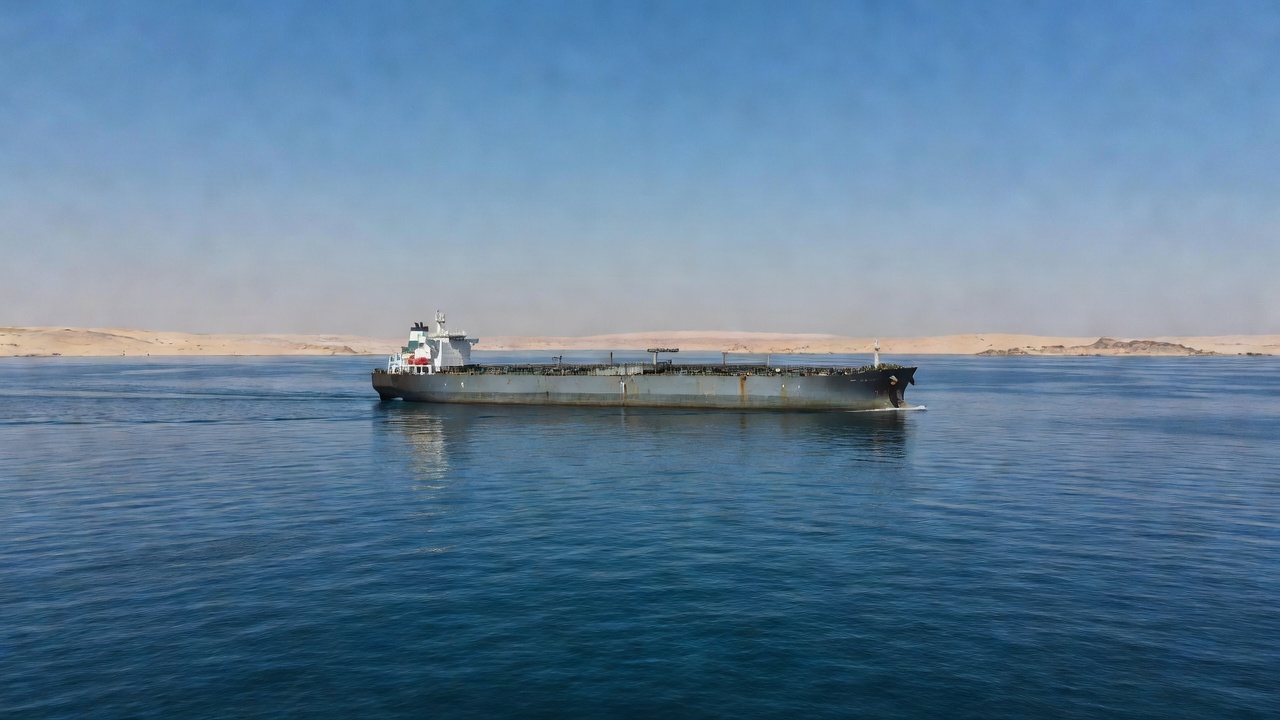
Houthi military spokesperson Yahya Saree announced in a statement posted on X that the group had fired multiple ballistic missiles at the Saudi oil tanker Wafaa off the coast of Yanbu. Saree claimed the missiles struck the vessel accurately as part of the Houthis’ «blockade for blockade» strategy aimed at Saudi maritime traffic. The announcement detailed how the action responded to Saudi rerouting of tankers into the northern Red Sea following the imposition of restrictions from the Bab al-Mandab Strait.
According to Saree the latest strike brought the total number of targeted Saudi oil tankers to eight since the blockade was announced on July 22. He added that 29 Saudi oil tankers had either been prevented from transiting the Red Sea and Arabian Sea or forced to alter course and turn back. The spokesperson’s statement framed the operations as a direct response to perceived Saudi actions in the region.
Saree vowed that the Houthis would continue and intensify attacks on Saudi oil tankers in the northern Red Sea to block maritime access routes «regardless of the consequences.» Arab Times reported that Saudi authorities issued no immediate comment on the claims and the reported attack could not be independently verified. The Red Sea corridor handles nearly 15 percent of global sea trade according to industry benchmarks cited by BBC reporting.
Kpler shipping data reviewed by Reuters showed that vessel traffic through the Bab el-Mandab Strait had slowed markedly with only 11 commodity carriers transiting on some days in late July marking the lowest levels in months. The data indicated that seven of those vessels were oil tankers including some entering the Red Sea toward ports such as Yanbu. BBC reporting detailed that at least seven oil tankers made U-turns close to Yemen shortly after the July 22 blockade announcement.
A PBS analysis found that earlier Houthi strikes on Saudi tankers in the Red Sea had pushed oil prices above $100 a barrel amid concerns over supply routes. Reuters figures show that the shipping disruptions caused prices of physical crude cargoes in the Middle East Europe and Africa to reach two-month highs in the period. Lloyd’s List Intelligence described the attacks as creating a double whammy for oil shipments when combined with other regional tensions.
The broader Red Sea crisis has seen at least 30 ships damaged by Houthi actions since late 2023 according to maritime tracking compilations. A US Defense Intelligence Agency assessment from earlier phases noted a 90 percent decrease in container shipping through the area at peak disruption forcing many operators to reroute around the Cape of Good Hope. Such detours have added roughly 11 000 nautical miles and up to $1 million in fuel costs per voyage as detailed in related EIA reports.
Добавить комментарий