President Donald Trump stated Friday that Iran is not ready for the right deal with the United States even as economic pressure on Tehran increases, Arab Times reported from his comments to reporters ahead of a trip to South Carolina for a rally. The president indicated Washington would keep watching the results of its tightening measures on the Iranian economy that he portrayed in dire terms. Trump claimed Iran possesses no money, navy or air force and suffers inflation of 350 percent.
An International Monetary Fund assessment found that Iran’s economy is expected to contract by 6.1 percent in 2026 with inflation around 69 percent following earlier disruptions from conflict and sanctions. The World Bank estimated a 2.7 percent GDP contraction for the Iranian year ending in March 2026 amid intensified hostilities, protests and trade interruptions through the Strait of Hormuz. These pressures follow the reinstatement of a maximum pressure campaign in February 2025 that aimed to secure a revised nuclear agreement and limit regional activities.
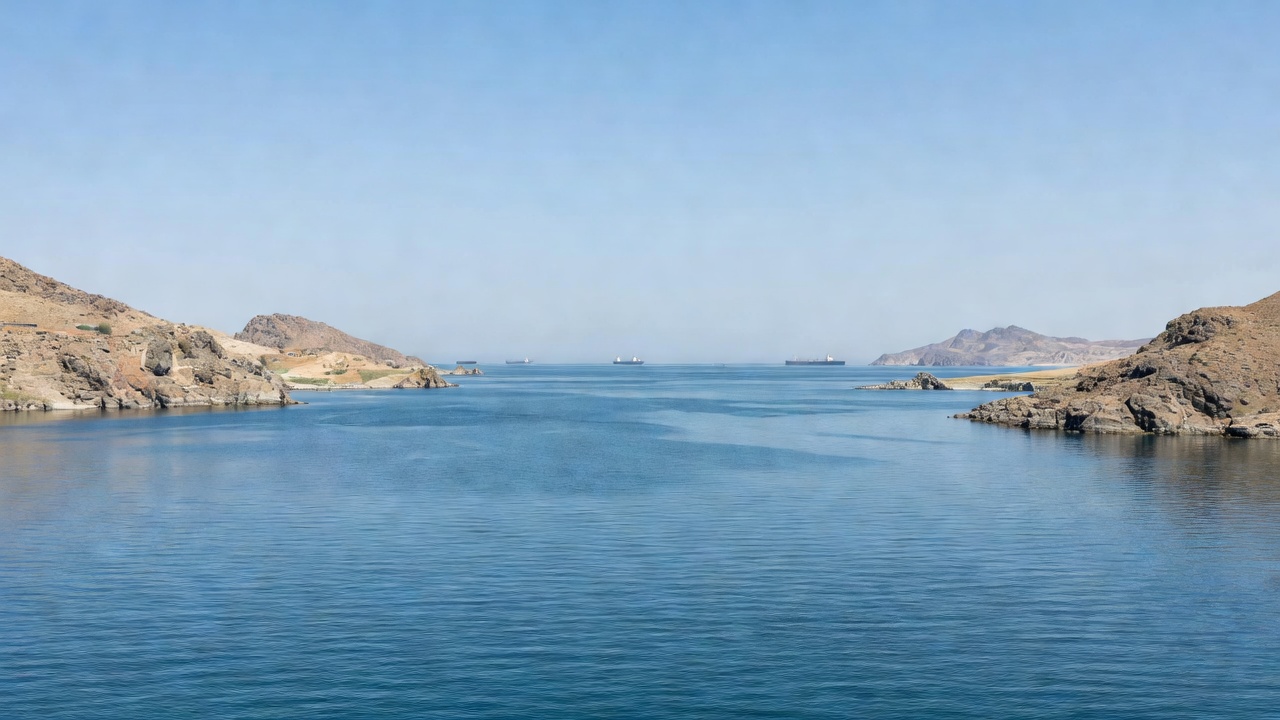
Trump further declared that the United States maintains complete control over the Strait of Hormuz including the waterway itself and surrounding land areas. UK Maritime Trade Operations data nevertheless places current traffic through the passage at about 90 percent below pre-war levels because of continued security risks and attacks on commercial vessels. A UNCTAD publication noted that the strait carries roughly one quarter of global seaborne oil trade together with significant volumes of liquefied natural gas and fertilizers, developments that have pushed Brent crude prices above 90 dollars per barrel.
The present situation developed after a surprise US-Israeli attack on Iran in late February that drew Iranian retaliation against targets in Israel and US military bases across the region, according to compiled accounts of the escalation. A ceasefire together with a memorandum of understanding reached in June to restore shipping through the strait later collapsed over disputes on implementation details. Indirect negotiations between the two sides have continued at intervals since then without producing a comprehensive accord.
Iran’s non-oil trade with China dropped 75 percent between March and June 2026 from the same period a year earlier, Iran International reported based on available trade statistics. Shipping a container from China to Iran now costs between 8,000 and 9,000 dollars, up from 2,500 to 3,500 dollars before the conflict, according to the head of logistics at Iran’s Trade Promotion Organization. Oxford Economics analysts have estimated that sustained US measures could cut 70 percent of Iran’s export revenues since more than 90 percent of its annual trade passes through the affected waterway.
Throughout the 2025-2026 negotiation rounds Trump has at times signaled that an agreement was close while at others instructing envoys not to rush the process, a pattern reflected in his public statements carried by outlets including the BBC and Axios. Iranian officials have repeatedly denied aspects of the reported US proposals and insisted they would not relinquish their right to uranium enrichment. A May 2026 assessment from the Arms Control Association indicated that even if a peace framework is finalized it would leave core nuclear questions for subsequent discussions.
Добавить комментарий