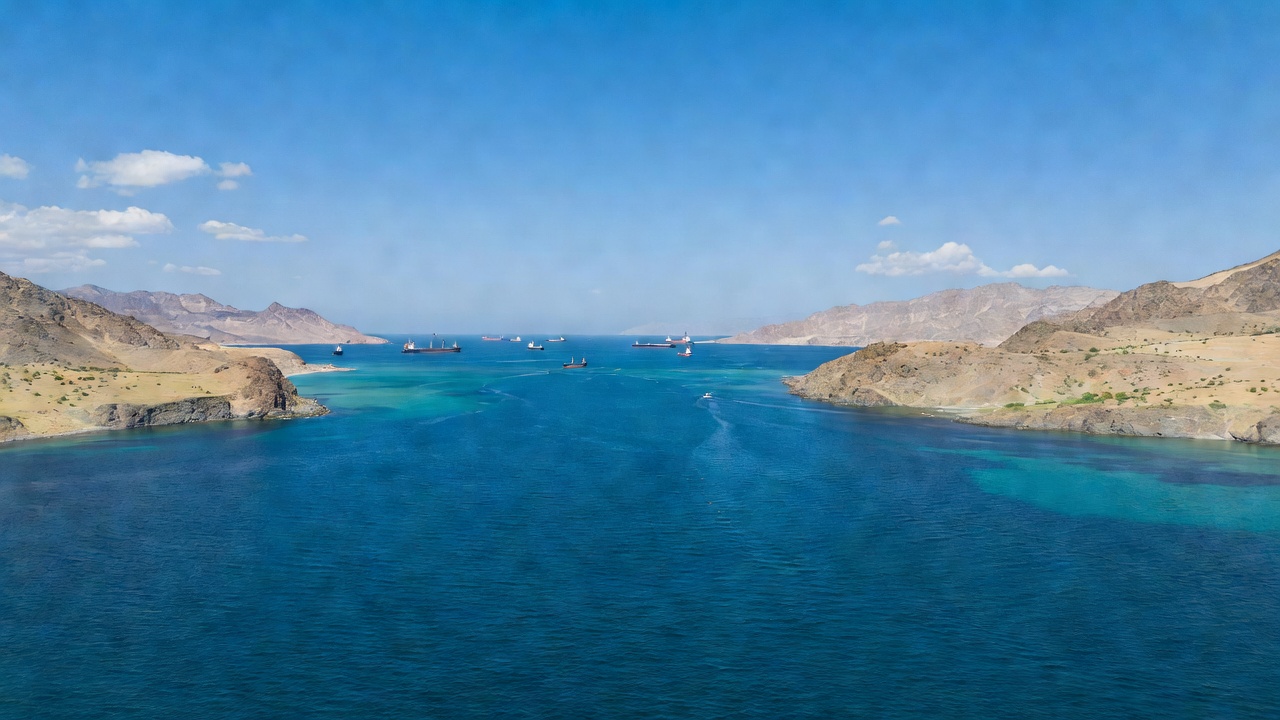
The Arab Times reported on August 21 that ship traffic through the Strait of Hormuz fell sharply on Thursday with just seven crossings recorded according to initial data from analytics firm Kpler. The data indicated four commodity vessels entered the strategic waterway while three ships exited it. Among the vessels leaving was a very large gas carrier carrying propane and butane that exited via the Iranian route.
Kpler data from July 2026 showed that after the return to conflict the average number of daily crossings fell to roughly 13 a drop of about 70 percent from the approximately 45 crossings per day seen during a temporary truce between June and early July. On July 21 the firm recorded just nine crossings while 15 were noted on July 22. Traffic has also concentrated on the Iranian unilateral route which carried around 60 percent of the remaining vessels during the truce period according to the Kpler blog.
The US Energy Information Administration figures show that total oil flows through the Strait of Hormuz averaged 20.9 million barrels per day in the first half of 2025 representing about 20 percent of global petroleum liquids consumption. Between 2022 and the first half of 2025 volumes of crude oil and condensate transiting the strait declined by 1.5 million barrels per day only partially offset by a 0.5 million barrel per day increase in petroleum product cargoes. Oil tankers accounted for 28 percent of the world’s shipping by deadweight tonnage in 2024 according to the United Nations Conference on Trade and Development.
The 2026 Strait of Hormuz crisis began on February 28 when shipping traffic was largely blocked by Iran leading to an immediate plunge in transits according to reports compiled on Wikipedia. The New York Times reported on February 28 2026 that ship traffic plummeted in the strait following Iranian attacks. At least three tankers were struck near the strait in the early days of the conflict including one off Oman that was set ablaze the compilation stated.
Windward tracking showed that total daily transits averaged approximately 13 roughly 90 percent below pre-war levels of 130 to 138 per day as of late July. The firm noted that commercial vessel movement remained heavily restricted with most large hulls stationary under dark or EMCON conditions in May. Kharg Island loading terminals were observed empty at times despite dark tankers staged nearby with capacity exceeding 25 million barrels Windward reported.
A CNBC report on August 18 detailed an attack on a cargo ship exiting the Strait of Hormuz that killed one crew member with a projectile striking the vessel’s engine room. The UK Maritime Trade Operations Centre issued a report on the incident while Oman’s Coast Guard assisted the crew. Observed ship traffic remained low that week with 10 crossings on Monday and two on Sunday according to the report.
Добавить комментарий