Рубрика: Travel

  • العربية للطيران تعلق رحلات الشارقة وأبوظبي إلى الكويت الثلاثاء

    العربية للطيران تعلق رحلات الشارقة وأبوظبي إلى الكويت الثلاثاء

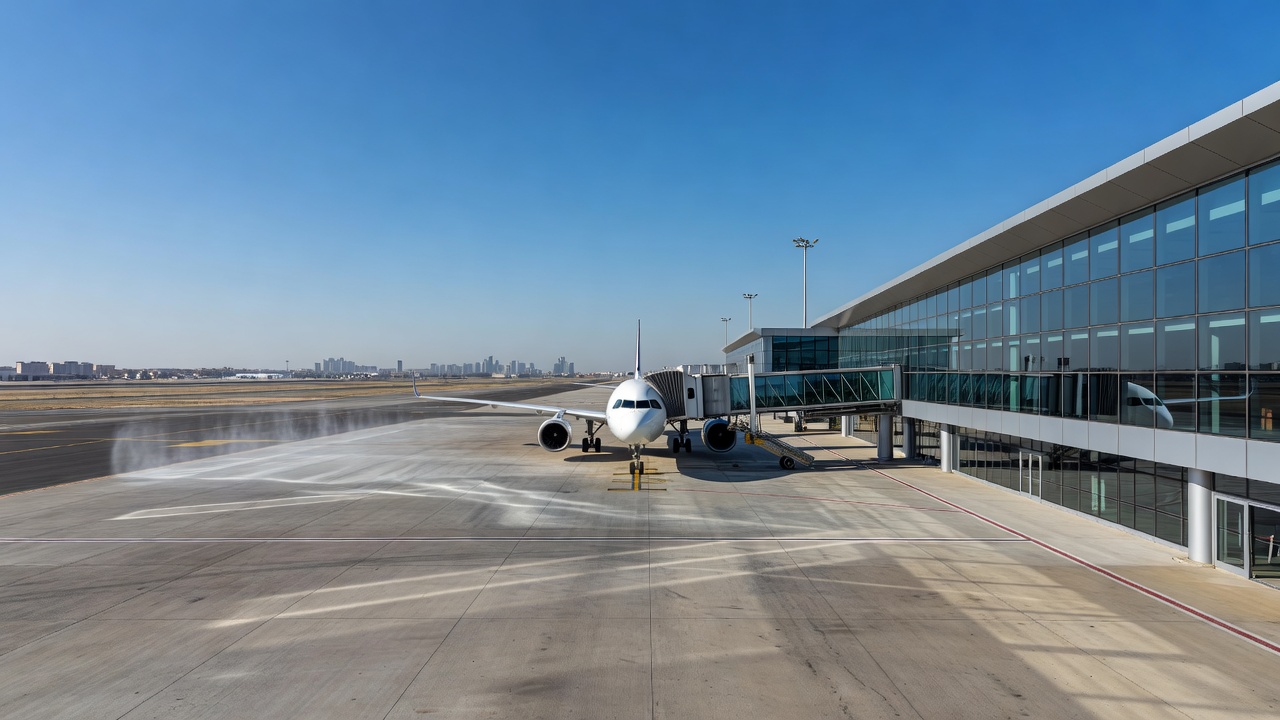
    أوقفت شركة الطيران منخفضة التكلفة رحلتي G9068 وG9124 من الشارقة إلى الكويت إلى جانب الرحلة 3L020 من أبوظبي إلى الكويت بحسب ما أوردته غلف نيوز. كما ألغت الرحلة G9107 من الشارقة إلى البحرين مع تحديث أوقات خدمات أخرى باتجاه البحرين. ونُصح المسافرون الذين حجزوا على الرحلات المتأثرة بالتحقق من آخر المستجدات مباشرة مع العربية للطيران قبل التوجه إلى المطار.

    وشملت الاضطرابات مطار دبي الدولي ومطار زايد الدولي في أبوظبي في اليوم ذاته. وحافظت الاتحاد للطيران على عمليات شبه طبيعية باتجاه البحرين والكويت رغم تأخر بعض الرحلات المنطلقة من أبوظبي وفق التقرير ذاته. أما طيران الإمارات فقد أقلع برحلات مختارة إلى تلك الوجهات من دبي لكنه واجه صعوبات في بعض الخطوط الدولية.

    وتسبب الرماد البركاني المنبعث من جبل أناك كراكاتاو في إندونيسيا بإلغاء الرحلات في جاكرتا بعد إغلاق ثمانية مطارات محلية مؤقتاً بحسب ما أفادت به «ذا ناشونال». وتأثر نحو 3000 رحلة إقليمياً مع تعرض أكثر من 340 ألف راكب للتأثيرات الناجمة عن سحابة الرماد. وألغت طيران الإمارات الرحلة EK356 إلى جاكرتا إضافة إلى رحلتي العودة EK357 وEK359 فيما مددت الخطوط الجوية الفرنسية تعليق رحلاتها من دبي حتى 10 سبتمبر.

    وأدت المخاوف الأمنية المتزايدة المرتبطة بالتوترات الإيرانية إلى تغييرات متكررة في جداول الرحلات الخليجية خلال الأشهر الماضية وفق ما أشارت إليه تحديثات عدة ناقلات. وقامت العربية للطيران بتعديل شبكتها لإعطاء الأولوية للسلامة في كل عملياتها. وتدير الناقلة التي يقع مقرها في الشارقة شبكة واسعة منخفضة التكلفة تربط الشرق الأوسط بوجهات في أوروبا وآسيا.

    ويحق للعملاء المتضررين من الإلغاءات طلب تغيير التاريخ مجاناً خلال 30 يوماً أو الحصول على قسيمة ائتمان أو استرداد كامل المبلغ إلى طريقة الدفع الأصلية بحسب تنبيهات العربية للطيران. وقدمت ناقلات إماراتية أخرى مساعدة مماثلة في فترات مشابهة. وتتوفر المعلومات في الوقت الفعلي عبر مواقع شركات الطيران وتطبيقاتها المحمولة وبوابات المطارات.

    وشهد مطار الكويت الدولي عمليات متغيرة استجابة لهذه الضغوط خلال الأشهر الأخيرة وفق بيانات تتبع الطيران. وينبغي على المسافرين الراغبين في التنقل بين الإمارات والكويت متابعة التحديثات عن كثب والاستعداد لتغييرات محتملة. ويظل الوضع مرناً فيما تواصل السلطات والناقلات تقييم التطورات البيئية والجيوسياسية.
  • Air Arabia Suspends Sharjah and Abu Dhabi Services to Kuwait on Tuesday

    Air Arabia Suspends Sharjah and Abu Dhabi Services to Kuwait on Tuesday

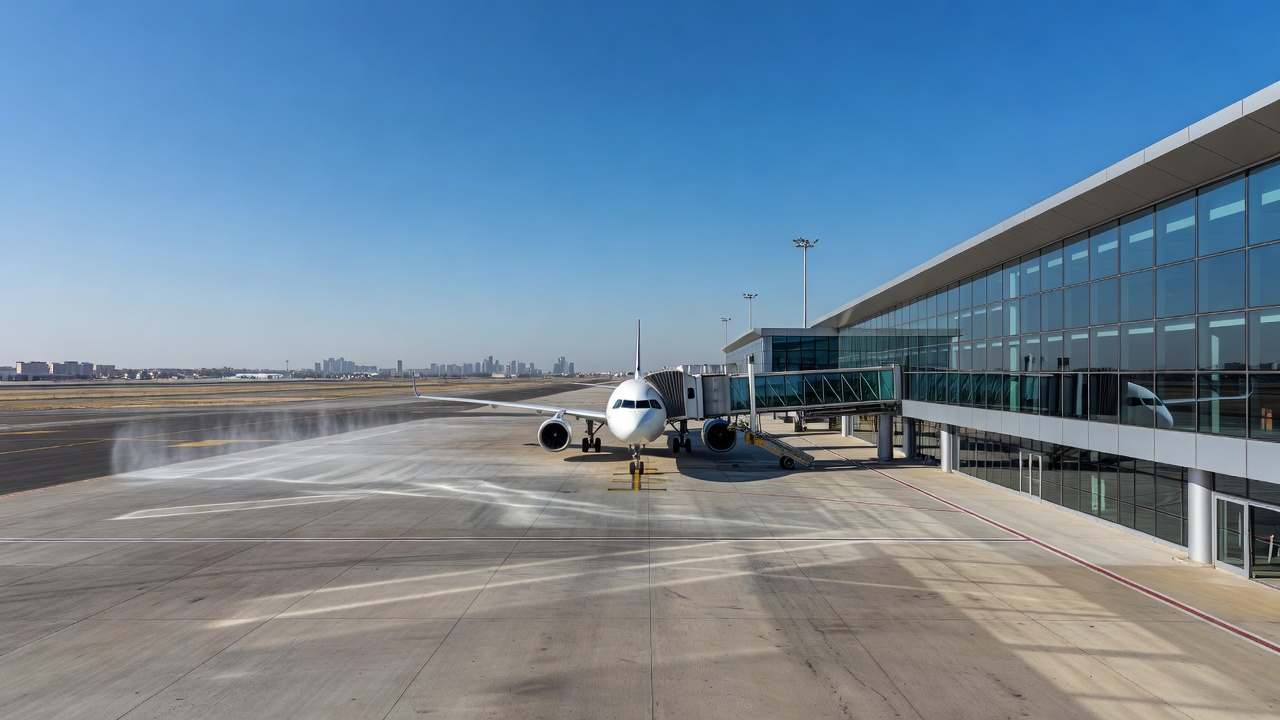
    The low-cost carrier grounded flights G9068 and G9124 from Sharjah to Kuwait along with 3L020 from Abu Dhabi to Kuwait Gulf News reported. It additionally cancelled G9107 from Sharjah to Bahrain while updating times on other Bahrain services. Passengers booked on the affected routes were advised to check the latest status directly with Air Arabia before travelling to the airport.

    Disruptions spanned both Dubai International Airport and Zayed International Airport in Abu Dhabi on the day in question. Etihad maintained largely normal operations to Bahrain and Kuwait although several Abu Dhabi departures faced delays according to the same report. Emirates operated selected flights to those destinations from Dubai but encountered issues on certain international sectors.

    Volcanic ash from Mount Anak Krakatau in Indonesia triggered the Jakarta cancellations after eight local airports closed temporarily The National reported. Nearly 3000 flights were disrupted regionally with more than 340000 passengers impacted by the ash cloud. Emirates cancelled EK356 to Jakarta plus EK357 and EK359 returns while Air France prolonged its Dubai suspension through September 10.

    Heightened security concerns from Iran-related tensions have prompted repeated schedule changes for Gulf routes in recent months multiple carrier updates indicated. Air Arabia adjusted its network to prioritise safety across its operations. The Sharjah-headquartered airline runs an extensive low-cost network linking the Middle East with destinations in Europe and Asia.

    Customers affected by the cancellations may request a free date change within 30 days obtain a credit voucher or receive a full refund to the original payment method Air Arabia’s alerts stated. Comparable assistance has been extended by other UAE carriers during similar periods. Real-time information is accessible via airline websites mobile applications and airport portals.

    Kuwait International Airport has experienced variable operations in response to these pressures over recent months aviation tracking data showed. Travellers intending to fly between the UAE and Kuwait should monitor updates closely and prepare for possible changes. The situation remains fluid as authorities and airlines assess both environmental and geopolitical developments.

  • ناقلة هونغ كونغ تؤجل استئناف رحلات دبي والرياض حتى أواخر نوفمبر

    ناقلة هونغ كونغ تؤجل استئناف رحلات دبي والرياض حتى أواخر نوفمبر

    أعلنت كاثاي باسيفيك في بيان لها أن رحلات الركاب المتجهة إلى دبي والرياض ملغاة حتى 30 نوفمبر. وأوضح التحديث على موقع الناقلة أن المسافرين المتأثرين سيحصلون على خيارات مرنة تشمل إعادة الحجز أو تغيير الوجهة أو استرداد الأموال. وأضافت الشركة أنها ستواصل متابعة التطورات في الشرق الأوسط بدقة. وكانت شركة الطيران المقرها في هونغ كونغ قد أوقفت كل عملياتها في المنطقة اعتباراً من 28 فبراير بعد أن أثار هجوم أمريكي إسرائيلي مشترك على إيران صراعاً أوسع نطاقاً، حسب تقارير رويترز في ذلك الوقت.

    ويأتي هذا التمديد كأحدث تأجيل بعد الخطة الأولية لاستئناف رحلات يومية إلى دبي وأربع رحلات أسبوعية إلى الرياض في الأول من سبتمبر. وقد أرجأت الناقلة هذه المواعيد إلى 25 و26 أكتوبر على التوالي خلال شهر يوليو، قبل الإعلان عن التأجيل الجديد في 4 سبتمبر. وتفصّل مقالة نشرتها صحيفة «ساوث تشاينا مورنينغ بوست» في يوليو كيف فتحت الشركة الحجوزات للعودة في سبتمبر قبل أن تجبرها الأحداث اللاحقة على تعديل الخطط. وأوردت رويترز أن المجموعة أجلت أيضاً خدمات طائرات الشحن المتجهة إلى الرياض والتي كانت مقررة للعودة في أغسطس.

    وحافظت عدة شركات طيران دولية على تعليقات مماثلة في ظل التوترات الإقليمية التي نشبت في بداية العام الحالي. إذ أبقت الخطوط الجوية البريطانية خدماتها إلى دبي والبحرين وعمان وتل أبيب معلقة حتى 31 أكتوبر، بينما أوقفت الخطوط الجوية السنغافورية و«إير كندا» و«فين إير» رحلاتها إلى دبي حتى أواخر أكتوبر، وفق تقييم أجرته «ذا ناشونال» في الأول من سبتمبر. كما مددت مجموعة لوفتهانزا، بما في ذلك «سويس» والخطوط الجوية النمساوية، تعليق رحلات دبي حتى 24 أكتوبر حسب التقرير ذاته. أما الخطوط الجوية الفلبينية فاستمرت في إلغاء رحلات دبي حتى 2 أكتوبر بعد استئناف خدماتها بين مانيلا والدوحة.

    ويتماشى قرار كاثاي باسيفيك مع التعديلات التي طرأت على القطاع بأكمله، حيث أعادت شركات الطيران توجيه رحلاتها وحذرت من إمكانية حدوث تغييرات إضافية. وأشارت «ذا ناشونال» إلى أن القيود المفروضة على المجال الجوي والعوامل الجيوسياسية أثرت على عمليات ناقلات مثل «كي إل إم» التي أوقفت رحلاتها إلى دبي حتى 23 أغسطس قبل تحديثات لاحقة. وأرجعت طيران عمان التأخيرات المحتملة إلى مشكلات مؤقتة في المجال الجوي في تصريحات نقلتها الصحيفة. وقد برزت هذه الأنماط عقب التصعيد الأولي في فبراير، والذي أدى أيضاً إلى مضاعفة بعض ناقلات هونغ كونغ بما فيها كاثاي باسيفيك لرسوم الوقود الإضافية، كما أفادت «عرب تايمز» في مارس.

    وينبغي على المسافرين الذين حجزوا على الرحلات الملغاة التواصل مع الشركة مباشرة لمعرفة خيارات إعادة الحجز في تواريخ أخرى عند استئناف الرحلات. وأكد البيان أن عمليات رد المبالغ ستجري من نقطة الشراء الأصلية دون أي رسوم إضافية لمن يفضلون عدم السفر. وقد شددت كاثاي باسيفيك على أن هذه التدابير تمنح المزيد من اليقين للتخطيط في ظل الغموض السائد في المنطقة. وتشير بيانات جمعتها شركة «تش أفييشن» إلى أن الناقلة تمتلك أسطولاً مكوناً من 195 طائرة تخدم 94 وجهة عبر 161 خطاً جوياً وفقاً لأحدث الإحصاءات المتوفرة.

    وتعبر التأجيلات المتكررة عن الحذر الذي تبديه كاثاي باسيفيك منذ تعليق عملياتها في فبراير الذي شمل وقف رحلات الركاب والشحن إلى كل من دبي والرياض. وكانت التصريحات السابقة قد ألمحت إلى عودة تدريجية مع تقدم المساعي الدبلوماسية، إلا أن التطورات الأخيرة أدت إلى تحديد نهاية نوفمبر موعداً. وأعاد تحديث الموقع الإلكتروني للشركة في 4 سبتمبر التأكيد على أن السلامة هي المعيار الأساسي لكل قرارات الجدولة. ولم يتم تقديم أي موعد جديد للاستئناف بعد 30 نوفمبر في البيان الأخير.

  • Hong Kong Carrier Postpones Restart of Dubai and Riyadh Routes Until Late November

    Hong Kong Carrier Postpones Restart of Dubai and Riyadh Routes Until Late November

    Cathay Pacific said in a statement that its Dubai and Riyadh passenger flights have been cancelled up to and including November 30. The update on the carrier’s website noted that affected travellers will be offered the flexibility to rebook, reroute or obtain refunds. Cathay Pacific added that it will continue to closely monitor the evolving situation in the Middle East. The Hong Kong-based airline first suspended all operations to the region on February 28 after a joint U.S.-Israeli attack on Iran sparked broader conflict, according to Reuters reporting at the time.

    This extension represents the latest postponement after an initial plan to resume daily Dubai flights and four weekly Riyadh services on September 1. The carrier pushed those dates back to October 25 and October 26 respectively in July before the further delay announced on September 4. A South China Morning Post article from July detailed how the airline had opened bookings for the September return before subsequent events forced revisions. Reuters reported that the group had also deferred cargo freighter services to Riyadh that were slated to restart in August.

    Several international carriers have maintained similar suspensions amid the regional tensions that began earlier this year. British Airways has kept services to Dubai, Bahrain, Amman and Tel Aviv on hold until October 31 while Singapore Airlines, Air Canada and Finnair suspended Dubai routes until late October, a September 1 assessment by The National found. Lufthansa Group carriers including SWISS and Austrian Airlines extended Dubai suspensions through October 24, the same report showed. Philippine Airlines has maintained Dubai cancellations until October 2 with Manila-Doha services having resumed, according to the publication.

    Cathay Pacific’s decision aligns with adjustments seen across the sector where airlines have rerouted flights and warned of further changes. The National noted that airspace restrictions and geopolitical factors have disrupted operations for carriers including KLM, which suspended Dubai flights until August 23 before later updates. Oman Air cited temporary airspace issues that could cause ongoing delays on certain routes in statements covered by the outlet. These patterns emerged after the initial escalation in February that also led to doubled fuel surcharges by some Hong Kong carriers including Cathay Pacific, Arab Times reported in March.

    Passengers booked on the cancelled services should contact the airline directly for rebooking options on alternative dates once operations restart. The statement specified that refunds would be processed at the original point of purchase without additional fees for those who choose not to travel. Cathay Pacific has emphasised that these measures provide greater certainty for planning amid uncertainty in the region. Industry data compiled by ch-aviation indicated that the carrier operates a fleet of 195 aircraft serving 94 destinations with 161 routes as of the latest available figures.

    The repeated extensions reflect a cautious stance taken by Cathay Pacific since the February suspension that halted both passenger and cargo flights to Dubai and Riyadh. Earlier announcements had pointed to progressive restoration as diplomatic efforts advanced but recent developments prompted the November cutoff. The airline’s website update on September 4 reiterated that safety considerations guide all scheduling decisions. No new resumption timeline beyond November 30 was provided in the latest communication.

  • ناقلات نفط إيرانية ترسو قبالة سريلانكا بعد عمليات نقل في جنوب شرق آسيا وسط الحصار الأمريكي

    ناقلات نفط إيرانية ترسو قبالة سريلانكا بعد عمليات نقل في جنوب شرق آسيا وسط الحصار الأمريكي

    قدمت مجموعة مراقبة «متحدون ضد إيران النووية» (UANI) تفاصيل عن مواقع عدة ناقلات نفط إيرانية تعمل بعيدا عن وطنها، مع دخول الحصار الأمريكي للموانئ الإيرانية شهره الثاني. ووجد تحديث المنظمة الصادر في 25 أغسطس أن ما لا يقل عن 20 سفينة فارغة ما زالت راسية في مرسى غالي داخل المنطقة الاقتصادية الخالصة لسريلانكا بعد تفريغ النفط الإيراني الخام عبر عمليات نقل بين السفن قبالة ماليزيا. وفي 23 أغسطس غيرت عدة ناقلات مواقعها في محيط سريلانكا، ربما استجابة لزيادة الضغط التنفيذي بعد أن أبرزت التقارير الإعلامية وجودها هناك.

    ورصدت المنظمة 26 ناقلة ترفع العلم الإيراني وصلت إلى مضيق سنغافورة منذ انتهاء مذكرة تفاهم مؤقتة، ومن المتوقع أن تجري هذه السفن عمليات نقل إضافية في مرسى الحدود الخارجية الشرقية للميناء قبالة جوهر بماليزيا. وسجلت المجموعة سبع ناقلات محددة موجودة حاليا في تلك المنطقة من بينها «هيومانيتي» و«ستارلا» وفق تقريرها. وتوضح هذه التحركات كيف غير الحصار الذي أعيد فرضه في يوليو عقب انهيار وقف إطلاق نار المسارات التقليدية لصادرات الطاقة الإيرانية.

    وتظهر بيانات القيادة المركزية الأمريكية أن القوات البحرية أعادت توجيه 71 سفينة تجارية حاولت الاقتراب من الموانئ الإيرانية بحلول 24 أغسطس، مع تعطيل ثلاث منها وتفتيش اثنتين أخريين خلال العملية. وأفادت شركة تحليلات السلع «كبلر» بأنه لم تحمل أي ناقلة متجهة إلى وجهات خارج الخليج الفارسي في جزيرة خارك منذ منتصف يوليو. وبدلا من ذلك تحولت تجارة النفط الإيرانية إلى عمليات نقل سرية في المياه الآسيوية للوصول إلى مشتريها الرئيسي.

    ووفق بيانات الحكومة الأمريكية يتجه نحو 90 بالمئة من صادرات النفط الخام الإيراني إلى الصين حيث تعالج مصاف مستقلة الشحنات التي غالبا ما تكون متنكرة على أنها من منشأ آخر. ووثقت المنظمة سابقا أن 35 ناقلة غادرت خليج عمان بين منتصف يونيو ونهايته محملة بنحو 44 مليون برميل من النفط والمنتجات البتروكيماوية الإيرانية بقيمة تجاوزت 3.5 مليار دولار. وأشارت تقييمات سابقة للمنظمة إلى أن هذه الإيرادات تدعم أنشطة الحرس الثوري الإسلامي.

    وتراقب المنظمة حاليا ما لا يقل عن 51 ناقلة مرتبطة بأسطول إيران الشبحي راسية أو متجولة قرب منطقة النقل الماليزية مع إشارات AIS نشطة. وتستخدم هذه الناقلات بانتظام أساليب التهرب مثل إطفاء إشارات AIS وتغيير الرايات لتسهيل استمرار تدفق النفط الخاضع للعقوبات، بحسب تحليلات شركات الاستخبارات البحرية. وبجانب الناقلات قبالة سريلانكا توجد أخرى متمركزة قبالة باكستان وفي المحيط الهندي وفق معلومات التتبع البحري التي جمعها UANI.

    وقال سمير مدني المؤسس المشارك لموقع TankerTrackers.com لصحيفة «فايننشيال تايمز» إن أسطولا يضم نحو 20 ناقلة إيرانية مملوكة للدولة جميعها فارغة قرر طلب الملاذ في المنطقة الاقتصادية الخالصة لسريلانكا. ويشير وضع هذه السفن الفارغ إلى أنها في موقع يتيح لها إعادة التحميل بمجرد تحسن الظروف وفق الشركة المتخصصة في الاستخبارات البحرية. وتواصل المنظمة تتبع نحو 80 سفينة ترفع العلم الإيراني تعمل بشكل علني عبر ممرات بحرية وموانئ ومرسى في مختلف أنحاء منطقة المحيطين الهندي والهادئ.

  • Iranian Tankers Anchor Off Sri Lanka After Southeast Asia Transfers Amid US Blockade

    Iranian Tankers Anchor Off Sri Lanka After Southeast Asia Transfers Amid US Blockade

    The United Against Nuclear Iran monitoring group detailed the positions of multiple Iranian tankers operating far from home as the US blockade of Iranian ports enters its second month. At least 20 empty vessels remain at the Galle anchorage in Sri Lanka’s exclusive economic zone after unloading Iranian crude through ship-to-ship transfers off Malaysia, UANI’s August 25 update found. On August 23 several of the tankers relocated within the vicinity of Sri Lanka, possibly in response to increased enforcement pressure after media reports highlighted their presence there.

    UANI has tracked 26 Iranian-flagged tankers that reached the Singapore Strait since a temporary memorandum of understanding expired, with those vessels expected to conduct additional transfers at the Eastern Outer Port Limits anchorage off Johor, Malaysia. The group listed seven specific tankers currently in that area including HUMANITY and STARLA according to its report. These movements illustrate how the blockade reimposed in July following the collapse of a ceasefire has altered traditional routing for Iran’s energy exports.

    US Central Command figures show that naval forces redirected 71 commercial vessels attempting to approach Iranian ports by August 24 disabling three and boarding two others during the operation. No tankers bound for destinations beyond the Persian Gulf have loaded at Kharg Island since mid-July commodities analytics firm Kpler reported. Iran’s oil trade has instead shifted to clandestine transfers in Asian waters to reach its main buyer.

    Roughly 90 percent of Iranian crude exports head to China where independent refineries process the shipments often disguised as other origins according to US government data. UANI previously documented that 35 tankers departed the Gulf of Oman between mid-June and late June carrying approximately 44 million barrels of Iranian oil and petrochemicals worth over 3.5 billion dollars. The revenue supports the Islamic Revolutionary Guard Corps activities earlier UANI assessments stated.

    The organization currently monitors at least 51 tankers associated with Iran’s ghost fleet anchored or loitering near the Malaysian transfer zone with active AIS signals. The tankers frequently employ evasion techniques such as AIS blackouts and flag changes to facilitate the continued flow of sanctioned oil according to analyses by maritime intelligence firms. In addition to the tankers off Sri Lanka others are positioned off Pakistan and in the Indian Ocean according to maritime tracking information compiled by UANI.

    Samir Madani co-founder of TankerTrackers.com told the Financial Times that a flotilla of approximately 20 state-owned Iranian tankers all empty of cargo decided to seek shelter in Sri Lanka’s exclusive economic zone. The vessels’ empty status suggests they are positioned to reload once conditions allow according to the maritime intelligence firm. UANI continues to track around 80 Iranian-flagged vessels operating openly across sea lanes ports and anchorages throughout the Indo-Pacific region.

  • أحدث بيانات كبلر تظهر تراجع عبور مضيق هرمز إلى سبع سفن

    أحدث بيانات كبلر تظهر تراجع عبور مضيق هرمز إلى سبع سفن

    ذكرت «عرب تايمز» في 21 أغسطس أن حركة السفن عبر مضيق هرمز انخفضت بشكل حاد يوم الخميس، إذ سُجلت سبعة عبور فقط وفقاً للبيانات الأولية الصادرة عن شركة التحليلات كبلر. وأظهرت البيانات أن أربع سفن تجارية دخلت الممر المائي الاستراتيجي بينما خرجت ثلاث سفن منه. وكانت من بين السفن الخارجة ناقلة غاز عملاقة تحمل البروبان والبيوتان غادرت عبر الطريق الإيراني.

    أظهرت بيانات كبلر لشهر يوليو 2026 أنه بعد عودة الصراع انخفض متوسط عدد العبور اليومي إلى نحو 13 عبوراً، بانخفاض بنسبة 70% تقريباً مقارنة بنحو 45 عبوراً يومياً خلال الهدنة المؤقتة بين يونيو وبداية يوليو. وسجلت الشركة تسعة عبور فقط في 21 يوليو، مقابل 15 عبوراً في 22 يوليو. كما تركزت الحركة على الطريق الإيراني الأحادي الذي حمل نحو 60% من السفن المتبقية خلال فترة الهدنة، بحسب مدونة كبلر.

    وتشير أرقام إدارة معلومات الطاقة الأمريكية إلى أن إجمالي تدفقات النفط عبر مضيق هرمز بلغ معدلاً قدره 20.9 مليون برميل يومياً في النصف الأول من 2025، أي ما يمثل نحو 20% من الاستهلاك العالمي للسوائل النفطية. وبين 2022 والنصف الأول من 2025 انخفضت كميات النفط الخام والمكثفات العابرة للمضيق بمقدار 1.5 مليون برميل يومياً، ولم يعوض ذلك سوى جزئياً زيادة قدرها 0.5 مليون برميل يومياً في شحنات المنتجات النفطية. وشكلت ناقلات النفط 28% من الشحن العالمي حسب الحمولة الوزنية في 2024، وفقاً لمؤتمر الأمم المتحدة للتجارة والتنمية.

    وبدأت أزمة مضيق هرمز لعام 2026 في 28 فبراير حين حظرت إيران حركة الشحن إلى حد كبير، مما أدى إلى انخفاض فوري في العبور وفقاً للتقارير المجمعة على ويكيبيديا. وأفادت «نيويورك تايمز» في 28 فبراير 2026 بأن حركة السفن انهارت في المضيق عقب الهجمات الإيرانية. وأصيبت ثلاث ناقلات على الأقل قرب المضيق في الأيام الأولى للنزاع بما في ذلك واحدة قبالة عمان أُضرمت فيها النيران، حسب ما جاء في التجميع.

    وأظهرت متابعة ويندوارد أن متوسط العبور اليومي الإجمالي بلغ نحو 13 عبوراً، أي أقل بنسبة 90% تقريباً عن مستويات ما قبل الحرب التي تراوحت بين 130 و138 يومياً حتى أواخر يوليو. وأشارت الشركة إلى أن حركة السفن التجارية ظلت مقيدة بشدة مع بقاء معظم السفن الكبيرة ثابتة تحت ظروف الإظلام أو EMCON في مايو. ولوحظ أن محطات التحميل في جزيرة خارك كانت فارغة أحياناً رغم وجود ناقلات مظلمة قريبة منها بسعة تتجاوز 25 مليون برميل، بحسب تقرير ويندوارد.

    وتفصل تقريراً لسي إن بي سي في 18 أغسطس هجوماً على سفينة شحن كانت تغادر مضيق هرمز أسفر عن مقتل أحد أفراد الطاقم إثر إصابة غرفة المحركات بمقذوف. وأصدر مركز عمليات التجارة البحرية البريطاني تقريراً عن الحادث فيما ساعد خفر السواحل العماني الطاقم. وظلت حركة السفن الملاحظة منخفضة ذلك الأسبوع مع 10 عبور يوم الاثنين واثنين يوم الأحد، وفقاً للتقرير.

  • Latest Kpler Data Shows Strait of Hormuz Crossings Drop to Seven Vessels

    Latest Kpler Data Shows Strait of Hormuz Crossings Drop to Seven Vessels

    The Arab Times reported on August 21 that ship traffic through the Strait of Hormuz fell sharply on Thursday with just seven crossings recorded according to initial data from analytics firm Kpler. The data indicated four commodity vessels entered the strategic waterway while three ships exited it. Among the vessels leaving was a very large gas carrier carrying propane and butane that exited via the Iranian route.

    Kpler data from July 2026 showed that after the return to conflict the average number of daily crossings fell to roughly 13 a drop of about 70 percent from the approximately 45 crossings per day seen during a temporary truce between June and early July. On July 21 the firm recorded just nine crossings while 15 were noted on July 22. Traffic has also concentrated on the Iranian unilateral route which carried around 60 percent of the remaining vessels during the truce period according to the Kpler blog.

    The US Energy Information Administration figures show that total oil flows through the Strait of Hormuz averaged 20.9 million barrels per day in the first half of 2025 representing about 20 percent of global petroleum liquids consumption. Between 2022 and the first half of 2025 volumes of crude oil and condensate transiting the strait declined by 1.5 million barrels per day only partially offset by a 0.5 million barrel per day increase in petroleum product cargoes. Oil tankers accounted for 28 percent of the world’s shipping by deadweight tonnage in 2024 according to the United Nations Conference on Trade and Development.

    The 2026 Strait of Hormuz crisis began on February 28 when shipping traffic was largely blocked by Iran leading to an immediate plunge in transits according to reports compiled on Wikipedia. The New York Times reported on February 28 2026 that ship traffic plummeted in the strait following Iranian attacks. At least three tankers were struck near the strait in the early days of the conflict including one off Oman that was set ablaze the compilation stated.

    Windward tracking showed that total daily transits averaged approximately 13 roughly 90 percent below pre-war levels of 130 to 138 per day as of late July. The firm noted that commercial vessel movement remained heavily restricted with most large hulls stationary under dark or EMCON conditions in May. Kharg Island loading terminals were observed empty at times despite dark tankers staged nearby with capacity exceeding 25 million barrels Windward reported.

    A CNBC report on August 18 detailed an attack on a cargo ship exiting the Strait of Hormuz that killed one crew member with a projectile striking the vessel’s engine room. The UK Maritime Trade Operations Centre issued a report on the incident while Oman’s Coast Guard assisted the crew. Observed ship traffic remained low that week with 10 crossings on Monday and two on Sunday according to the report.

  • الدين الوطني الأمريكي يتجاوز 40 تريليون دولار مع تسارع الإنفاق وتكاليف الفوائد

    الدين الوطني الأمريكي يتجاوز 40 تريليون دولار مع تسارع الإنفاق وتكاليف الفوائد

    أظهرت بيانات وزارة الخزانة الأمريكية أن الدين الوطني تخطى حاجز 40 تريليون دولار للمرة الأولى يوم 20 أغسطس 2026. وجاء هذا المستوى بعد خمسة أشهر من تجاوز الإجمالي 39 تريليون دولار في مارس، وأقل من عام على تسجيله 38 تريليون دولار في أكتوبر 2025. وقد دفع ارتفاع تكاليف الدفاع والإنفاق على البرامج الاجتماعية بما في ذلك الضمان الاجتماعي و«ميديكير»، إلى جانب زيادة مدفوعات الفوائد على الاقتراض السابق، إلى تسريع هذا الارتفاع وفق ما ذكره تقرير «عرب تايمز».

    وتركز إدارة ترامب جهودها على خفض الهدر والاحتيال وسوء الاستخدام في مختلف العمليات الاتحادية ضمن مساعيها لتسريع النمو الاقتصادي. وتشكل هذه الخطوات جزءاً من استراتيجية أوسع لمعالجة الاختلال المالي الذي يشهد تفوق الإنفاق السنوي باستمرار على الإيرادات الضريبية. ويتوقع مكتب الميزانية في الكونغرس في تقاريره الصادرة بشهر فبراير 2026 أن يرتفع الدين المملوك للجمهور من 101 في المئة من الناتج المحلي الإجمالي هذا العام إلى 120 في المئة بحلول عام 2036.

    ودعا مايكل أ. بيترسون الرئيس التنفيذي لمؤسسة بيتر جي. بيترسون إلى اتخاذ إجراء تشريعي فوري ردًا على الأرقام الأخيرة. وقال بيترسون: «إذا أردنا تحسين مستويات معيشتنا اليوم وللجيل القادم فإن الوقت قد حان لكي يضع المشرعون بلادنا على مسار أكثر استدامة وتوفيرًا». وتتابع المؤسسة رصد كيف ساهمت جولات متتالية من التخفيضات الضريبية والإنفاق الطارئ أثناء الجائحة تحت رئاسة الجمهوريين والديمقراطيين على حد سواء في توسع الدين.

    ووصفت مارغريت سبيلينغز رئيسة مركز السياسات الثنائي الحزبي ومديرته التنفيذية المسار الحالي بأنه غير مستدام حتى في أفضل الحالات. وقالت سبيلينغز: «إن مسارنا المالي الحالي غير مستدام بوضوح وهذا يمثل أفضل سيناريو. فقد تدفعنا اضطرابات الذكاء الاصطناعي أو ركود اقتصادي أو حرب عالمية أو أي حدث آخر بسرعة من مجرد تحد إلى أزمة شاملة».

    وبدأت مستويات الدين المرتفعة ترفع بالفعل تكاليف الاقتراض للأسر والشركات مع ممارسة ضغوط نزولية على الأجور وضغوط تصاعدية على أسعار المستهلكين وفق التقييمات الاقتصادية التي أوردتها «عرب تايمز». وقد تجاوزت سرعة التراكم التوقعات السابقة إذ كان مكتب الميزانية في الكونغرس قد توقع أن يبلغ الدين 39.4 تريليون دولار فقط بنهاية العام. وتشير بيانات دائرة الخدمة المالية بوزارة الخزانة إلى نمو الدين بتريليونات في السنوات الأخيرة وبزيادات يومية تصل إلى المليارات في بعض الأوقات خلال 2026.

    وعلى المدى البعيد توثق السجلات التاريخية للخزانة توسع الدين الاتحادي بشكل دراماتيكي عبر الحروب والأزمات الاقتصادية والقرارات السياسية التي تراكمت على مدى عقود. ويبرز تجاوز الحاجز الأخير مدى تفاقم العجوزات المستمرة منذ أن كان الدين عند مستويات أقل بكثير بعد الأحداث الكبرى في القرن العشرين. ويواصل المشرعون من الحزبين مناقشة الطرق الكفيلة بكبح النمو المستقبلي مع الحفاظ على الخدمات الأساسية والاستقرار الاقتصادي.

  • US National Debt Tops $40 Trillion as Spending and Interest Costs Accelerate

    US National Debt Tops $40 Trillion as Spending and Interest Costs Accelerate

    US Treasury Department figures placed the national debt above $40 trillion for the first time on August 20, 2026. The milestone arrived five months after the total crossed $39 trillion in March and less than a year after it stood at $38 trillion in October 2025. Elevated defense costs, outlays for social programs including Social Security and Medicare, and rising interest payments on prior borrowing have propelled the increase, an Arab Times report stated.

    The Trump administration has directed its attention toward cutting waste, fraud and abuse throughout federal operations as it seeks to accelerate economic expansion. Such measures form part of a broader strategy to manage the fiscal imbalance that has seen annual spending consistently outpace tax receipts. Congressional Budget Office projections from February 2026 anticipate that debt held by the public will rise from 101 percent of gross domestic product this year to 120 percent by 2036.

    Michael A. Peterson, chief executive officer of the Peter G. Peterson Foundation, urged immediate legislative action in response to the latest figures. «If we want to improve our living standards, today and for the next generation, now is the time for lawmakers to put our nation on a more affordable and sustainable path,» Peterson said. The foundation has tracked how successive rounds of tax cuts and emergency pandemic spending under both Republican and Democratic presidents contributed to the debt expansion.

    Margaret Spellings, president and chief executive of the Bipartisan Policy Center, characterized the current path as unsustainable even in the best case. «Our current fiscal trajectory is plainly unsustainable, and that’s the best-case scenario,» Spellings said. «AI disruption, a recession, global war, or any number of other events could quickly push us over the edge from a challenge into a full-blown crisis.»

    Higher debt levels have already begun to elevate borrowing costs for households and businesses while exerting downward pressure on wages and upward pressure on consumer prices, according to economic assessments cited by Arab Times. The pace of accumulation has outstripped earlier forecasts, with the Congressional Budget Office having projected the debt would reach only $39.4 trillion by the end of the year. Data from the Treasury Department’s Fiscal Service indicate the debt has grown by trillions in recent years, averaging billions in daily increases at points during 2026.

    Over the longer term, Treasury historical records document federal debt expanding dramatically through conflicts, economic crises and policy decisions that have accumulated over decades. The latest threshold underscores how persistent deficits have compounded since the debt stood at far lower levels following major 20th century events. Lawmakers from both parties continue to debate approaches to restrain future growth while preserving essential services and economic stability.