Kayhan published an editorial Tuesday that accused Muslim governments of treachery for forming alliances against groups Tehran supports, according to Arab Times. The newspaper, which operates under the supervision of a representative of Iran’s Supreme Leader, warned that the wave of awakening among Muslim youth will soon sweep away the treachery of puppet rulers in Islamic lands. It claimed some governments maintained political and commercial ties with Israel while confronting what it termed resistance groups. The editorial further alleged these actions neglected adequate backing for the Palestinians amid ongoing regional conflicts.
The publication praised Hezbollah and Iran-aligned armed groups in Iraq and Yemen, Arab Times reported. It stated that Muslims took pride in the activities of these factions and their adherence to Iran’s doctrine of clerical rule. This position aligns with Kayhan’s longstanding hardline editorial stance that frequently reflects views associated with elements close to Iran’s leadership.
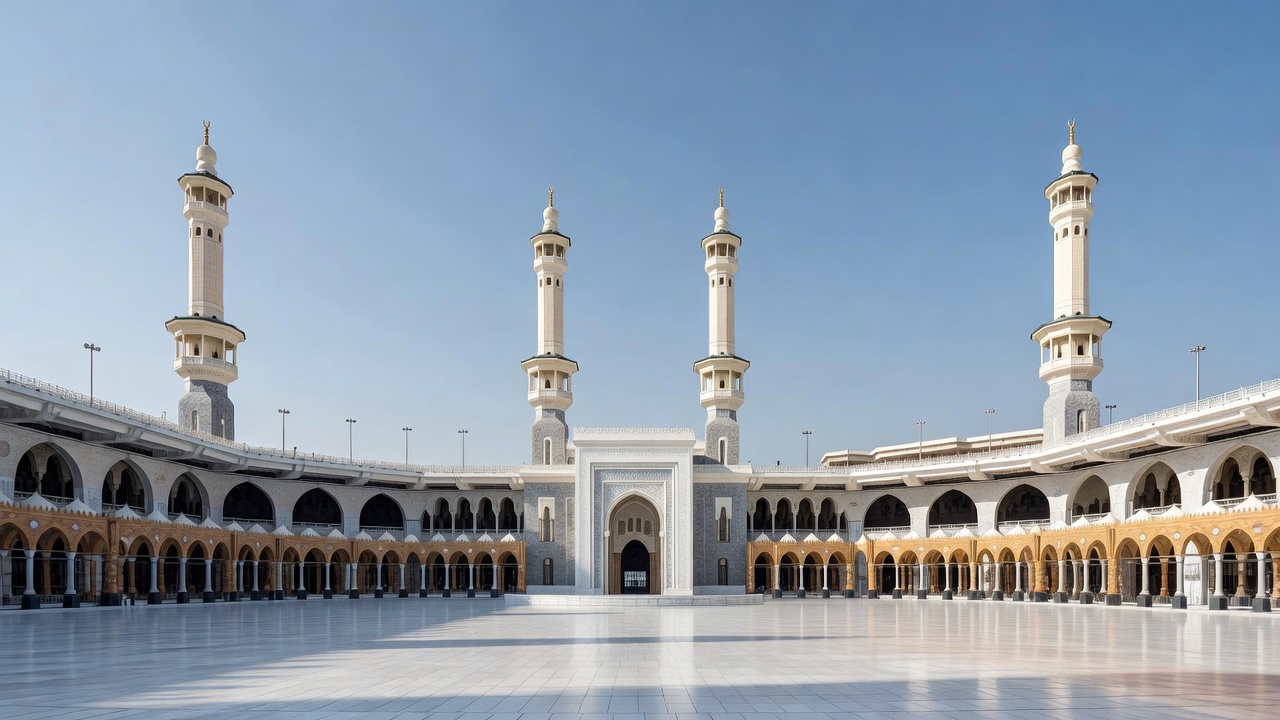
The Mecca Joint Defense Agreement was signed on August 7 in Mecca by Saudi Crown Prince Mohammed bin Salman, Turkish President Recep Tayyip Erdogan and Pakistani Prime Minister Shehbaz Sharif, the Associated Press reported. A PBS dispatch indicated that Pakistani officials described the pact as purely defensive and open to other nations in the region. The agreement stipulates that an armed attack against any one of the three states shall be regarded as an attack against them all, according to joint statements from the signatories. It aims to deepen security cooperation at a time of increased regional uncertainty.
Turkish Foreign Minister Hakan Fidan clarified that the pact is not targeted at Iran or any other country, a report by The Hill stated. He compared the mutual defense provision to NATO’s Article 5 while noting the agreement had been in preparation for two years prior to recent events. Fidan emphasized in an interview with Anadolu Agency that any country that does not attack the members is not a target.
The pact emerges amid fallout from tensions with Iran, a France 24 analysis found. Saudi Arabia, Turkey and Pakistan have combined significant capabilities, including Turkey’s status as holder of NATO’s second-largest army and Pakistan’s nuclear arsenal, according to AP figures. A Washington Post report placed the signing against a backdrop of questions over U.S. security commitments following recent conflicts.
Saudi Arabia has maintained a mutual defense agreement with Pakistan since September 2025, an Atlantic Council assessment noted. The three countries have cited collective deterrence as a core goal of the new arrangement. Officials from the signatories have reiterated that the Mecca Joint Defense Agreement seeks to enhance stability without directing threats at specific parties.
Добавить комментарий