Iranian authorities rejected an ultimatum from US President Donald Trump on April 5 2026 describing it as the work of a «helpless nervous» leader as Tehran claimed its forces had downed two American warplanes the previous day and Israeli strikes destroyed multiple bridges in Lebanon. Al Jazeera’s liveblog reported that the Iranian response underscored Tehran’s defiance amid the expanding US-Israel campaign against Iranian infrastructure and its allies. The developments came as search operations continued for a missing US airman with the conflict threatening to further destabilise the region.
Al Jazeera reported that Iranian military spokespersons confirmed the downing of an F-15 fighter jet over southwestern Iran and an A-10 aircraft near the Strait of Hormuz on April 3. A spokesperson for Iran’s Khatam al-Anbiya Central Headquarters stated that air defences had completely destroyed the F-15 according to the April 3 briefing carried by the network. US officials confirmed a search was under way for at least one pilot while declining to verify the second loss immediately. The claims added to the tally of aircraft losses in the opening weeks of direct confrontation between Iranian forces and the US-led coalition.
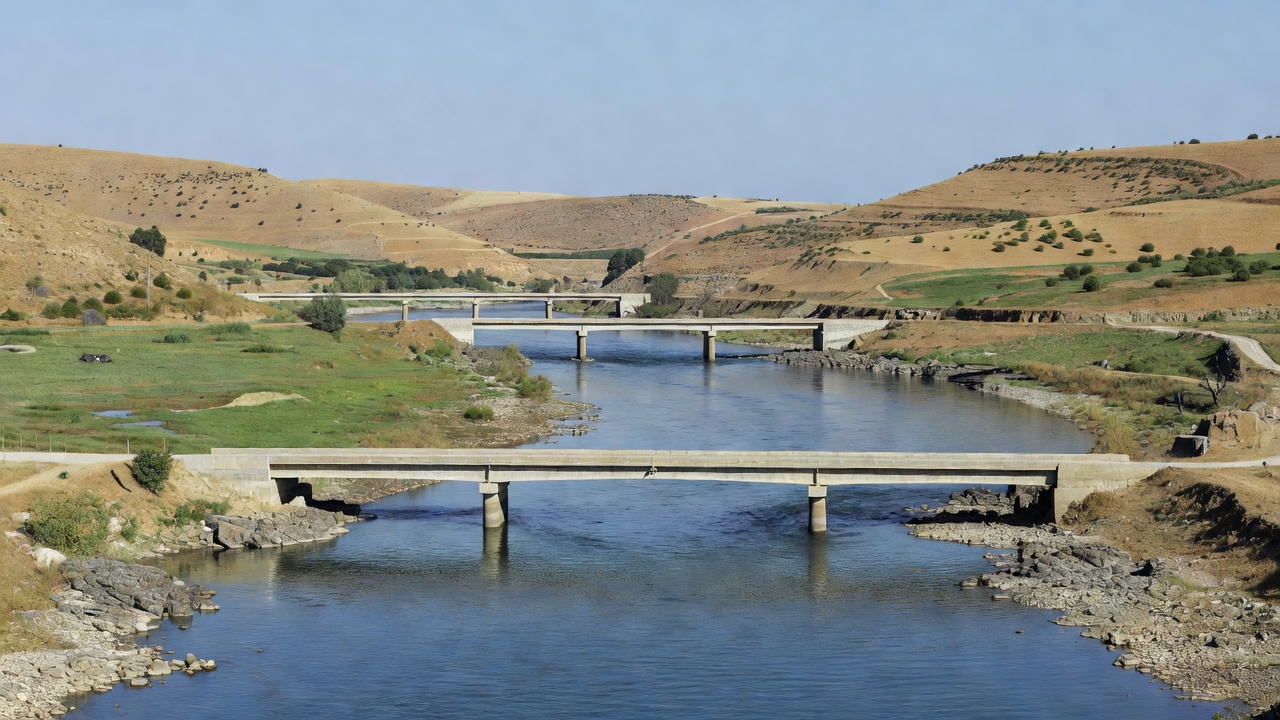
Israeli forces meanwhile conducted strikes on bridges spanning the Litani River in southern Lebanon with the aim of severing supply routes used by Hezbollah according to statements from the Israeli military cited by Al Jazeera. The Qasmiyeh Bridge and at least eight other crossings were hit repeatedly between March and early April Human Rights Watch documented in its April 10 assessment. These actions formed part of a broader operation that Lebanese authorities said had killed hundreds and displaced thousands in the affected areas. The Israeli defence minister declared that villages near the border and river crossings would be targeted until threats were neutralised.
Survivors of the bridge attacks recalled the terror of the sudden US-Israeli strikes in video testimony broadcast by Al Jazeera on April 5. One resident described hearing explosions that severed the only remaining link between southern communities and the rest of the country leaving families cut off from aid and medical care. The attacks compounded an already severe humanitarian situation in which transport routes had been systematically degraded over preceding weeks. Lebanese health officials reported that the infrastructure damage had slowed evacuation and relief efforts in the wake of earlier strikes.
Human Rights Watch reported that more than 100 Israeli strikes across Lebanon in early April including those on densely populated neighbourhoods in Beirut killed over 300 people and rendered key bridges unusable. The organisation’s assessment placed the cumulative bridge damage as a deliberate effort to isolate southern Lebanon from humanitarian corridors. United Nations monitors separately condemned the scale of civilian harm and called for immediate de-escalation to prevent further isolation of vulnerable populations. The strikes continued despite signals of possible cease-fire talks between Washington and Tehran.
The Iranian rejection of Trump’s demands was framed by officials as a response to perceived weakness in the US position following the reported aircraft losses. Al Jazeera noted that the ultimatum had centred on Iranian infrastructure and regional proxies but produced no immediate policy shift in Tehran. Iranian state television quoted senior figures asserting that the country’s defences would continue to impose costs on aggressors. The exchange highlighted the diplomatic impasse even as military operations persisted on multiple fronts.
Coverage of the April 4 events concluded with the liveblog noting that developments would be tracked on subsequent updates as the search for the missing American pilot remained active. Both US and Iranian forces participated in parallel recovery efforts near the crash sites according to statements relayed by Al Jazeera. The conflict which began with Israeli actions against Iranian targets had by early April drawn in direct American involvement and renewed fighting in Lebanon. Regional observers monitored the situation for signs of further escalation or negotiated pauses.
Добавить комментарий