The United Nations Framework Convention on Climate Change has called for an accelerated transition to clean energy and reduced reliance on fossil fuels, its executive secretary said on May 27 as record heatwaves affected Europe and parts of Asia. Simon Stiell described the latest extreme temperatures as a stark reminder of the growing human and economic costs of the climate crisis, which he attributed to continued dependence on coal, oil and gas coupled with deforestation. India recorded temperatures of 47.4 degrees Celsius on Monday while the United Kingdom and France experienced unusually high readings for the season, according to the Qatar News Agency report on the UNFCCC statement.
Stiell’s statement, as carried by the Qatar News Agency, warned that human-driven climate change is worsening such heatwaves across multiple regions. The UNFCCC executive secretary noted that events in Europe and India illustrate the intensifying impacts already under way. Several European countries have logged temperatures well above seasonal norms in recent days, extending a pattern of extreme spring weather that has also gripped parts of Asia.
The UK Met Office and Météo France both reported record May temperatures during the current heat dome, with readings exceeding 35 degrees Celsius in parts of the United Kingdom and France shattering previous benchmarks by as much as two degrees. European Space Agency satellite data released this week showed surface temperatures consistent with midsummer conditions in late May across Western Europe. Similar unseasonal heat has affected countries including China, Pakistan and South Korea, according to analysis by the Red Cross Red Crescent Climate Centre published on May 27.
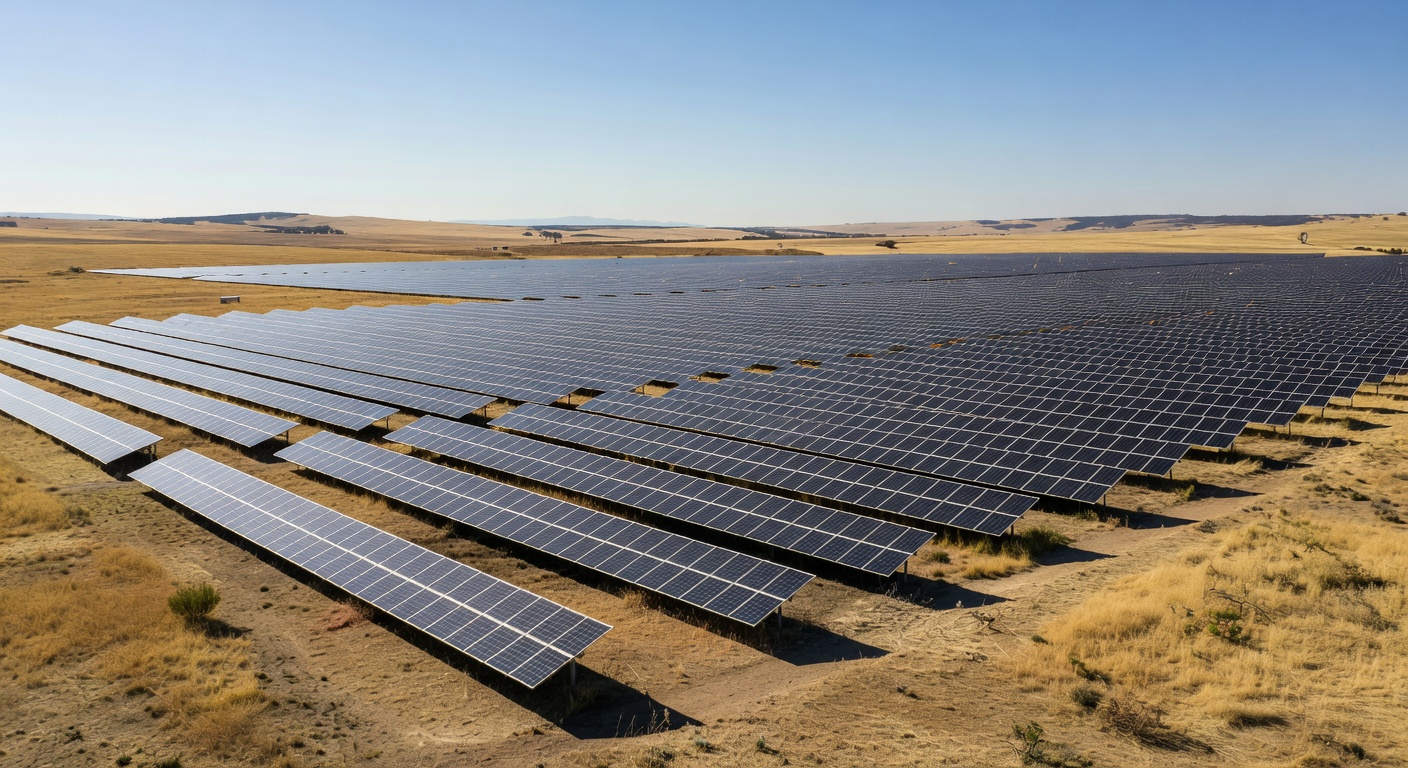
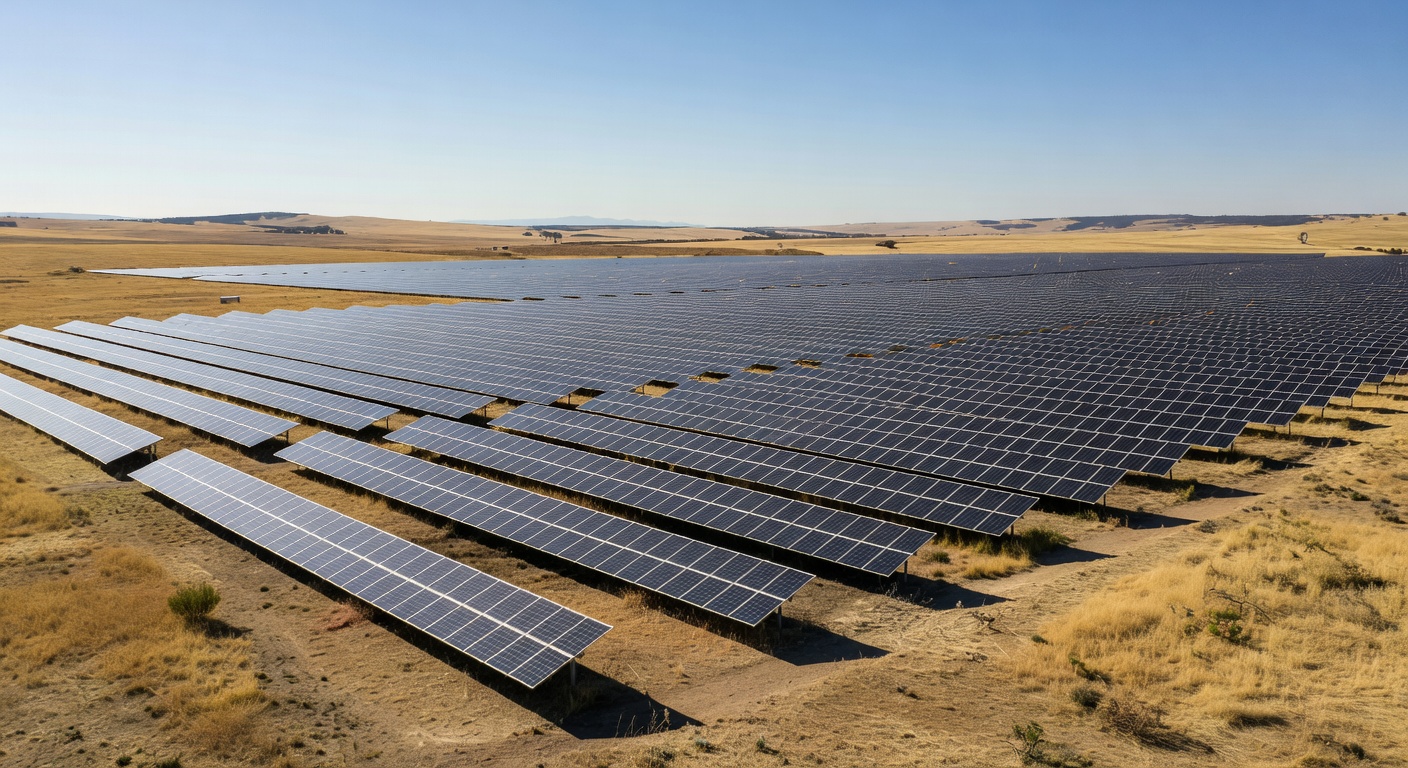
International Energy Agency figures show that renewable power capacity is on track to more than double globally by 2030, with growth between 2025 and 2030 exceeding that of the prior five-year period in over 80 percent of countries. Annual additions reached a record 560 gigawatts in 2023, and renewables overtook coal as the top electricity source in the first half of 2025, IRENA data indicate. Despite this progress, the agency has stressed that the pace must increase further to align with international climate commitments made at COP28 to triple renewable energy capacity by 2030.
A joint IRENA and Climate Policy Initiative assessment found that annual investments in renewable power must nearly double to $1.4 trillion between 2025 and 2030 to meet the 1.5 degrees Celsius pathway, while energy efficiency investment needs to rise 7.5 times to $2.6 trillion yearly. Current financing gaps remain substantial in heating, transport and other end-use sectors beyond electricity generation. China, Europe and the United States accounted for the majority of recent solar and wind deployment, with China meeting its 2030 solar target six years early, according to IEA tracking.
Stiell has repeatedly highlighted in 2026 statements that fossil fuel volatility undermines national security while renewables offer a faster, cheaper alternative insulated from geopolitical risks. In earlier remarks this year, the UNFCCC executive secretary pointed to the irony that fossil fuel proponents are inadvertently accelerating the renewables boom through market dynamics. The May 27 statement builds on this theme by tying immediate weather extremes to the longer-term need for systemic energy transformation across economies.