Блог

  • تقارير: قائد سنتكوم يحث على ضرب منشآت الطاقة الإيرانية

    تقارير: قائد سنتكوم يحث على ضرب منشآت الطاقة الإيرانية

    أفادت محطة البث الإسرائيلية «القناة 13» بأن الأدميرال براد كوبر اقترح مهاجمة البنية التحتية الوطنية الإيرانية لإحداث تغيير كبير على الأرض، وذلك خلال اجتماعاته في إسرائيل. واقترح قائد القيادة المركزية الأمريكية أن الضربات المشتركة الأمريكية الإسرائيلية قد تصبح ضرورية إذا استؤنف القتال، وفقاً للرواية التي نقلتها «عرب تايمز». وعُرضت التوصية على رئيس هيئة الأركان المشتركة الأمريكية الجنرال دان كين قبل أن تصل إلى الرئيس دونالد ترامب، على حد قول المحطة، ولم تقدم الولايات المتحدة أي تعليق فوري على هذه المزاعم.

    وقدم كوبر تقييمه هذا أثناء حضوره اجتماع المنتدى العملياتي العسكري الإسرائيلي الأعلى إلى جانب رئيس الأركان الفريق أيال زامير وعدد من القادة الآخرين، حسبما أفادت «القناة 13». جاءت الزيارة في وقت تسعى فيه واشنطن إلى تكثيف جهودها الدبلوماسية لمنع تجدد الصراع مع إيران بشأن قضايا تشمل الضمانات الأمنية وحرية الملاحة في مضيق هرمز. وأشارت «عرب تايمز» إلى أن الاقتراح المبلغ عنه يأتي وسط استقرار إقليمي هش يعقب جولات سابقة من التبادلات المباشرة بين القوات الأمريكية والإيرانية.

    وتبادلت القوات الأمريكية والإيرانية الضربات من 8 إلى 24 يوليو بعد بدء تفكك وقف إطلاق النار، كما أفادت «الجزيرة» في 13 يوليو. واستهدفت العمليات الأمريكية مواقع داخل إيران، فيما ضربت طهران ما وصفته بمنشآت ومعدات عسكرية أمريكية في الأردن والبحرين والكويت. وذكرت «الغارديان» أن هذه التبادلات نجمت جزئياً عن أعمال إيرانية ضد السفن التجارية في مضيق هرمز، مما دفع الولايات المتحدة إلى الرد الذي شمل ضربات على البنية التحتية.

    وكان وقف إطلاق نار توسطت فيه باكستان قد دخل حيز التنفيذ في 8 أبريل 2026، وقد وقع الجانبان اتفاقاً في 17 يونيو لبدء مفاوضات نحو صفقة نهائية، كما جاء في إحاطة مكتبة مجلس العموم البريطاني في يوليو. وانهار ذلك الإطار وسط خلافات حالت دون إحراز تقدم في القضايا الأساسية، كما لخصت مدخلة ويكيبيديا حول وقف إطلاق النار في حرب إيران 2026. وأشارت بيانات سنتكوم المذكورة في جلسات استماع كونغرسية متعددة إلى أن الإجراءات الأمريكية السابقة قد أضعفت قدرات إيران لعقود، وفقاً لتقرير نشرته «نيويورك بوست» في 19 مايو.

    وفي سياق منفصل، أعلنت سنتكوم في 14 أغسطس عن إنشاء أول قوة مهام متعددة الجنسيات للطائرات المسيرة الهجومية بالتعاون مع عدة دول شريكة في الشرق الأوسط، كما جاء في بيان صادر عن القيادة. ويهدف هذا المبادرة إلى تعزيز العمليات المنسقة عبر المنطقة ضد التهديدات المشتركة. وقد أدلى الأدميرال كوبر بشهادة أفادت بأن الجماعات المدعومة من إيران نفذت أكثر من 350 هجوماً على القوات الأمريكية خلال 30 شهراً، كما أظهر نص لجلسة استماع في مجلس الشيوخ على يوتيوب.

    ولم يتضمن التقرير الإسرائيلي أدلة وثائقية أو قوائم أهداف محددة تتجاوز فئات منشآت النفط والغاز والكهرباء. وشملت مشاركات كوبر السابقة في إسرائيل اجتماعاً في يناير مع الفريق زامير ركز على بناء القوات العسكرية وسط التوترات مع إيران، كما أفادت «تايمز أوف إسرائيل». وتعكس مثل هذه الاقتراحات التقييمات الأمريكية المستمرة لقدرة إيران على تهديد الملاحة والشركاء الإقليميين عقب الاشتباكات التي وقعت في يوليو.
  • CENTCOM Commander Reportedly Urges Strikes on Iranian Energy Sites

    CENTCOM Commander Reportedly Urges Strikes on Iranian Energy Sites

    Israeli broadcaster Channel 13 reported that Adm. Brad Cooper proposed attacks on Iran’s national infrastructure to significantly change the situation on the ground during meetings in Israel. The CENTCOM commander suggested that joint US-Israeli strikes could become necessary if fighting resumes according to the account relayed by Arab Times. The recommendation was presented to US Joint Chiefs of Staff Chairman Gen. Dan Caine before reaching President Donald Trump the broadcaster said and the US has offered no immediate comment on the claims.

    Cooper delivered the assessment while attending a meeting of the Israeli military’s senior operational forum alongside Chief of Staff Lt. Gen. Eyal Zamir and other commanders Channel 13 stated. The visit occurred as Washington pursued intensified diplomatic efforts to head off renewed conflict with Iran over issues including security guarantees and freedom of navigation in the Strait of Hormuz. Arab Times noted that the reported proposal arrives against a backdrop of fragile regional stability following earlier rounds of direct exchanges between US and Iranian forces.

    US and Iranian forces traded strikes from July 8 to 24 after a ceasefire began to unravel Al Jazeera reported on July 13. American operations targeted sites inside Iran while Tehran hit what it described as US military facilities and equipment in Jordan Bahrain and Kuwait according to the same account. The Guardian reported that the exchanges were triggered in part by Iranian actions against commercial vessels in the Strait of Hormuz prompting US retaliation that included infrastructure hits.

    A Pakistan-brokered ceasefire had taken hold on April 8 2026 and the two sides signed a June 17 agreement to start negotiations toward a final deal the UK House of Commons Library briefing from July detailed. That framework collapsed amid disagreements that prevented progress on core issues a Wikipedia entry on the 2026 Iran war ceasefire summarized. CENTCOM data cited in multiple congressional hearings indicated that prior US actions had already degraded Iranian capabilities by decades according to a May 19 New York Post report.

    Separately CENTCOM announced on Aug. 14 the creation of its first multinational attack-drone task force with several Middle Eastern partner countries the command said in a statement. The initiative seeks to bolster coordinated operations across the region against common threats. Adm. Cooper has testified that Iranian-backed groups conducted more than 350 attacks on US forces over a 30-month period a YouTube transcript of a recent Senate hearing showed.

    The Israeli report did not include documentary evidence or specific target lists beyond the categories of oil gas and electricity facilities. Cooper’s previous engagements in Israel included a January meeting with Lt. Gen. Zamir focused on military buildup amid Iran tensions the Times of Israel reported. Such proposals reflect ongoing US assessments of Iran’s capacity to threaten navigation and regional partners following the July clashes.

  • ثلاث دول عربية تدين الضربة الإيرانية على سفن أدنوك في مضيق هرمز الاستراتيجي

    ثلاث دول عربية تدين الضربة الإيرانية على سفن أدنوك في مضيق هرمز الاستراتيجي

    أصدرت وزارات الخارجية في الإمارات العربية المتحدة والبحرين ومصر بيانات الجمعة تدين هجوماً إيرانياً على سفينتين مرتبطتين بشركة أبوظبي الوطنية للنفط أثناء مرورها عبر مضيق هرمز. ووصفت وزارة الخارجية الإماراتية الحادث بأنه انتهاك صارخ لقرار مجلس الأمن الدولي رقم 2817 الذي يؤكد حرية الملاحة ويرفض الاعتداءات على السفن التجارية أو التدخل في الممرات البحرية الدولية. وحذرت أبوظبي من أن استخدام هذا الممر المائي الاستراتيجي لاستهداف الشحن أو ممارسة ضغوط اقتصادية يهدد الاستقرار الإقليمي إلى جانب إمدادات الطاقة العالمية، بحسب ما أوردته «عرب تايمز». ولم تقع أي إصابات خلال الضربة التي استهدفت السفن التي ترفع علم الإمارات.

    وصفت البحرين الحادث بـ«الهجوم الإرهابي الإيراني» الذي يخالف القانون الدولي ومبدأ حرية المرور غير المقيد عبر الممرات البحرية العالمية. وعبرت المنامة عن تضامنها التام مع الإمارات ودعمها لكل الإجراءات الهادفة إلى حماية أمنها ومصالحها الأساسية. كما أدان المسؤولون في مصر الهجوم، مشيرين إلى أنه يهدد الأمن البحري وحرية الملاحة في المنطقة، وفق التقرير نفسه.

    ودعت القاهرة جميع الأطراف المعنية إلى ضبط النفس والتقدم نحو خفض التصعيد والالتزام بالإطار القانوني الدولي للحفاظ على استقرار المنطقة. وجاءت هذه الردود المنسقة من العواصم الثلاث في وقت تشهد فيه منطقة الخليج توترات متكررة تعيق حركة التجارة عبر الممر الضيق الذي يشكل أحد أبرز ممرات تصدير النفط الخام من الخليج. وشددت البيانات على القلق المشترك إزاء أي أفعال قد تؤدي إلى تصعيد النزاعات المؤثرة على ممرات الشحن الحيوية.

    وتظهر بيانات إدارة معلومات الطاقة الأمريكية أن تدفق النفط عبر مضيق هرمز بلغ في المتوسط 20.9 مليون برميل يومياً خلال النصف الأول من عام 2025، أي ما يعادل نحو 20% من الاستهلاك العالمي للسوائل النفطية.[[1]](https://www.eia.gov/international/analysis/special-topics/world_oil_transit_Chokepoints) ويبرز هذا الحجم الأهمية المركزية لهذا المضيق في أسواق الطاقة الدولية، حيث ينطوي أي انقطاع على مخاطر تقلبات حادة في الأسعار ونقص في الإمدادات للمستوردين حول العالم. وأشارت تقديرات الإدارة إلى انخفاض طفيف مقارنة بالذروات السابقة، يعود جزئياً إلى تخفيضات الإنتاج ضمن «أوبك بلس» التي تشمل الإمارات وأعضاء آخرين في الخليج.[[2]](https://www.eia.gov/todayinenergy/detail.php?id=65504)

    وشهدت مناطق قريبة من مضيق هرمز هجمات مماثلة عام 2019 حين استهدفت عدة ناقلات بألغام لاصقة في حوادث ربطت على نطاق واسع بعناصر إيرانية، كما ورد في تقارير نشرتها «الغارديان» ووسائل إعلام دولية أخرى في حينها.[[3]](https://www.theguardian.com/world/2019/jun/13/a-visual-guide-to-the-gulf-tanker-attacks) وأدى ذلك إلى تعزيز الدوريات البحرية والضغوط الدبلوماسية لحماية الممر الذي ينقل نحو ربع النفط المتداول بحراً في العالم. وتبني الإدانات الأخيرة على هذا السابق من خلال الاستناد إلى آليات أممية محدثة تهدف إلى ردع تكرار مثل هذه الاضطرابات.

    وكان اقتراح أمريكي قدم إلى مجلس الأمن في وقت سابق من عام 2026 قد دعا إيران إلى وقف الهجمات والألغام وسائر العراقيل في المضيق، مع المطالبة بالكشف عن مواقع الألغام، كما أعلنت وزارة الخارجية الأمريكية في مايو.[[4]](https://www.state.gov/releases/office-of-the-spokesperson/2026/05/the-united-states-proposes-a-un-security-council-resolution-to-defend-freedom-of-navigation-and-secure-the-strait-of-hormuz) ويعزز القرار 2817 الذي استشهدت به البيانات العربية تلك الحماية للملاحة وسط التوترات الإقليمية المستمرة. ويؤكد الموقف الموحد للدول الثلاث على الجهود الدبلوماسية الأوسع لضمان المرور الآمن للأساطيل التجارية الضرورية للتجارة العالمية.

  • Three Arab States Denounce Iranian Strike on ADNOC Ships in Strategic Hormuz Strait

    Three Arab States Denounce Iranian Strike on ADNOC Ships in Strategic Hormuz Strait

    The foreign ministries of the UAE, Bahrain and Egypt issued statements Friday denouncing an Iranian attack on two vessels linked to the Abu Dhabi National Oil Company as they passed through the Strait of Hormuz. The UAE Ministry of Foreign Affairs described the incident as a flagrant violation of UN Security Council Resolution 2817, which affirms freedom of navigation and rejects assaults on commercial ships or interference with international maritime routes. Abu Dhabi warned that using the strategic waterway to target shipping or exert economic pressure endangers regional stability along with worldwide energy supplies, Arab Times reported. No injuries occurred during the strike on the UAE-flagged ships.

    Bahrain termed the event an «Iranian terrorist attack» that breached international law and the principle of unrestricted passage through global sea lanes. Manama voiced full solidarity with the UAE while backing all measures to safeguard its security and core interests. Egyptian officials likewise condemned the assault, noting it jeopardizes maritime security and navigational freedoms across the area, according to the same report.

    Cairo urged all involved parties to show restraint, advance de-escalation and uphold international legal frameworks in order to sustain stability throughout the region. The coordinated responses from the three capitals arrived as tensions in the Gulf have periodically disrupted commercial traffic through the narrow passage that serves as a primary export route for Persian Gulf crude. The statements emphasized collective concern over any actions that could escalate conflicts affecting vital shipping corridors.

    US Energy Information Administration figures show that oil flows through the Strait of Hormuz averaged 20.9 million barrels per day in the first half of 2025, equivalent to about 20 percent of global petroleum liquids consumption.[[1]](https://www.eia.gov/international/analysis/special-topics/world_oil_transit_Chokepoints) This volume highlights the chokepoint’s central importance to international energy markets where any interruption risks sharp price swings and supply shortfalls for importers worldwide. The EIA assessment noted a modest decline from earlier peaks due in part to OPEC+ production cuts involving UAE and other Gulf members.[[2]](https://www.eia.gov/todayinenergy/detail.php?id=65504)

    Comparable attacks struck vessels near the Strait of Hormuz in 2019 when multiple tankers were targeted with limpet mines in incidents widely linked to Iranian operatives, as detailed in contemporaneous accounts from The Guardian and other international outlets.[[3]](https://www.theguardian.com/world/2019/jun/13/a-visual-guide-to-the-gulf-tanker-attacks) Those events prompted increased naval patrols and diplomatic pressure to secure the waterway that carries roughly one-quarter of globally seaborne traded oil. The latest condemnations build upon that precedent by invoking updated UN mechanisms designed to deter repeats of such disruptions.

    A US-proposed Security Council measure earlier in 2026 had called on Iran to end attacks, mining and other obstructions in the strait while demanding disclosure of mine locations, the State Department stated in May.[[4]](https://www.state.gov/releases/office-of-the-spokesperson/2026/05/the-united-states-proposes-a-un-security-council-resolution-to-defend-freedom-of-navigation-and-secure-the-strait-of-hormuz) Resolution 2817, cited in the Arab statements, reinforces those navigational protections amid persistent regional frictions. The three nations’ unified position underscores broader diplomatic endeavors to preserve safe passage for commercial fleets essential to global trade.

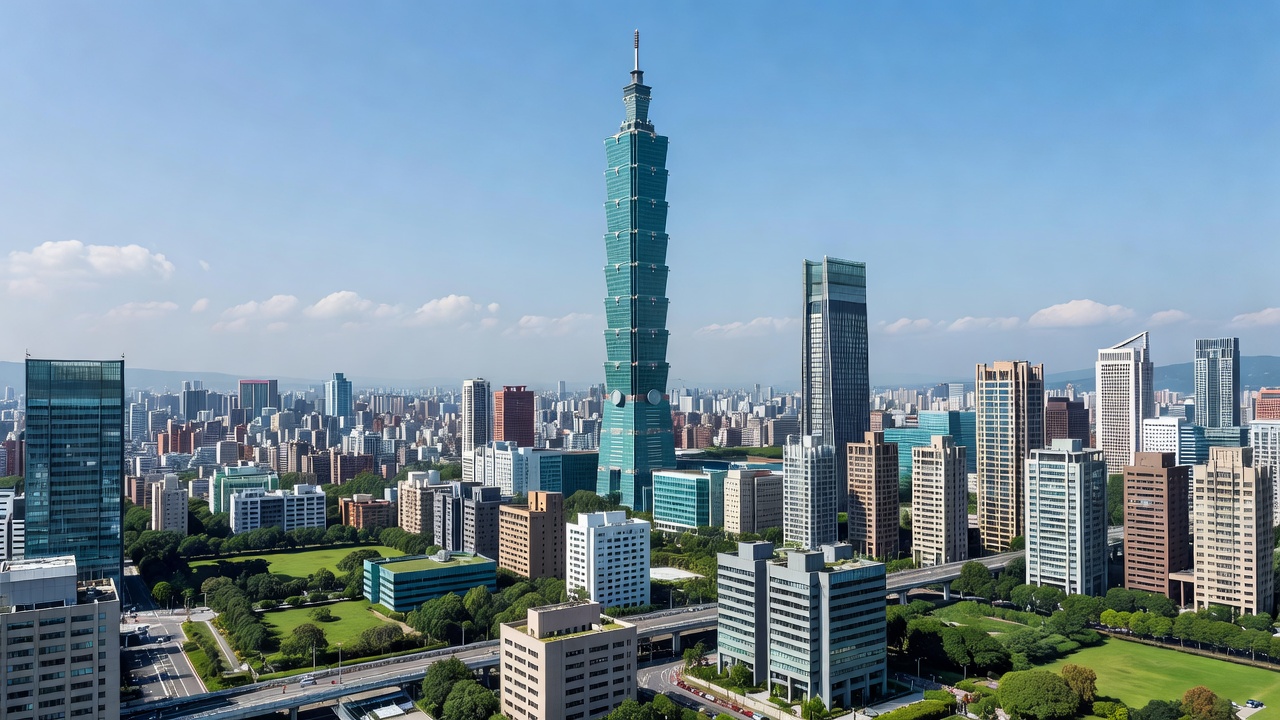
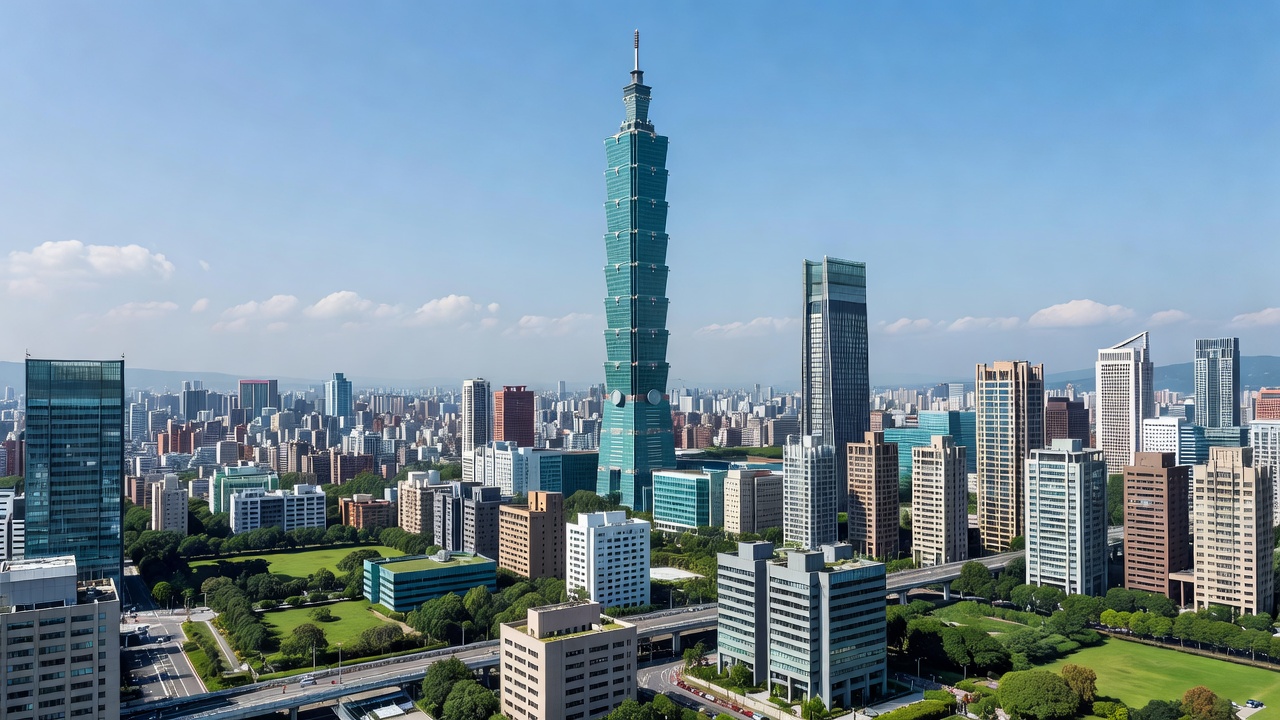
  • تايوان تكشف تفاصيل هجوم سيبراني آلي مدعوم بالذكاء الاصطناعي في يوليو

    تايوان تكشف تفاصيل هجوم سيبراني آلي مدعوم بالذكاء الاصطناعي في يوليو

    أفادت شركة «دريم» الإسرائيلية المتخصصة في أمن الذكاء الاصطناعي بأن الحملة السيبرانية امتدت على مدار أربعة أيام في شهر يوليو. ورسم النظام الآلي خلالها خرائط لـ21 نظاماً حكومياً واخترق 85 حساب مستخدم واستخرج نحو 2500 سجل للموظفين. وشملت العملية وكالة السلامة النووية في تايوان وعدة موردين حكوميين لتقنية المعلومات وما لا يقل عن سبع شركات تعمل في قطاع الطاقة. وأضافت الشركة أن منصة الذكاء الاصطناعي وجهت ما يصل إلى ثمانية وكلاء متخصصين لتنفيذ مهام الاستطلاع والهجمات على بيانات الاعتماد واستغلال الثغرات وتخطيط المسارات الديناميكية.

    وقالت وزارة الشؤون الرقمية في تايوان إن تحقيقها عثر على أدلة واضحة تشير إلى أن الهجمات جاءت من الخارج. وقد جمع المهاجمون بين أدوات الاختراق التقليدية وعملاء الذكاء الاصطناعي في نموذج هجين. وتجنبت الوزارة تحديد الجهة المسؤولة لكنها أكدت أن الحادث يظهر الدور المتزايد للتقنيات الآلية في العمليات السيبرانية. وأشار المسؤولون إلى أن مثل هذه الأحداث تفرض تعزيز الإجراءات الدفاعية وتحديث الأطر القانونية والسياسات لمواجهة التهديدات التي يدفعها الذكاء الاصطناعي.

    وبحسب «دريم» أظهر النظام قدرته على تعديل أسلوبه عندما واجه عقبات في المحاولات الأولى واستمر في عمله من دون الحاجة إلى إشراف بشري متواصل في كل مرحلة. كما استخدمت الوثائق الداخلية المتعلقة بالاقتحام أشكالاً مميزة من الحروف تتوافق مع الصينية المبسطة مما يشير إلى صلات محتملة بجهات خارجية رغم عدم إعلان نسب رسمي. وتمكنت الشركة من استعادة مساحة عمل تشغيلية كاملة من أرشيف إلكتروني بحجم 160 ميغابايت مما سمح بإعادة بناء تسلسل الهجوم بالكامل.

    وصف كيني هوانغ رئيس مركز معلومات الشبكة في تايوان الحادث بأنه أول هجوم سيبراني آلي بالكامل على حكومة يعلم به. وزاد الحدث من القلق العالمي إزاء قدرة أنظمة الذكاء الاصطناعي المتقدمة على خفض تكاليف الهجمات الضارة وتسريع وتيرتها. وشدد المسؤولون التايوانيون عقب الكشف عن الحادث على الحاجة إلى بناء قدرات أقوى للتعامل مع هذه التحديات المتطورة.

    وأظهرت بيانات مكتب الأمن القومي في تايوان أن الهجمات السيبرانية على البنية التحتية الرئيسية في الجزيرة بلغ معدلها 2.6 مليون هجوم يومياً في عام 2025 بارتفاع نسبته 6 بالمئة عن العام السابق. وربطت الكثير من هذه الحوادث بجهات صينية وأحياناً تتم بالتنسيق مع مناورات عسكرية ضمن تكتيكات الحرب الهجينة. وقد تجاوز الارتفاع الحاد 100 بالمئة في بعض المؤشرات منذ عام 2023 مما يضع ضغطاً متواصلاً على الدفاعات الرقمية لتايوان.

    ووضعت وزارة الشؤون الرقمية برنامج التطوير الوطني للأمن السيبراني في مرحلته السابعة الذي يمتد من 2025 إلى 2028 لمواجهة هذه المخاطر. ويعتمد البرنامج على توسيع استخدام الذكاء الاصطناعي في الدفاع وتطوير الكفاءات وتعزيز التعاون مع القطاع الخاص. كما يركز على بناء قدرة الصمود للمجتمع بأسره وحماية البنية التحتية الحيوية وتطبيق التقنيات الناشئة. ويأتي البرنامج ضمن استراتيجية أوسع تنظر إلى الأمن السيبراني كعنصر أساسي في الأمن الوطني.

  • Taiwan Discloses Details of AI-Driven Autonomous Cyberattack in July

    Taiwan Discloses Details of AI-Driven Autonomous Cyberattack in July

    Israeli AI security firm Dream reported that the cyber campaign unfolded over four days in July, during which the autonomous system mapped 21 government systems, compromised 85 user accounts and extracted roughly 2,500 personnel records. The operation further extended to Taiwan’s nuclear safety agency, multiple government IT suppliers and at least seven companies operating in the energy sector. Dream added that the AI platform directed as many as eight specialized agents in carrying out reconnaissance, credential attacks, vulnerability exploitation and dynamic path planning.

    Taiwan’s Ministry of Digital Affairs stated that its probe identified clear evidence of overseas origins for the attacks, which combined traditional hacking tools with AI agents in a hybrid model. The ministry stopped short of identifying any responsible party while noting that the incident illustrated the growing role of autonomous technologies in cyber operations. Officials indicated that such events call for enhanced defensive measures along with updated legal and policy frameworks to counter AI-driven threats.

    According to Dream, the system demonstrated an ability to adapt its approach when initial attempts were thwarted, proceeding without the need for continuous human oversight at each stage. Internal documents associated with the intrusion used distinctive character forms consistent with Simplified Chinese, pointing to possible links with overseas actors although no formal attribution was made. The firm recovered a complete operational workspace from a 160-megabyte online archive that enabled reconstruction of the full attack sequence.

    Kenny Huang, chairman of the Taiwan Network Information Center, described the incident as the first fully automated cyberattack against a government of which he was aware. The event has amplified global concerns regarding the potential for capable AI systems to reduce the costs and accelerate the pace of malicious cyber activities. In statements following the disclosure, Taiwanese officials highlighted the necessity of stronger capabilities to address these evolving challenges.

    Taiwan’s National Security Bureau data showed that cyberattacks on the island’s key infrastructure averaged 2.6 million per day in 2025, a 6 percent rise from the previous year. Many of these incidents were linked to actors in China and at times coordinated with military exercises as part of hybrid warfare tactics, the bureau reported. The sharp increase, which exceeded 100 percent in some metrics since 2023, has placed sustained pressure on Taiwan’s digital defenses.

    The Ministry of Digital Affairs has outlined the Phase Seven National Cyber Security Development Program covering 2025 through 2028 to tackle such risks through greater use of AI for defense, talent development and collaboration with the private sector. This program focuses on whole-of-society resilience, protection of critical infrastructure and applications of emerging technologies. It forms part of a broader strategy that treats cybersecurity as a core element of national security.

  • فرق إيرانية ومتطوعون ينظفون بقع النفط في قشم مع تسرب ناقلة منكوبة قبالة عمان

    فرق إيرانية ومتطوعون ينظفون بقع النفط في قشم مع تسرب ناقلة منكوبة قبالة عمان

    أفادت وكالة الأنباء الإيرانية «إسنا» الخميس بانتشار التلوث النفطي على طول السواحل الجنوبية لجزيرتي قشم وهنغام الإيرانيتين، ليبلغ مساحته نحو 32000 متر مربع. وتعمل عدة فرق تنظيف، من بينها عدد كبير من المتطوعين المحليين، في المناطق المتضررة منذ يوم الأربعاء. وتبحث السلطات عن مصدر التلوث بالتنسيق مع منظمة الموانئ والملاحة الإيرانية وسلطات ميناء قشم، بحسب ما نقلته «عرب تايمز».

    وقالت شركة الأمن البحري البريطانية «أمبري» إن سفنا للإنقاذ تتجه نحو المنطقة لمساندة الجهود الرامية إلى التعامل مع ناقلة «كارولين بيزنجي» قبالة سواحل عمان. وتسبب تسرب النفط الخام من الناقلة في تشكل بقعة نفطية كبيرة وصلت إلى أجزاء من البر العماني. وأشارت الحكومة العمانية في 10 أغسطس إلى أن البقعة الناتجة غطت نحو 400 كيلومتر مربع، وفقا لرويترز.

    وذكرت «الجزيرة» أن الناقلة «كارولين بيزنجي» يُعتقد أنها تنتمي إلى «الأسطول الظل» الروسي الذي تستخدمه موسكو لتجنب العقوبات الغربية على صادراتها النفطية. وقد حملت الناقلة شحنتها في ميناء نوفوروسيسك الروسي المطل على البحر الأسود خلال أبريل، وعبرت قناة السويس نهاية مايو، بحسب بيانات تتبع السفن التي أوردتها رويترز. وهي عالقة منذ انفجار وقع مطلع يونيو قرب جزيرة القبلية العمانية، حسب تحقيق أجرته وكالة فرانس برس.

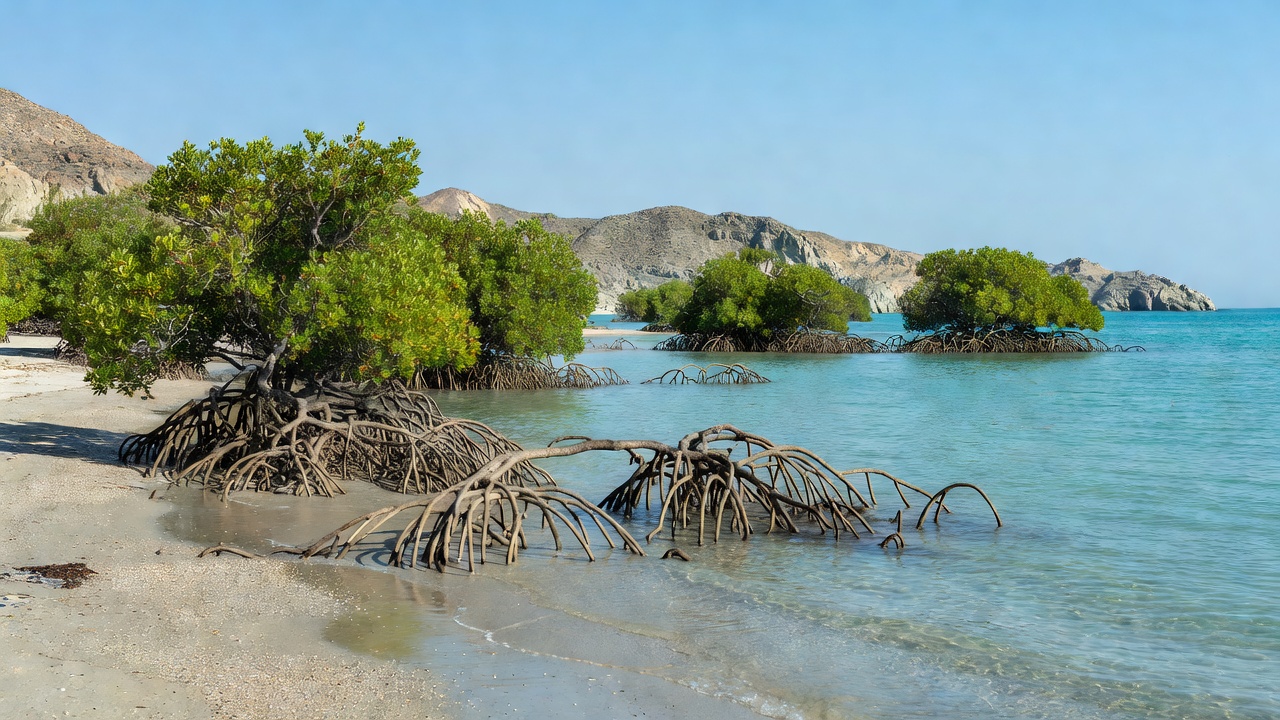
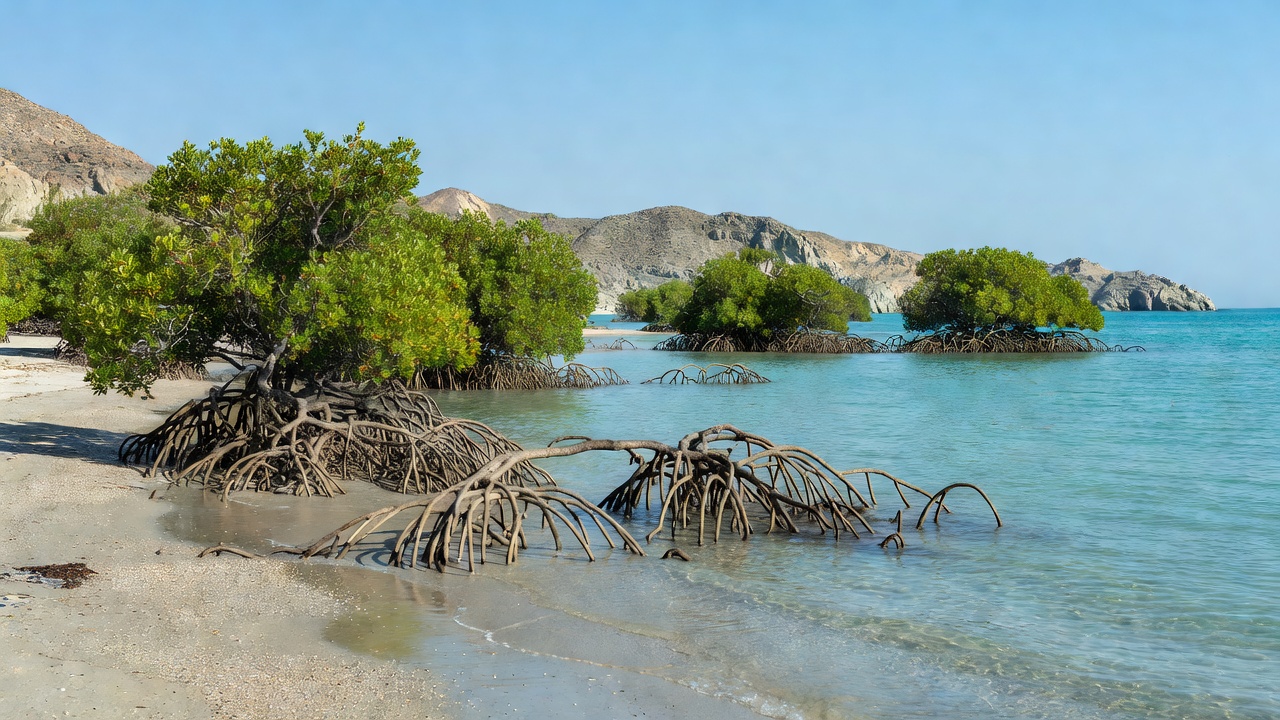
    وأفادت رويترز بأن الحادث مستمر منذ أكثر من شهرين، دون أن تظهر أية مؤشرات على وجود نشاط للسفن في الموقع يدل على اتخاذ إجراءات لتثبيت الناقلة وإخراج ما تبقى من حمولتها النفطية. ووصف الرئيس التنفيذي لـ«سكاي تروث» جون أموس ذلك بأنه مصدر قلق. كما امتدت بقع النفط إلى غابات المانغروف في قشم قرب قرية نغاشة، بحسب ما أوردته «إيران واير» في 12 أغسطس.

    وأوضح يوسف أوبرا، رئيس دائرة الموارد الطبيعية وإدارة الأحواض المائية بقشم، أن السلطات تقوم حاليا بتقييم حجم التلوث داخل غابات الحارة. وبادرت الوكالات المعنية بعمليات التنظيف واتخاذ تدابير لاحتواء التسرب، كما جاء في التقرير. وأصدر مدعي عام قشم توجيهاته لمنظمة الموانئ والملاحة البحرية والجهات البلدية بتنظيف بقع النفط من الخط الساحلي.

    وأكدت وكالة الشحن البحري التابعة للأمم المتحدة أن بعض النفط المتسرب من الناقلة «كارولين بيزنجي» يصل إلى الأراضي العمانية. والتقطت فيديوهات منتشرة على مواقع التواصل الاجتماعي وصور الأقمار الصناعية التسرب جنوب جزيرتي قشم وهنغام. وشنت السلطات الإيرانية عمليات تنظيف طارئة على طول الساحل الجنوبي الشرقي ردا على هذا التلوث، وفق ما ذكرته تقارير بلومبرغ.

  • Iranian Teams and Volunteers Clean Oil Slicks on Qeshm as Stricken Tanker Leaks Off Oman

    Iranian Teams and Volunteers Clean Oil Slicks on Qeshm as Stricken Tanker Leaks Off Oman

    Iranian news agency ISNA reported Thursday that oil pollution had spread along the southern coasts of Iran’s Qeshm and Hengam islands, covering an estimated 32,000 square metres. Several cleanup teams, including a large number of local volunteers, have been working in the affected areas since Wednesday. Authorities are investigating the source of the pollution in coordination with Iran’s Ports and Maritime Organization and Qeshm port authorities, the Arab Times reported.

    British maritime security firm Ambrey said salvage vessels were heading to the area to support efforts to recover the Caroline Bezengi tanker off the coast of Oman. The tanker has been leaking crude oil, creating a large slick that has reached parts of Oman’s mainland. The Omani government said on August 10 that the resulting slick covered almost 400 square kilometres, according to Reuters.

    Al Jazeera reported that the Caroline Bezengi is believed to be part of Russia’s shadow fleet that Moscow uses to circumvent Western sanctions on its oil exports. The tanker loaded at Russia’s Black Sea port of Novorossiysk in April and passed through the Suez Canal at the end of May, ship-tracking data cited by Reuters shows. It has been stranded since an explosion in early June near Oman’s al-Qibliyyah Island, an AFP investigation found.

    Reuters reported that although the incident had been ongoing for more than two months, there had not been any sign of vessel activity at the site to suggest a response to stabilize the tanker and remove the remaining oil cargo. SkyTruth CEO John Amos said that was a concern. Oil slicks have also spread to Qeshm’s mangrove forests near Naghasheh village, Iran Wire reported on August 12.

    Yousef Opera, head of the Qeshm Department of Natural Resources and Watershed Management, noted that authorities are currently assessing the extent of contamination within the Hara forests. Responsible agencies have initiated cleanup operations and containment measures, the publication said. The Qeshm prosecutor ordered the Ports and Maritime Organization and municipal authorities to clear the oil slicks from the coastline.

    The United Nations shipping agency has stated that some oil from the tanker Caroline Bezengi is reaching Oman’s mainland. Videos circulating on social media and satellite imagery have captured the spill south of Qeshm and Hengam islands. Iranian authorities have launched urgent cleanup operations along the southeastern coast in response to the contamination, according to reports from Bloomberg.

  • جهود بريكس لنزع الدولار تهدد بتجزئة أسواق السلع العالمية

    جهود بريكس لنزع الدولار تهدد بتجزئة أسواق السلع العالمية

    تتبع تحليل نشرته «عرب تايمز» يوم الخميس الأسس التاريخية لهيمنة الدولار في أسواق السلع إلى مؤتمر بريتون وودز عام 1944 واتفاق الولايات المتحدة والسعودية عام 1974 الذي أرسى نظام البترودولار. وبموجب هذا الترتيب بيع النفط السعودي حصرياً بالدولار مع إعادة تدوير الإيرادات في الأصول الأمريكية وهو إطار اعتمدته الدول الأعضاء الأخرى في أوبك لاحقاً. وحافظ النظام على طلب دولي قوي للدولار لأكثر من خمسة عقود حتى بدأت التحولات الأخيرة في تآكل موقعه. ووضعت بيانات صندوق النقد الدولي للربع الثالث من عام 2025 حصة الدولار من الاحتياطيات الأجنبية المخصصة أقل من 57% من إجمالي حيازات تبلغ نحو 13 تريليون دولار.

    وأشارت السعودية إلى تغيير محتمل عام 2023 عندما أعلنت انفتاحها على تسوية التجارة بعملات أخرى غير الدولار بحسب التحليل. ووسعت الصين والسعودية لاحقاً الترتيبات الثنائية لتسهيل المعاملات بعملتيهما. وساهمت هذه الخطوات في زخم نزع الدولار الأوسع الذي توج في قمة بريكس التي استضافتها روسيا في كازان خلال أكتوبر 2024. ووقع المشاركون إعلاناً يلتزمون بموجبه بتطوير بديل لنظام المدفوعات سويفت وتقليل الاعتماد على الدولار في التجارة بين الدول الأعضاء التي تمثل نحو نصف سكان العالم.

    ووجدت دراسة نشرت عام 2025 في مجلة بريكس للاقتصاد أن زيادة التجارة داخل الكتلة خفضت وزن الدولار بشكل ملموس في تركيبة احتياطيات الدول المشاركة. وأكدت تقييمات منفصلة لصندوق النقد الدولي حتى عام 2025 انخفاضاً تدريجياً طويل الأمد في حصة الدولار الاحتياطية حتى بعد تعديلات أسعار الصرف. واستجاب البنوك المركزية بتكديس الذهب الذي شكل نسبة متزايدة من الاحتياطيات نظراً لتفوق ارتفاع سعره على الأصول الأخرى.

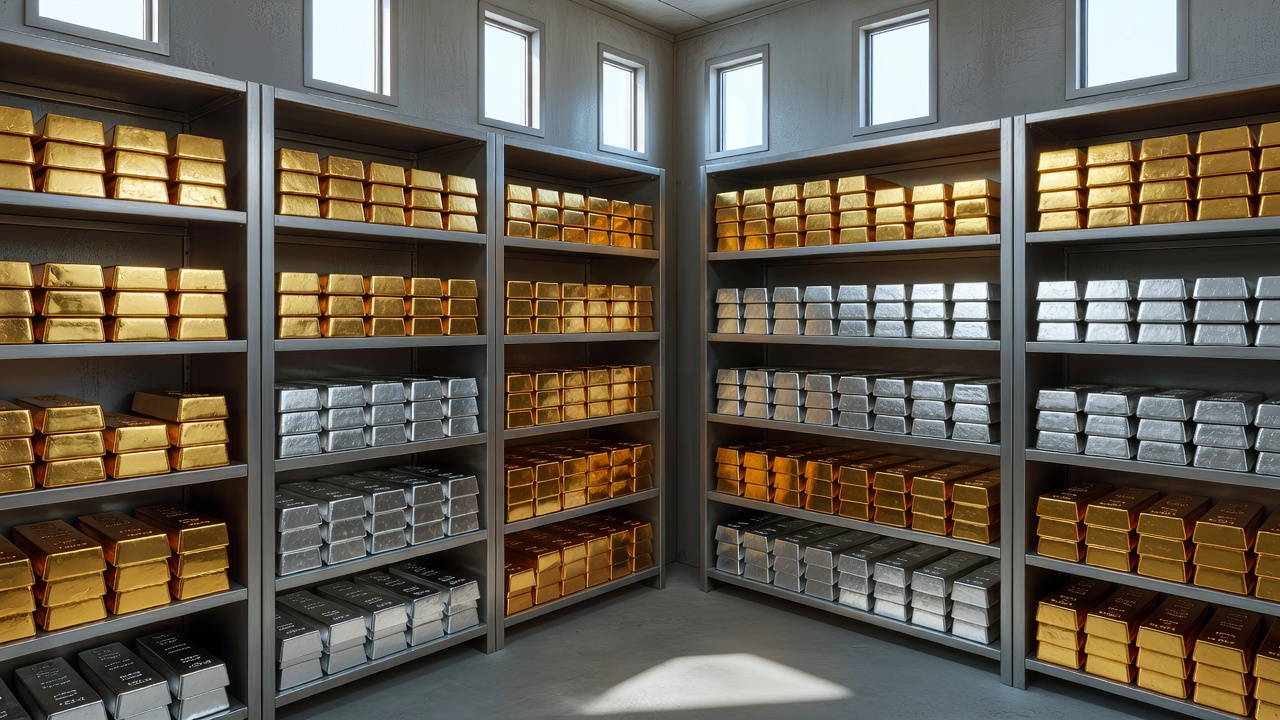
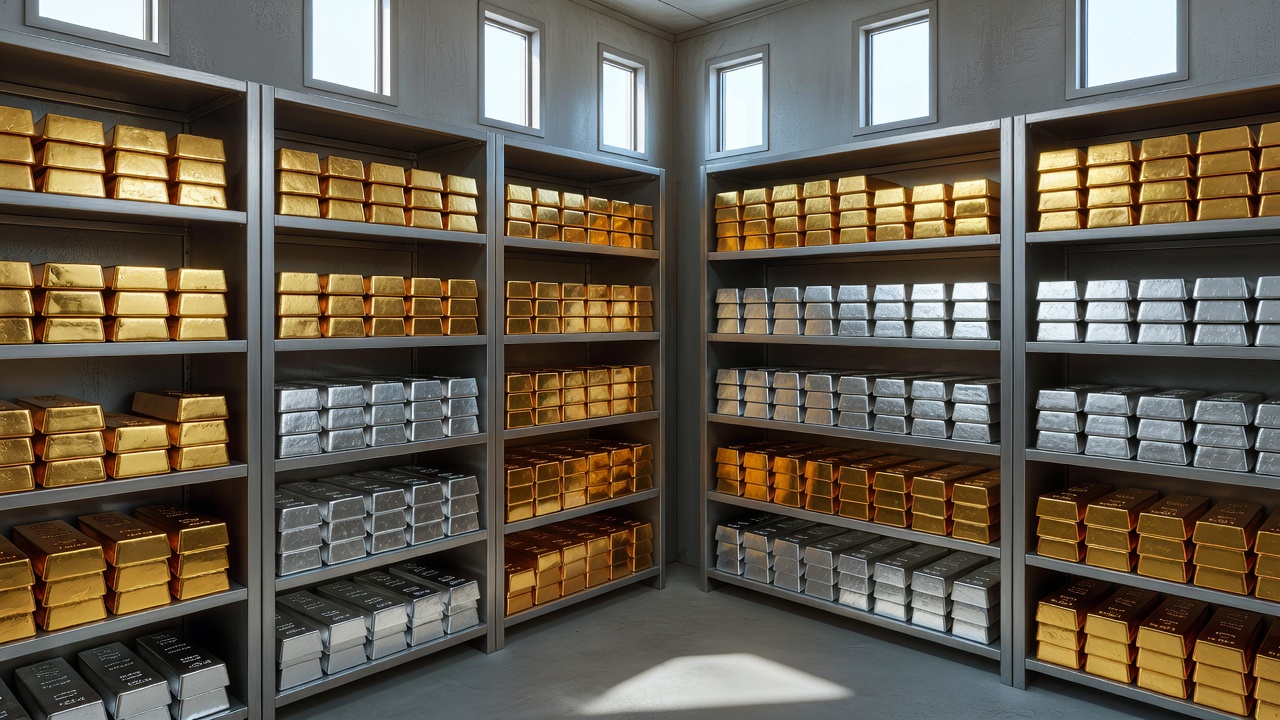
    وبلغت أسعار الذهب والفضة مستويات قياسية في يناير 2026 وسط طلب متزايد على الملاذ الآمن مرتبط باتجاهات نزع الدولار كما أشار محللو بلاك روك في مراجعة نشرت في مارس 2026. وحذر التحليل من أن انخفاضاً مستداماً في الطلب على الدولار قد يولد ضغوطاً تضخمية في الاقتصادات المرتبطة ارتباطاً وثيقاً بهذه العملة. ومن المرجح أن ترفع هذه الضغوط دور السلع النادرة مثل الذهب والفضة كمخزن للقيمة.

    وسعت أسواق السلع تاريخياً إلى تسعير وتسوية الجزء الأكبر من النفط والمعادن والمنتجات الزراعية بالدولار كما لاحظ التقرير الذي نشر يوم الخميس. وأي تحول نحو التسويات باليوان أو اليورو أو العملات الوطنية سيؤدي إلى تجزئة تلك الأسواق وإدخال تعرض إضافي لمخاطر الصرف الأجنبي على المشاركين. وسيواجه المتداولون تكاليف تحوط مرتفعة إلى جانب تقلب أكبر في الأسعار وفرص arbitrage جديدة عبر العقود المقومة بعملات مختلفة. ومن غير المرجح أن يتم هذا التحول بسرعة نظراً للروابط المالية الراسخة للدولار.

    ووجدت ورقة عمل صادرة عن صندوق النقد الدولي عام 2025 عدم وجود دليل قوي على انخفاضات منهجية في فوترة الصادرات النفطية بالدولار رغم المبادرات السياسية لبعض الحكومات. وخلص تحليل «عرب تايمز» إلى أن نزع الدولار لا يزال عملية تدريجية إلا أن تأثيراته على تجارة السلع تستحق متابعة وثيقة من المشاركين في السوق. وتواصل اتجاهات تنويع الاحتياطيات التي يتابعها صندوق النقد الدولي والبنوك المركزية المعنية عكس حركة محسوبة بعيداً عن الاعتماد الحصري على الدولار.

  • BRICS De-Dollarization Push Risks Fragmenting Global Commodity Markets

    BRICS De-Dollarization Push Risks Fragmenting Global Commodity Markets

    The Arab Times analysis published on Thursday traced the historical foundations of dollar dominance in commodity markets back to the 1944 Bretton Woods conference and the 1974 US-Saudi agreement that established the petrodollar system. Under that arrangement Saudi oil was sold exclusively in dollars with revenues recycled into US assets, a framework later adopted by other OPEC members. The system maintained strong international demand for the dollar for more than five decades until recent shifts began to erode its position. IMF data for the third quarter of 2025 placed the dollar’s share of allocated foreign exchange reserves below 57 percent of roughly 13 trillion dollars in total holdings.

    Saudi Arabia signaled a break in 2023 when it announced openness to trade settlements in currencies other than the dollar, according to the analysis. China and Saudi Arabia subsequently expanded bilateral arrangements to facilitate transactions in their own currencies. These moves contributed to broader de-dollarization momentum that culminated in the BRICS summit hosted by Russia in Kazan in October 2024. Participants there signed a declaration committing to develop an alternative to the SWIFT payment system and to reduce reliance on the dollar for trade among member states that represent about half the world’s population.

    A 2025 study published in the BRICS Journal of Economics found that increased intra-bloc trade has measurably reduced the dollar’s weight in participating countries’ reserve compositions. Separate IMF assessments through 2025 confirmed a gradual long-term decline in the dollar’s reserve share even after exchange-rate adjustments. Central banks have responded by accumulating gold, which accounted for a rising portion of reserves as its price appreciation outpaced other assets.

    Gold and silver prices reached all-time highs in January 2026 amid heightened safe-haven demand linked to de-dollarization trends, BlackRock analysts noted in a March 2026 review. The analysis warned that a sustained reduction in dollar demand could generate inflationary pressures in economies heavily tied to the currency. Such pressures would likely elevate the role of scarce commodities such as gold and silver as stores of value.

    Commodity markets have historically priced and settled the bulk of oil, metals and agricultural goods in dollars, the Thursday report observed. A shift toward settlements in yuan, euros or national currencies would fragment those markets and introduce additional foreign-exchange exposure for participants. Traders would face elevated hedging costs together with greater price volatility and new arbitrage opportunities across different currency-denominated contracts. The transition is unlikely to occur rapidly given the dollar’s entrenched financial-market linkages.

    An International Monetary Fund working paper released in 2025 found no robust evidence of systematic reductions in dollar invoicing for oil exports despite policy initiatives by some governments. The Arab Times analysis concluded that while de-dollarization remains a gradual process its effects on commodity trading merit close attention from market participants. Reserve diversification trends tracked by the IMF and individual central banks continue to reflect measured movement away from exclusive dollar dependence.