Автор: Юрий Бахтин

  • إصدار جديد من وارهامر 40,000 يعود بصندوق إطلاق إلى أرمجدون

    إصدار جديد من وارهامر 40,000 يعود بصندوق إطلاق إلى أرمجدون

    أعلن الموقع الرسمي لوارهامر 40,000 هذا الأسبوع عن إصدار جديد من اللعبة الشهيرة، يبدأ بصندوق إطلاق يحتوي على نماذج مصغرة جديدة لفصيلتي مشاة الفضاء والأورك. ويعد هذا الإصدار عودة إلى مسرح الصراع في أرمجدون الذي يعد من أبرز الأحداث في عالم اللعبة. ويحتوي الصندوق على مواد متعددة تساعد اللاعبين على بدء اللعب فورا.

    وفقا للإعلان المنشور على الموقع، يتضمن الصندوق نماذج لمشاة الفضاء تشمل قائدا مع درع تراثي وقسيسا مع حزمة قفز ومكتبيا وقديما وعشرة جنود إنترسيسورز وخمسة محاربين طليعيين مع حزم قفز وثلاثة مبيدين مع مدافع ثقيلة وسيارة لاند سبيدر. كما يشمل نماذج للأورك مثل زعيما حربيا وزعيما كبيرا وحامل راية نبيل وطبيبا مؤلما مع غروت خادم وساحرا غريبا وعشرين من الصبية وعشرة من الغريتشن وتراكا حربيا وميكا كبيرا داكاريغ. ويوفر هذا التنوع خيارات واسعة للاعبين من كلا الجانبين.

    ويحتوي الصندوق أيضا على قصة بعنوان عملية إمبراطور التي تسرد أحداث الحرب الدائرة من أجل أرمجدون، بالإضافة إلى القواعد الأساسية للعب وارهامر 40,000. وتشمل المحتويات أيضا مجموعة بطاقات مهمات الفصل المعتمدة ومجموعة بطاقات حملة دوميناتوس التي تتيح خوض حملة سردية مثيرة. ويضم 17 بطاقة ورقة بيانات توفر القواعد لكل النماذج الموجودة في الصندوق، إلى جانب ورقة نقل لإضافة الشعارات.

    تعد وارهامر 40,000 لعبة حرب مصغرة شهيرة أطلقتها شركة غيمز وركشوب في الثمانينيات، وتتميز بقصصها المعقدة وعوالمها الخيالية الواسعة. وقد شهدت اللعبة العديد من الإصدارات على مر السنين، مع تحديثات مستمرة للقواعد والنماذج للحفاظ على جاذبيتها. ويأتي هذا الإعلان ليبني على الشعبية الكبيرة التي تحظى بها اللعبة في أوساط الهواة حول العالم.

    ويظهر الإعلان أن الإصدار الجديد سيبدأ بهذا الصندوق الذي يركز على واحد من أكثر السيناريوهات شهرة في تاريخ السلسلة. ومن المتوقع أن يتبع ذلك إصدارات إضافية وتحديثات أخرى في الأشهر القادمة. ويشجع الموقع اللاعبين على متابعة الأخبار لمعرفة المزيد عن المحتوى الجديد.

  • New Warhammer 40,000 Edition Returns to Armageddon with Launch Box

    New Warhammer 40,000 Edition Returns to Armageddon with Launch Box

    The official Warhammer 40,000 website announced this week a new edition of the popular game that begins with a launch box containing new miniatures for the Space Marines and Orks factions. This edition represents a return to the battlefield of Armageddon, one of the most prominent events in the game’s universe. The box contains various materials that help players begin gaming immediately.

    According to the announcement published on the site, the box includes models for the Space Marines that feature a captain with relic armor, a chaplain with jump pack, a librarian, an ancient, ten Intercessors, five vanguard veterans with jump packs, three Eradicators with heavy weapons, and a Land Speeder. It also includes models for the Orks such as a warboss, a big mek, a noble standard bearer, a painboy with grot orderly, a weirdboy, twenty boyz, ten gretchin, a wartrakk, and a big mek Dakarig. This variety offers players from both sides a wide range of options.

    The box also contains a story titled Operation Emperor that recounts the events of the war raging for Armageddon, in addition to the core rules for playing Warhammer 40,000. The contents also include a set of approved chapter mission cards and a set of Domination Campaign cards that allow players to experience an exciting narrative campaign. It comprises 17 data sheet cards that provide the rules for all the models included in the box, along with a transfer sheet for adding insignia.

    Warhammer 40,000 is a popular miniature wargame released by Games Workshop in the 1980s. It is distinguished by its complex stories and vast fictional worlds. The game has seen numerous editions over the years, with continuous updates to the rules and models to preserve its appeal. This announcement builds on the significant popularity the game enjoys among hobbyists around the world.

    The announcement indicates that the new edition will begin with this box, which focuses on one of the most famous scenarios in the series’ history. Additional editions and further updates are expected to follow in the coming months. The site encourages players to follow the news to learn more about the new content.

  • Wikipedia Surpasses 66 Million Articles in Its 25th Year

    Wikipedia Surpasses 66 Million Articles in Its 25th Year

    On May 20, 2026, Wikipedia celebrates 25 years since its launch as its total articles have exceeded 66 million articles distributed across 342 languages according to a Pew Research Center report issued in January 2026. The site ranks eighth globally in terms of number of visits while the number of articles in the Russian version reached 2,101,318 articles to rank eighth among the language versions. Jimmy Wales and Larry Sanger founded the project as a free encyclopedia that anyone can edit according to the wiki model.

    According to the Russian page on Wikipedia itself, the project began as a complement to Nupedia that was established in March 2000 before it was officially launched on January 15, 2001. The non-profit Wikimedia Foundation, which was created in June 2003, owns the project and manages it. Wikipedia relies on three main policies that include not publishing original research, relying on reliable sources, and neutrality in presenting information.

    Data from the Pew Research Center showed that the total articles across all languages exceeded 66 million articles until December 2025, while the English version contains about 7 million articles. The site adds about 500 new articles daily in the English version alone according to Wikimedia statistics. The total views over the past decade reached 1.9 trillion views, or about 508 million views daily.

    The Russian Wikipedia page stated that the content is subject to the Creative Commons license and any user can edit articles immediately without prior official review. Studies showed that only 1 percent of contributors produced 80 percent of the content between 2001 and 2010. The foundation operates servers in the United States and the Netherlands to ensure service continuity.

    Wikimedia statistics indicated that the Russian version ranks eighth in terms of the number of articles, while it previously held fourth place in terms of visits. The encyclopedia published versions on compact discs and in print format between 2004 and 2010. Wikipedia received several awards in the years 2004, 2007, and 2008 in recognition of its role in disseminating knowledge.

    According to the Pew Research report, the content is widely used in education, science, and media despite being subject to some criticisms related to bias or vandalism. Some countries have imposed restrictions on access to it at various times. The spread of artificial intelligence technologies has led to a slight decline in the site’s popularity as a primary source of information.

  • Inside the GCC’s Legaltech Push: Why Oqood AI is Betting on Bilingual Workflows Over Imported Tools

    Inside the GCC’s Legaltech Push: Why Oqood AI is Betting on Bilingual Workflows Over Imported Tools

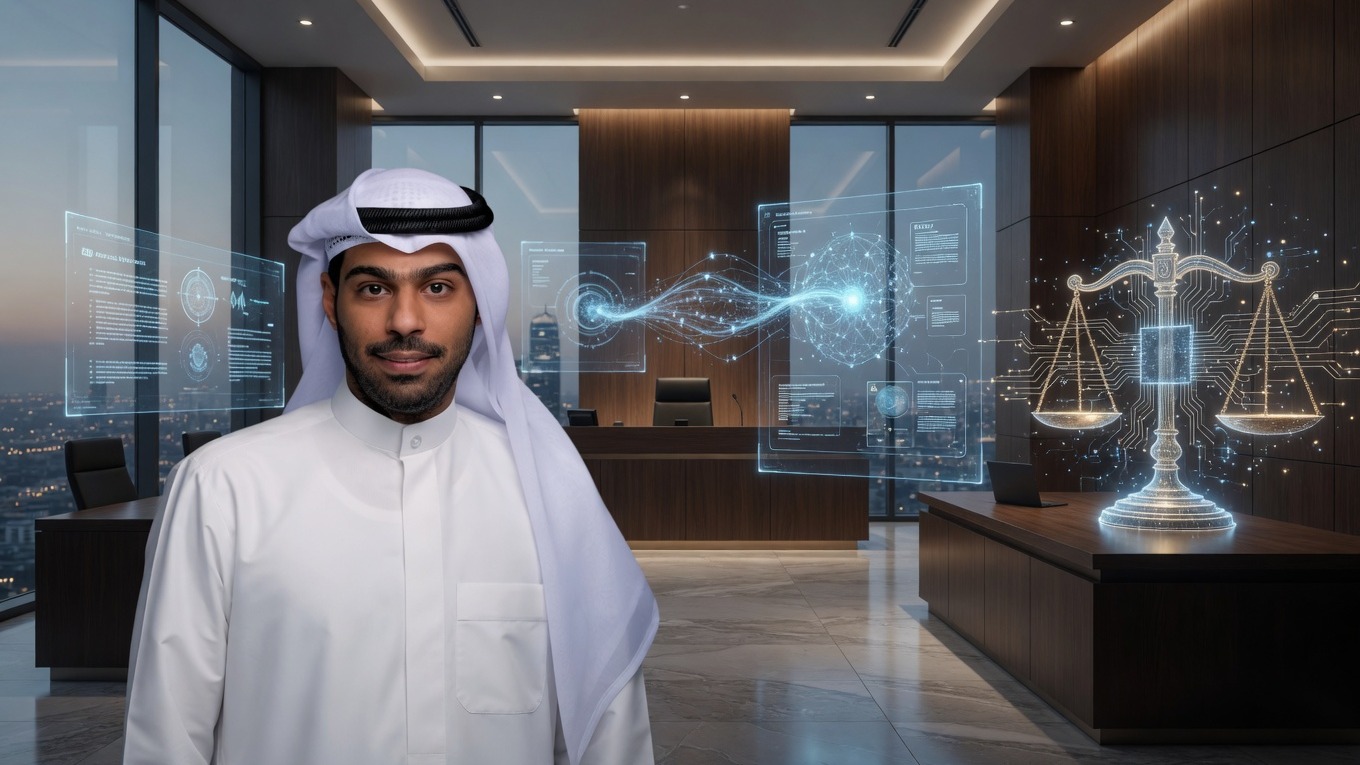
    ABU DHABI — When Khaled Al Rasheed founded Oqood AI in 2024, the conventional wisdom in regional legaltech was that the GCC’s law firms would eventually adopt the same tools their counterparts in London and New York had been using for years. Eighteen months later, that assumption is being tested in real time.

    Oqood AI, which closed a one-million-dollar seed round in October 2025 from a consortium of angel investors, has built its product on a contrarian premise: that Arabic-language legal AI is not a localisation problem to be solved later, but a core engineering challenge that determines whether a tool is usable in a GCC firm at all. The company’s platform offers bilingual contract drafting, document review, and access to regional laws and regulations — the latter being the piece global incumbents have struggled to match.

    «This round reflects the growing investor interest in legal technology, a sector valued at more than thirty-one billion dollars in 2024 and projected to grow at an annual rate of 9.4 percent,» Khaled Al Rasheed said at the time of the raise. The company is now using the capital to expand commercial operations across the Gulf and to deepen its product around predictive analysis and workflow automation.

    A market catching up, fast:
    The timing is not accidental. Across the broader legal industry, adoption metrics have moved from gradual to vertical in a single calendar year.

    The 2026 Wolters Kluwer Future Ready Lawyer Survey found that 92 percent of legal professionals now use at least one AI tool in their daily work, with 62 percent reporting weekly time savings of between six and twenty percent. A separate study released by FTI Consulting and Relativity in March 2026 reported that AI use among corporate general counsel had nearly doubled year-over-year, climbing from 44 percent in 2025 to 87 percent in 2026.

    For GCC firms, those numbers describe a window that is closing. Regional law firms that had treated AI as a multi-year exploration are now finding their corporate clients — particularly in-house teams at banks, sovereign-linked entities, and family offices — arriving at meetings with their own AI workflows already operational. The pressure to match that cadence has become a commercial issue, not an aspirational one.

    The bilingual problem:
    The challenge for GCC firms adopting global tools has always been linguistic and jurisdictional rather than technical. A contract drafted in English under DIFC or ADGM law can be reviewed effectively by any frontier model. The same model, asked to interpret a notarised Arabic agreement governed by UAE federal civil code or Kuwaiti commercial law, has historically performed unevenly.

    Oqood AI’s positioning — accessing laws, regulations, court rulings, and government documents from MENA jurisdictions in a single bilingual interface — is calibrated to that gap. The company has framed its product around the practical realities of GCC practice: matters that switch between Arabic and English mid-document, references to regional statutes that do not appear in Western training data, and counterparties who expect output in either language without quality loss.

    Whether that approach scales depends on execution rather than thesis. Regional adoption of any legal tool tends to hinge on integration with existing firm software, willingness of senior partners to sign off on AI-assisted output, and the maturity of internal governance policies — an area where the GCC is still developing standards. A January 2026 analysis cited Clio data showing that 79 percent of legal professionals were using AI tools globally, while 44 percent of firms had yet to implement formal governance policies. The GCC figure is widely believed to be higher.

    What comes next:
    Oqood AI has indicated that it intends to use the next twelve to eighteen months to broaden its footprint beyond the UAE, with Saudi Arabia and Kuwait both flagged as priority markets. Strategic partnerships with regional legal associations and technology providers are also on the roadmap.

    For the GCC’s legal sector, the more interesting question is structural. If a regional player can demonstrate that bilingual, jurisdiction-aware AI produces measurably better outcomes for Gulf firms than imported alternatives, the entire procurement conversation across the region shifts. Oqood AI is not the only company chasing that proof point — but it is, for now, among the most visible.


  • du Launches Sovereign Industrial AI Platform to Support UAE Manufacturing Sector

    du Launches Sovereign Industrial AI Platform to Support UAE Manufacturing Sector

    du launched a next-generation industrial AI platform on May 13, 2026 to promote sovereign industrial AI in the UAE, the telecom provider said in a statement. Powered by du Tech’s National Hypercloud with multi-cloud support, the system includes specialized models for key factory operations and no-code tools for custom AI development using company data. The announcement coincided with du’s sponsorship of the Intelligence Hub at the Make it in the Emirates event.

    The statement outlined that the platform allows organizations to build and deploy their own AI models without coding while ensuring data governance, control and transparency through explainable AI features. This moves away from traditional black-box approaches to provide reliable, standards-compliant results for industrial use. du Tech’s collaboration with Bosch Software Digital Solutions focuses on joint go-to-market efforts and ecosystem growth to enable scaled implementation across enterprises.

    Jasim Alawadi, Chief ICT Officer at du, said in the statement, «By combining du Tech’s sovereign cloud and digital infrastructure with Bosch SDS’s global industrial expertise, we are enabling organizations to unlock the full value of their data and transform complex operations into actionable intelligence, while maintaining the highest standards of security, transparency, and control. This collaboration reflects du’s commitment to supporting the UAE’s vision for industrial growth and digital sovereignty.» The partnership aims to help industrial firms adopt AI solutions confidently.

    du served as strategic sponsor of the Intelligence Hub at the fifth edition of Make it in the Emirates 2026. The event took place from May 4 to 7 and provided a venue for du to demonstrate the platform in a simulated live industrial control setting. Attendees engaged with real-time scenarios involving equipment issues and production challenges, receiving AI-generated optimization suggestions.

    The Make it in the Emirates initiative acts as the UAE’s primary platform for fostering industrial development, connection and contribution to national progress. It aligns with the country’s industrial strategy aimed at expanding the sector’s economic role. du utilized its participation to present advancements in AI and digital tools for industry transformation.

    According to a Grand View Research report the UAE artificial intelligence market stood at 3.47 billion U.S. dollars in 2023 and is expected to register a compound annual growth rate of 43.9 percent through 2030. This expansion supports the National Strategy for Artificial Intelligence 2031, which envisions the technology contributing up to AED 335 billion in additional economic growth. Operation 300bn, the national industrial strategy, targets raising the sector’s GDP contribution from AED 133 billion to AED 300 billion by 2031, government data shows.

    du maintains a broad portfolio of mobile, fixed, broadband, entertainment, and fintech services as a major digital services provider in the UAE. The company pursues a digital-first model that incorporates fiber networks, 5G, cloud computing, AI analytics, cybersecurity and IoT, according to its corporate description. The industrial AI launch reinforces du’s position in facilitating the nation’s digital transformation and sustainable industrial expansion.

  • Dubai Taxi Company Agrees to Acquire National Taxi for AED 1.45 Billion

    Dubai Taxi Company Agrees to Acquire National Taxi for AED 1.45 Billion

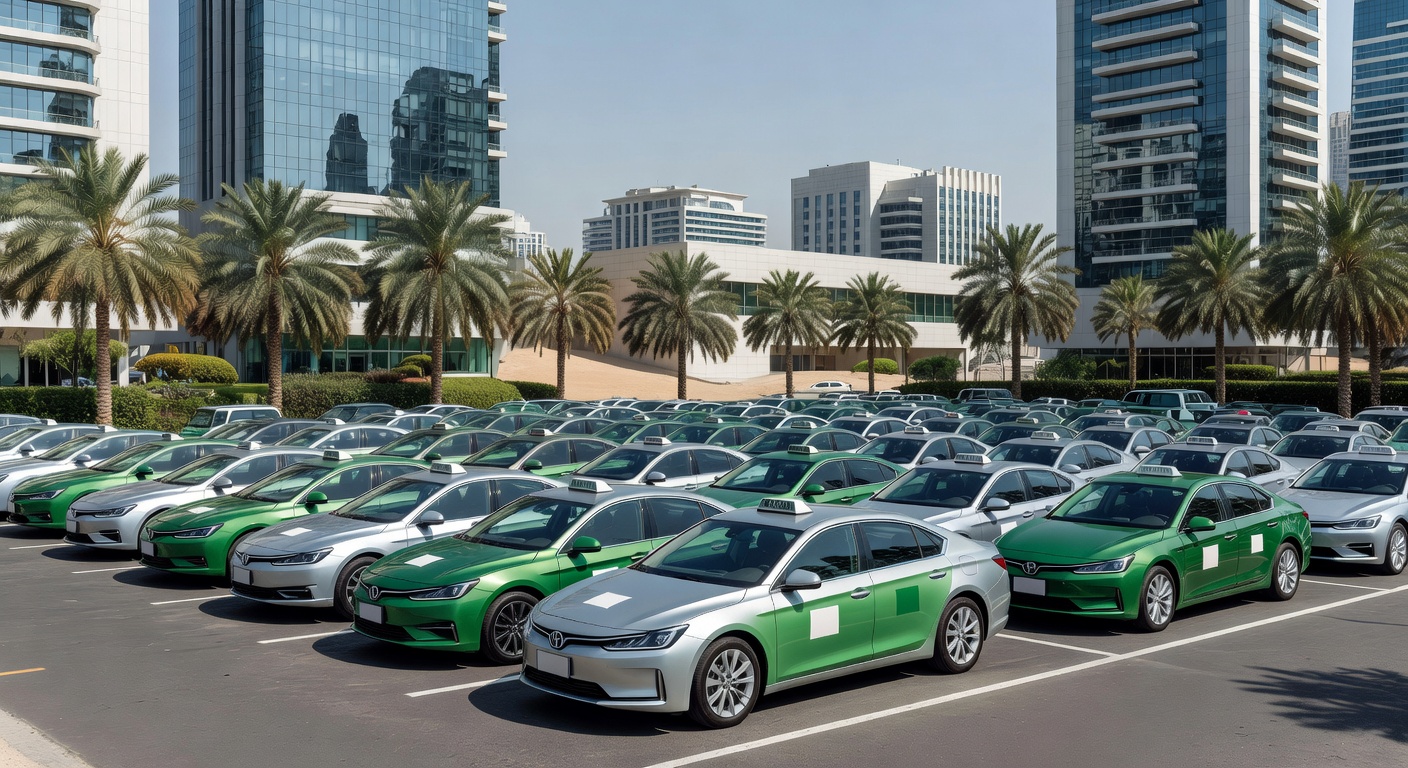
    Dubai Taxi Company announced on May 13, 2026, that it entered into a sales and purchase agreement to acquire 100 percent of National Taxi for an enterprise value of AED 1.45 billion, funded entirely through new bank debt facilities with no equity issuance or dilution for existing shareholders. The deal, the company’s first major acquisition since its 2023 initial public offering, is projected to increase its Dubai market share from 47 percent to approximately 59 percent while establishing a 12 percent presence in Abu Dhabi, according to a statement issued by Dubai Taxi Company and distributed via Zawya. The transaction is expected to close in early Q3 2026 subject to regulatory approvals from the Roads and Transport Authority in Dubai and the Integrated Transport Centre in Abu Dhabi.

    Dubai Taxi Company said in the statement that National Taxi, founded in 2000, operates approximately 2,534 licensed plates and a fleet of more than 2,700 vehicles across Dubai, Abu Dhabi and Al Ain. The target completed 25.4 million trips in the year ended July 31, 2025, at a 98 percent fleet utilisation rate while generating net revenue of AED 774 million, EBITDA of AED 183 million and net profit of AED 101 million. National Taxi maintains 1,734 plates in Dubai and 800 in Abu Dhabi and Al Ain, with 77 percent of its fleet comprising electric or hybrid vehicles.

    The statement noted that the combined pro forma fleet would exceed 14,000 vehicles as of May 2026, serving an estimated 78 million annual trips across the UAE. Dubai Taxi Company currently operates more than 11,000 vehicles, including over 6,800 taxis, and completed 53 million trips with its taxis and limousines in 2025. The acquisition will allow retention of the National Taxi brand with a partial integration approach that maintains customer-facing operations while consolidating functions such as finance, procurement and back-office activities.

    According to the press release, the deal is anticipated to prove earnings accretive from the first full year of ownership with identified synergies equivalent to around 5 percent of National Taxi’s net revenue, primarily from fleet procurement savings, centralised maintenance and back-office consolidation. Dubai Taxi Company’s statement highlighted additional upside potential from revenue optimisation in driver commissions and fleet allocation. Net debt to EBITDA is projected at approximately 2.5 times at completion with progressive deleveraging expected from strong cash flow generation.

    A Ken Research report placed the UAE taxi market at USD 2.18 billion in 2025, driven by sustained tourism growth, rising airport traffic and expanding urban commuting needs. The World Bank has projected UAE GDP growth of 5.0 percent in 2026, benefiting non-oil sectors including construction and services that support mobility demand. The statement described the taxi and ride-hailing market in Dubai and Abu Dhabi as poised for continued expansion amid population growth, visitor inflows and infrastructure investment.

    Dubai Taxi Company’s Group Chairman H.E. Abdul Muhsen Ibrahim Kalbat said in the statement, «This acquisition represents an important strategic milestone for DTC, strengthening our leadership position in Dubai while establishing a meaningful presence in Abu Dhabi. National Taxi is a well-established and high-quality operator with a strong financial profile, and this acquisition allows us to expand our platform, enhance scale and position the business for long-term growth.» Kalbat added that the company remains confident in Dubai’s long-term trajectory and the UAE’s ability to attract investment, talent and visitors.

    Group CEO Mansoor Rahma Alfalasi added in the statement that the acquisition represents a strong strategic and operational fit that enhances scale and market position while aligning with a disciplined approach to capital allocation and balance sheet strength. Toufic Mitri, Managing Director at National Taxi, stated that his company had appointed financial advisers for a competitive process that ultimately led to Dubai Taxi Company’s compelling proposal after attracting interest from investors across multiple regions. The statement identified Alvarez & Marsal as Dubai Taxi Company’s financial adviser and DLA Piper as legal adviser, while National Taxi retained Emirates NBD Capital, Lazard Gulf and White & Case.

  • Oqood Raises $1 Million to Expand Bilingual AI Legal Workspace Across MENA

    Oqood Raises $1 Million to Expand Bilingual AI Legal Workspace Across MENA

    UAE-based legaltech startup Oqood raised $1 million in seed funding from angel investors in October 2025 to expand its AI-powered legal workspace tailored to MENA laws and regulations, according to reports from Wamda and IncArabia. Founded in 2024 by Khaled Al Rasheed, the platform operates fully in both Arabic and English, a bilingual capability that distinguishes it from tools such as Harvey AI which have primarily served English-language markets. Oqood states that its technology completes legal tasks 12 times faster than traditional methods, reduces costs by 40 percent and minimizes errors by 99 percent.

    According to its website, Oqood functions as an all-in-one AI legal assistant that delivers instant access to up-to-date laws, court rulings, regulations and government documents drawn from official MENA sources. Users query the system in natural language to retrieve structured information, generate or modify legal documents within seconds and receive intelligent reviews that flag compliance issues or missing clauses. The platform also provides private cloud storage with end-to-end encryption that meets GDPR and ISO standards, allowing law firms, corporate teams and solo practitioners to upload and analyze sensitive files securely.

    Oqood has secured partnerships with the Kuwait Bar Association and backing from the Kuwait Foundation for the Advancement of Sciences while earning recognition as a top 10 innovative product from SASCG, the company noted on its site. Al Rasheed has highlighted growing demand for regionally adapted legal technology amid a global legaltech market that reached $31 billion in 2024 and continues to expand at an annual rate of roughly 9.4 percent, as cited in funding coverage by Arageek and Zawya. Regional forecasts project the UAE legal tech market will grow to $449 million by 2030.

    The bilingual design of Oqood enables seamless handling of Arabic legal terminology and documentation alongside English, setting it apart from English-primary platforms such as Harvey that have expanded into additional languages only more recently. This focus allows the system to integrate directly with local jurisdictions across the GCC and broader MENA area where many professionals require dual-language support for research, drafting and client communications. Oqood draws its data exclusively from verified official publications and updates its database regularly to reflect legislative changes.

    Testimonials on the oqood.ai homepage emphasize practical gains for users. Jacob Bank, founder at Lawyer.app, said, «I used other tools in the past but it was slow and clunky. Now Oqood saves me time by auto-categorizing our cases more accurately and draft our document effectively.» A legal director at a leading telecom company stated, «Oqood enables us to complete legal research and drafting in minutes instead of hours. It’s a game-changer for our firm.» These accounts align with the company’s reported efficiency metrics for document automation and compliance checks.

    According to FAQs published on its website, Oqood serves as an assistive tool for routine legal work rather than a substitute for professional legal advice on complex matters. Target audiences span law firms, institutions, solo lawyers, businesses, students and corporate legal departments seeking to streamline workflows. The $1 million seed round will fund further product development and GCC market expansion, the company indicated in announcements covered by multiple regional outlets.

  • Kuwait Seizes 1,430 Counterfeit Goods at Friday Market in Broad Commercial Sweep

    Kuwait Seizes 1,430 Counterfeit Goods at Friday Market in Broad Commercial Sweep

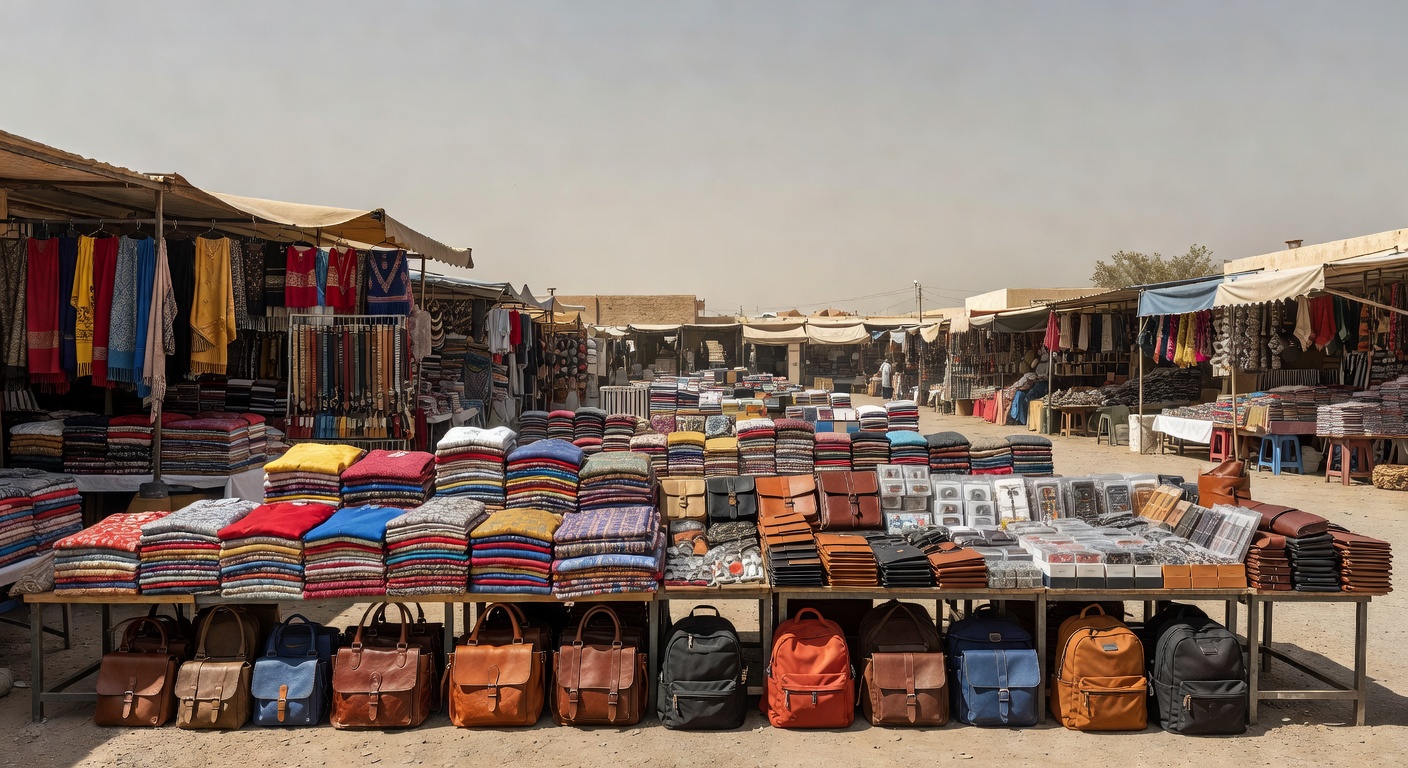
    On May 17, Kuwait’s Commercial Control and Consumer Protection Department seized 1,430 counterfeit goods at the Friday Market while conducting inspections in Al Farwaniyah Governorate that produced 22 enforcement reports and led to two shop closures. The campaign, run in coordination with the Ministry of Interior, focused on violations of a new cash transaction ban under Ministerial Resolution No. 32 of 2026, with counterfeit cases sent to the Commercial Prosecution, the department said.

    The department’s tally from Al Farwaniyah listed 22 reports that covered misleading advertisements for services not actually provided and instances where private pharmacies failed to observe the prohibition on cash transactions for certain activities. Officials closed one outlet for selling expired herbal products and a second for refusing to cooperate with inspectors performing their duties. Two further notices addressed businesses operating without a license or engaging in activities that fell outside the scope of their approved permits.

    Emergency inspection teams working with the Ministry of Interior apprehended a health institute operating in breach of the ministerial resolution on cash transactions. The authorities identified additional violations at the same establishment through the Interior Ministry, resulting in joint legal proceedings by both bodies. The department has instructed that all such files move forward for full prosecution.

    Inspectors at the Friday Market documented each of the 1,430 seized counterfeit items before transferring the complete case files to prosecutors. The department described the action as part of its series of intensified campaigns across multiple governorates aimed at improving regulatory compliance. These efforts have targeted both counterfeit distribution and administrative breaches in commercial outlets.

    The operation forms part of a continuing pattern of market oversight by the ministry. In January the Commercial Control Department confiscated 1,828 counterfeit items including perfumes, accessories, bags and leather products from two shops in Salmiya, according to a Times Kuwait report. A February campaign yielded around 800 counterfeit women’s shoes and handbags bearing fake international trademarks, Arab Times reported.

    Counterfeit trade persists as a notable issue within Kuwait. The Organised Crime Index 2025 assigned the market a score of 5.50 and observed that authorities have seized large volumes of fake electrical products, clothing and luxury items in recent years. A separate 2025 OECD-EUIPO analysis of global fakes found that postal services accounted for 58 percent of seizures by volume while sea freight carried a higher share of total value.

  • Crown Prince Receives Bahrain Interior Minister at Bayan Palace

    Crown Prince Receives Bahrain Interior Minister at Bayan Palace

    His Highness the Crown Prince Sheikh Sabah Khaled Al-Hamad Al-Sabah warmly welcomed Bahrain’s Minister of Interior General Sheikh Rashid bin Abdullah Al Khalifa and his accompanying delegation at Bayan Palace on May 17. The Bahraini minister was conducting an official visit to Kuwait, according to KUNA. Also in attendance were acting Prime Minister and Minister of Interior Sheikh Fahad Yousef Saud Al-Sabah, Head of the Diwan of HH the Crown Prince Sheikh Thamer Jaber Al-Ahmad Al-Sabah and other high-ranking officials.

    The reception follows an extraordinary meeting of GCC interior ministers held in Riyadh on May 13. Bahraini Interior Minister General Sheikh Rashid bin Abdullah Al Khalifa chaired that session. GCC Secretary-General Jasem Mohamed Albudaiwi said the ministers reaffirmed that the security of GCC member states is indivisible and called for intensified coordination against emerging threats.

    The Riyadh gathering was convened following the arrest in Kuwait of cells allegedly linked to Iran’s Islamic Revolutionary Guard Corps, reports from Arab News and the Saudi Press Agency indicated. Ministers discussed ways to strengthen joint Gulf security cooperation in response to challenges arising from regional conflicts. Albudaiwi noted the importance of enhancing collaboration between interior ministries and relevant security authorities across the bloc.

    Kuwait’s Sheikh Fahad Yousef Saud Al-Sabah led the Kuwaiti delegation to the Riyadh meeting. In November 2025 he chaired the 42nd meeting of GCC interior ministers held in Kuwait City. That session resulted in approval of the GCC Security Strategy for Combating Money Laundering Crimes for 2026-2030, according to the GCC Secretariat.

    Additional outcomes from the November gathering included preparations for workshops on combating cybercrimes involving artificial intelligence as well as strategies for countering extremism. These preparations were developed in cooperation with the United Nations Office on Drugs and Crime, the GCC Secretariat said. The May 17 visit by General Sheikh Rashid bin Abdullah Al Khalifa to Kuwait provided a platform for senior officials from both countries to review progress on joint security efforts.

    Bilateral ties between Kuwait and Bahrain are anchored in their shared membership as founding states of the GCC established in 1981. In February 2026 Bahrain’s Crown Prince and Prime Minister Prince Salman bin Hamad Al Khalifa met with Kuwait’s Crown Prince to discuss ways to expand cooperation, according to a statement from the Bahraini Crown Prince’s office. These regular high-level exchanges cover a range of issues including security which formed the focus of the Bayan Palace meeting.

  • Xteink X3 Delivers Ultra-Portable 3.7-Inch E-Ink Reading Experience

    Xteink released the X3, a credit card-sized e-ink reader measuring 3.7 inches that emphasizes extreme portability for on-the-go use. The device weighs 58 grams, incorporates a magnetic back for attaching to smartphones and delivers a 250ppi display sharper than its predecessor. Priced at $79, it supports EPUB and TXT files transferred through microSD cards or a wireless mobile app while offering up to two weeks of battery life from its 650mAh cell.

    The X3 measures a millimeter thinner, a few millimeters narrower and over half an inch shorter than the X4 model. Its refined button layout places single controls on each side for scrolling and page turning with additional navigation buttons below the screen. A built-in gyroscope adds shake-to-turn functionality that enhances the reading experience during brief moments such as waiting in lines or sitting in a car.

    Software updates include contextual onscreen labels above buttons on the homescreen and improved line spacing options. The reader lacks a front light, touchscreen and audio support, requiring external illumination for nighttime use and limiting it to sideloaded content without bookstore integration. Early testing indicates the compact form factor makes it highly pocketable though the small screen often necessitates reading glasses for comfortable small-font viewing.

    Charging occurs exclusively through a magnetic pogo-pin connector on the rear rather than a standard USB-C port. The proprietary cable raises concerns about loss or replacement since the long battery life reduces frequent charging needs. Replacement cables are scheduled to become available later, according to product details from the manufacturer.

    An ESP32 processor powers the unit that ships with a 16GB microSD card expandable to 512GB. It includes Wi-Fi and Bluetooth connectivity yet does not support audiobooks or advanced note-taking features found on larger tablets. The X3 also functions as a USB device for installing alternative firmware such as CrossPoint Reader which now offers official support.

    The reader targets users seeking a secondary distraction-free screen that disappears into any pocket while remaining comfortable to hold. Its design follows the X4 by prioritizing minimalism over polished interfaces common in devices from larger competitors. Additional accessories including magnetic reading lights and cases are available on the manufacturer’s website.