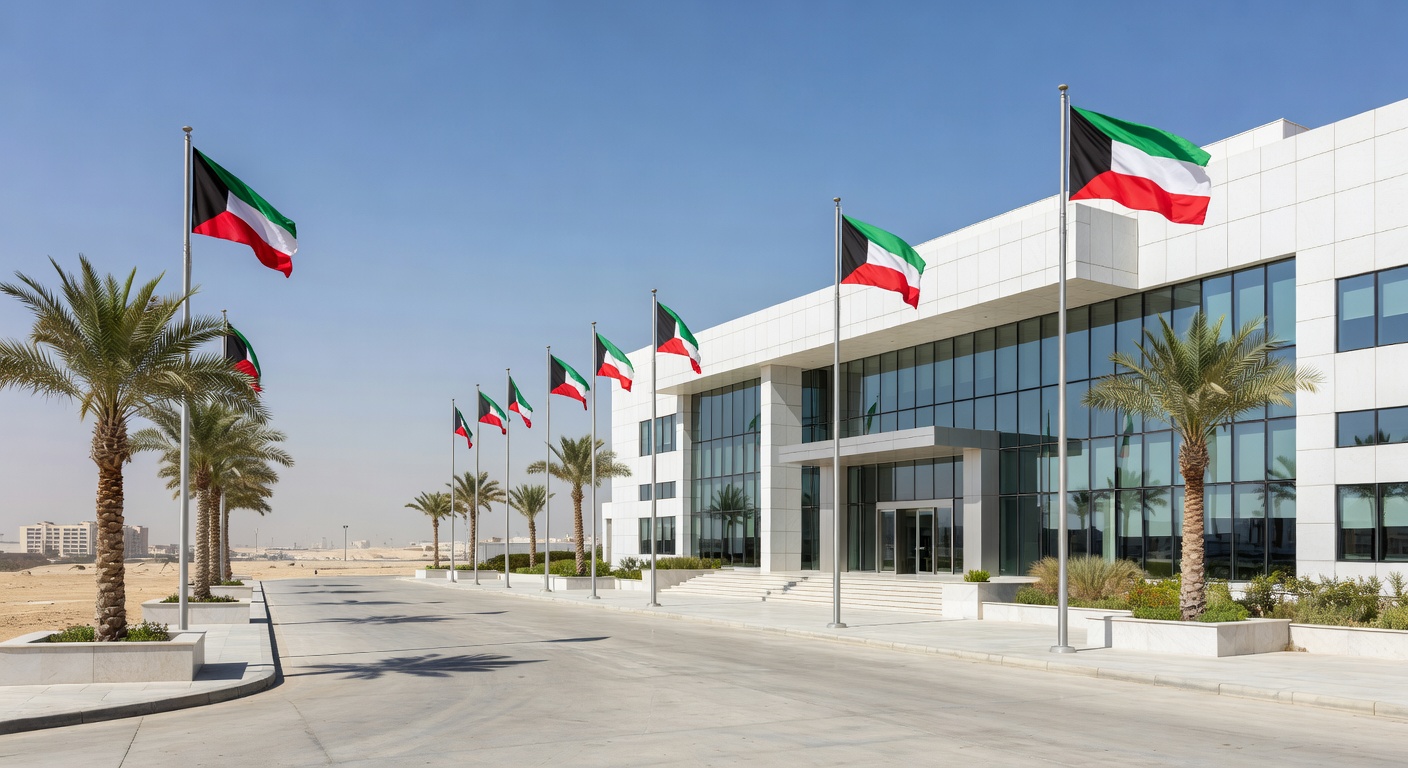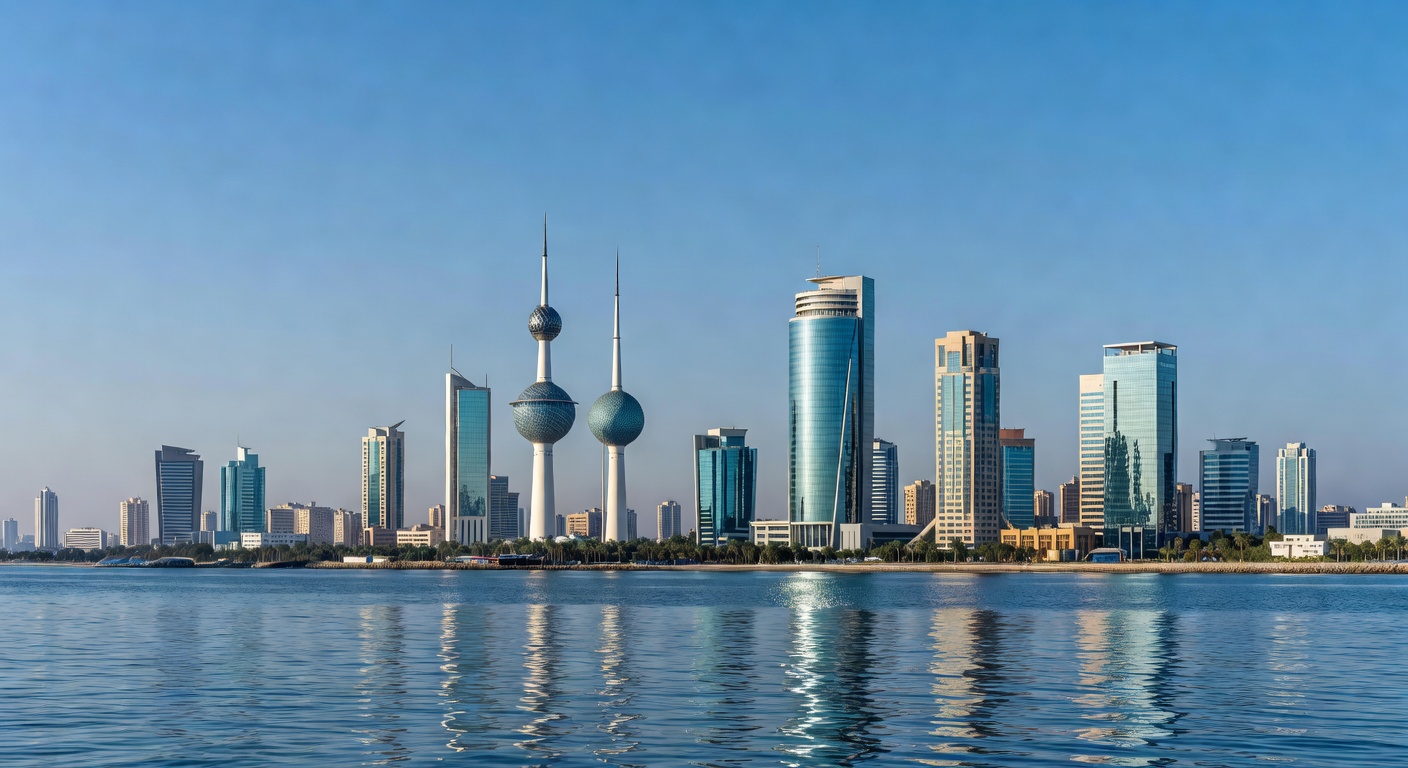
Kuwait’s Emir Sheikh Mishal al-Ahmad al-Sabah dissolved parliament on Friday and suspended key constitutional articles for no more than four years. He and the cabinet will assume the National Assembly’s duties as the country addresses political deadlock and corruption in state institutions. The move follows April elections, the first under the emir who took office in December 2023.
The emir stated in his televised address that «The unhealthy atmosphere experienced by Kuwait in previous years has encouraged the spread of corruption to reach most state facilities, and unfortunately it reached the security and economic institutions,» adding that «it has even affected the justice system.» «We have faced difficulties and obstacles that cannot be tolerated,» Sheikh Mishal said. He said the failure to form a government was the result of «the dictates and conditions of some» legislators. «Kuwait has been through some hard times lately … which leaves no room for hesitation or delay in making the difficult decision to save the country and secure its highest interests,» he added.
The April elections returned a parliament that quickly encountered difficulties in cooperating with the executive on cabinet formation. Several lawmakers had refused to participate in the government, leading to the impasse. Sheikh Mishal, who succeeded Sheikh Nawaf al-Ahmad al-Jaber al-Sabah last December, had previously dissolved the prior assembly in February citing constitutional violations. These events underscore the recurring challenges in Kuwait’s unique semi-democratic system.
Disputes between the elected National Assembly and the government-appointed cabinet have triggered multiple parliamentary dissolutions throughout Kuwait’s history. The assembly possesses greater powers than comparable institutions in other Gulf Cooperation Council states, often resulting in policy paralysis. No parliament has completed a full term since 2016, with earlier full suspensions taking place in 1976 and 1986. This pattern has impeded critical reforms aimed at diversifying the economy beyond oil.
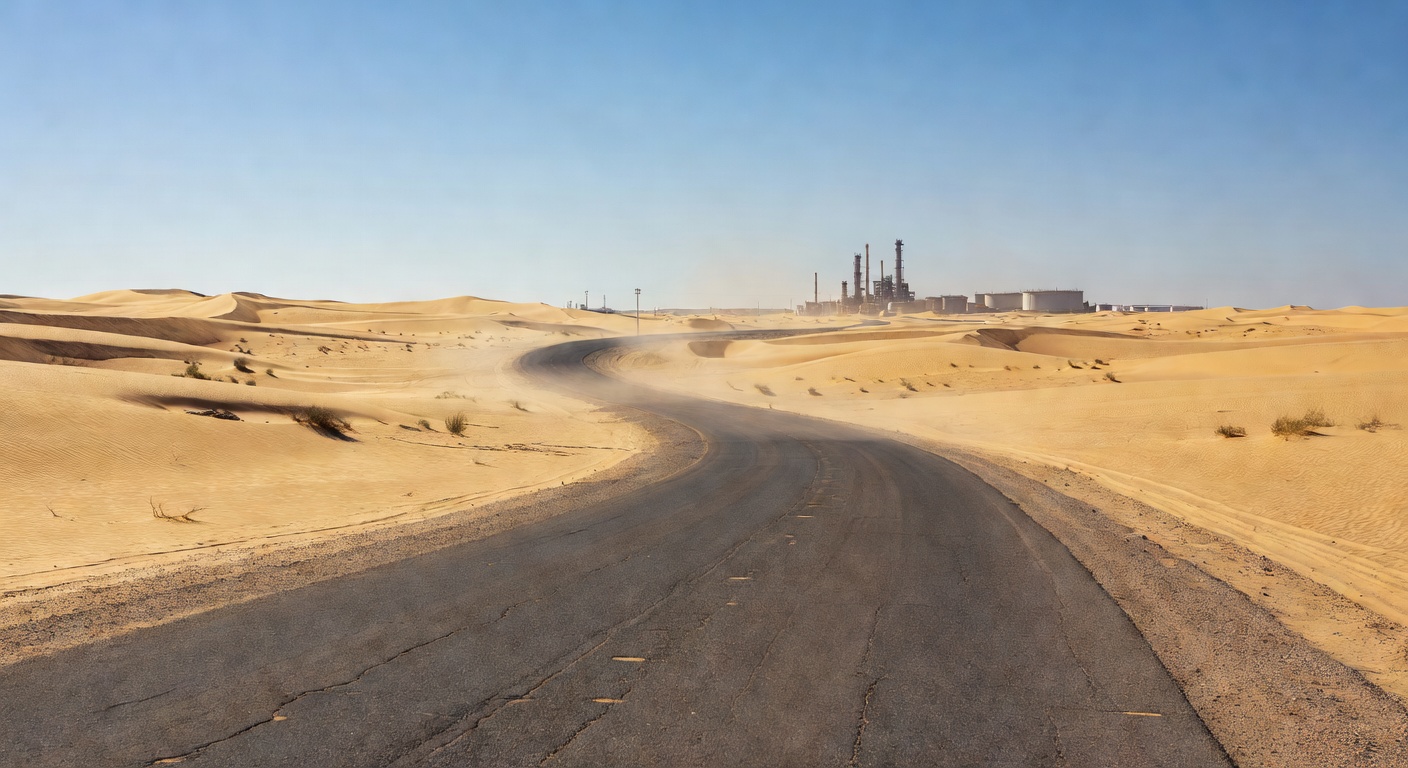
Repeated political instability has curtailed investment and stalled projects designed to modernize infrastructure and reduce oil dependency. Kuwait has lagged behind neighboring countries in implementing vision programs for economic transformation due to the persistent gridlock. The current suspension grants the emir and cabinet full authority to enact legislation during the interim period. Such measures are intended to facilitate the advancement of national development priorities.
Over the four-year period, authorities will conduct a comprehensive study of the democratic experience to address its shortcomings. The emir stressed that the difficult decision was essential to save the country and secure its highest interests amid hard times. Following the dissolution, a new government was formed headed by Ahmad Abdullah al-Sabah to support the reform agenda. This has paved the way for progress on previously delayed initiatives in energy and economic diversification.
Sources:
— https://www.aljazeera.com/news/2024/5/11/political-turmoil-in-kuwait-as-emir-dissolves-parliament
— https://www.reuters.com/world/middle-east/kuwaits-emir-dissolves-parliament-suspends-some-constitution-articles-2024-05-10/
— https://apnews.com/article/kuwait-politics-emir-meshal-parliament-95dc1a5ad790505803f26a2e4a96a786