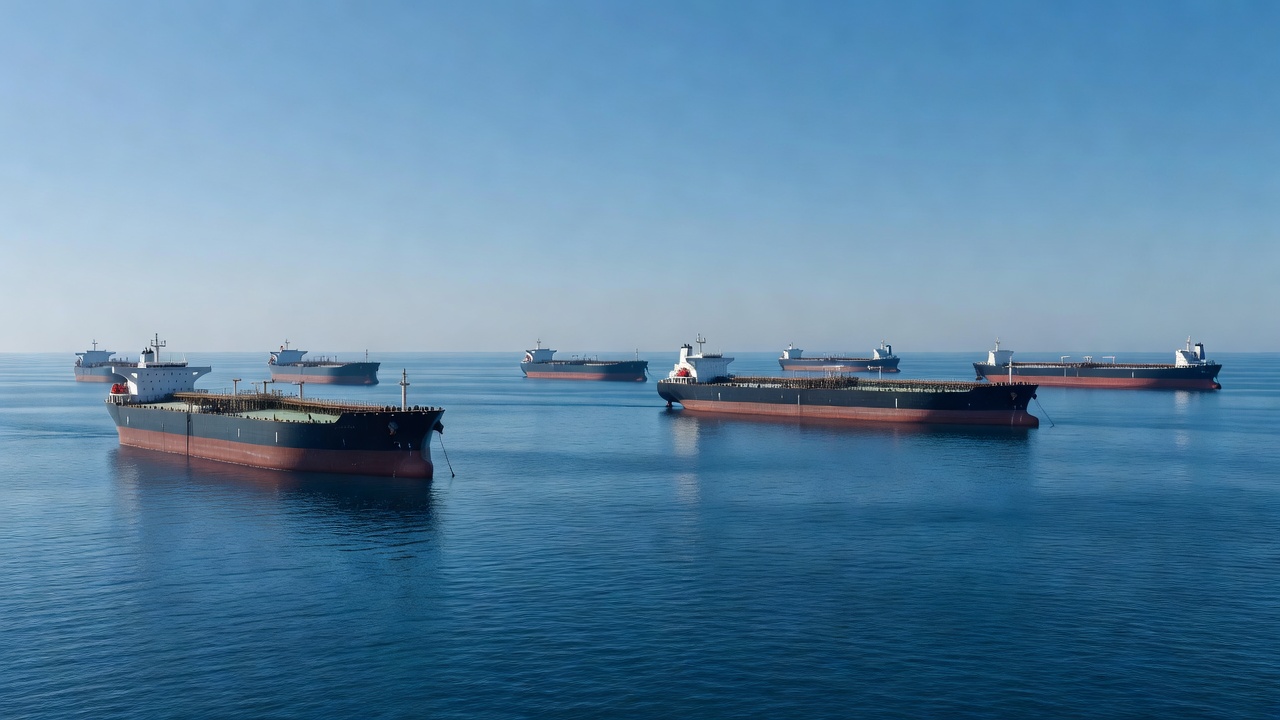
The supply tightening has limited availability for September and October deliveries, leading some Chinese independent refiners to pursue crude from Brazil and Iraq instead. Kpler data cited by Reuters showed Iranian crude held in tankers outside the blockade zone declining to approximately 80 million barrels from 105 million barrels before the restrictions were reimposed on July 13. Iranian crude that normally trades at a discount was being offered at a premium of about $2 per barrel to Brent, the report added. Trade sources told Reuters that Chinese buyers now face greater difficulty securing consistent volumes from Tehran.
Chinese imports of Iranian crude averaged 534,000 barrels per day in August, according to Kpler figures. That compares with an average of 1.4 million barrels per day across all of 2025, the data provider reported. China accounted for more than 80 percent of Iran’s total shipped oil last year, Kpler data indicated. The latest drop comes as Washington has intensified enforcement against vessels and intermediaries involved in the trade.
The U.S. Energy Information Administration reported that Iranian exports to China grew by nearly 870,000 barrels per day from 2020 to 2023 despite prior sanctions, with independent refiners in Shandong province taking the majority of cargoes. Kpler tracking showed exports falling to six-year lows by May 2026 before a brief June waiver allowed some recovery, only for the July 13 blockade to reverse those gains. If pressure continues, Iran could run out of oil available for shipment to China within 60 to 70 days, Kpler senior analyst Homayoun Falakshahi warned in earlier assessments.
Floating storage volumes had decreased from around 190 million barrels in late April to 147 million barrels by early June, Kpler data from that period showed. The August 21 update places accessible supplies even lower at the 80-million-barrel mark beyond the blockade area. Such inventory drawdowns further constrain Tehran’s ability to sustain export revenue that has historically relied heavily on the Chinese market.
United Nations COMTRADE statistics placed Iran’s mineral fuels exports to China at more than $12 billion in 2022, underscoring the longstanding economic linkage. The U.S. Treasury has designated Chinese refiners and terminals involved in Iranian crude processing on multiple occasions since early 2025, according to industry reports. These actions have raised costs at every stage of the supply chain, from insurance to ship-to-ship transfers off Malaysia.
Shadow fleet operations involving roughly 360 aging tankers have allowed limited flows to continue despite the restrictions, tanker trackers such as United Against Nuclear Iran noted in June. Most remaining Iranian barrels still head to China, which purchases around 90 percent of Tehran’s exports during periods of heightened sanctions. Analysts continue to monitor vessel movements for any signs of new evasion tactics or further volume erosion in the months ahead.
Добавить комментарий