According to Arab Times, the Kayhan newspaper published an editorial on July 27 warning that renewed diplomatic engagement with Washington would be a fatal mistake. «Now is not the time to halt military action, but to consolidate the new order by continuing forceful attacks and breaking the maritime blockade,» the newspaper wrote. It claimed U.S. forces had become overstretched in the Persian Gulf and required a pause to rebuild capabilities while arguing that no location used by adversaries should be considered safe until Iranian oil exports are secured.
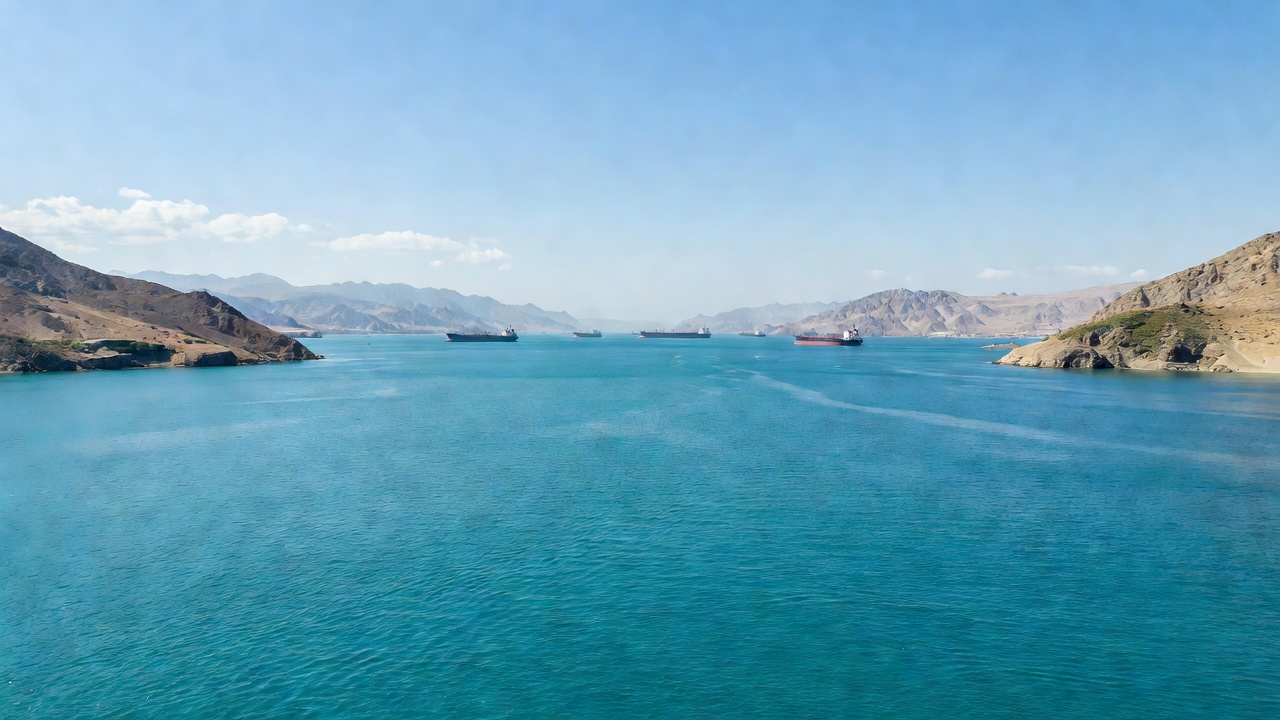
Iranian state television separately reported that six ships attempted to use an unauthorized route through the southern Strait of Hormuz on the same day. Five of the vessels were turned back after switching off their navigation systems while the sixth experienced an unspecified incident, the broadcaster said. The developments reflect ongoing tensions surrounding maritime traffic in the vital waterway.
The Strait of Hormuz handles a significant share of global energy shipments with past assessments placing daily transits near 18 million barrels of crude. This volume has historically represented a large portion of seaborne oil trade according to multiple industry reports. Disruptions in the area have previously led to volatility in international energy markets.
Arab Times has covered similar positions from Kayhan in recent months including a June editorial that argued the strait should remain closed until U.S. forces leave the region. The newspaper whose editor-in-chief Hossein Shariatmadari was appointed by the Supreme Leader is considered the most conservative and hard-line Iranian newspaper. Its repeated calls underscore divisions within Tehran over approaches to the standoff with Washington.
In a related September development the IRGC Navy warned crews on oil tankers near Kuwait and Bahrain to abandon vessels citing retaliation for U.S. actions against Iranian tankers, Arab Times reported. The statement accused the two Gulf states of hosting U.S. forces and partnering in actions against Iran. Such warnings have added to security concerns for commercial shipping in the Persian Gulf.
Добавить комментарий