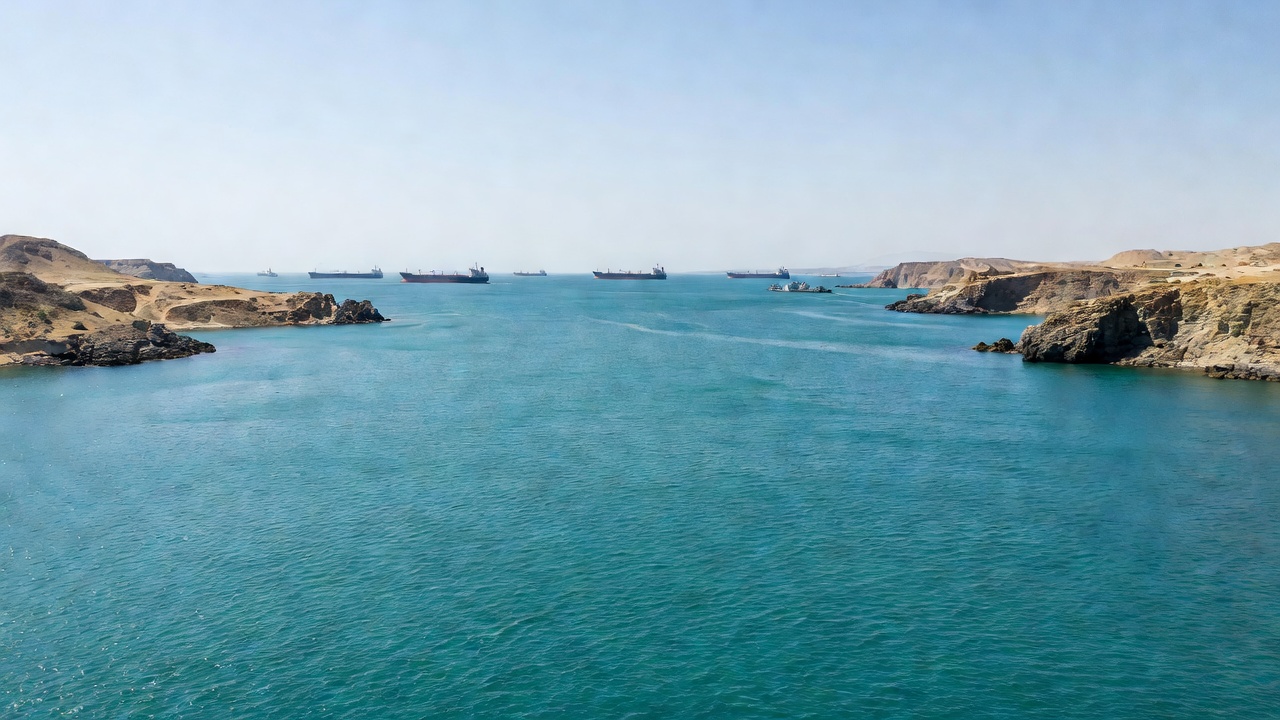
The Islamic Revolutionary Guard Corps announced that its Aerospace Force launched several ballistic missiles at a US aircraft carrier and Navy destroyer, according to a statement published by the state-run IRNA news agency. The IRGC said the two warships had harassed Iranian shipping and participated in the US-led maritime blockade before coming under fire. Both vessels suffered damage and withdrew from the engagement area, the statement added. Iran’s military described the US Central Command’s confirmation that missiles had been launched toward its ships as an acknowledgment of the operation’s success and warned that continued American aggression would draw heavier responses from Iranian forces.
US Central Command rejected the assertion that any damage occurred, stating that the two Navy warships patrolling regional waters successfully evaded the ballistic missiles. No American personnel were harmed during the incident, CENTCOM noted in its update. The command affirmed that US forces remain active in support of Project Freedom and continue enforcing the naval blockade on Iranian ports. A senior US official told reporters that Iranian forces had not hit any Navy vessels.
Admiral Brad Cooper, head of CENTCOM, said, «Let the message to the IRGC be clear: If you shoot at two of our ships, we will impose an even higher economic cost – taking out three of yours.» The remark referred to US strikes on Iranian oil tankers that preceded the latest Iranian claims. CENTCOM had reported that two US-flagged merchant vessels successfully transited the Strait of Hormuz on the day of the alleged attack. Iranian officials later reframed their action as firing warning shots.
The IRGC Navy said on September 5 that it targeted three oil tankers traveling unauthorized routes in the Strait of Hormuz along with three vessels affiliated with the United States in other locations. That action came in direct response to US attacks on three Iranian oil tankers earlier the same day, according to statements from both sides. The exchanges marked a sharp escalation in maritime confrontations that have disrupted commercial shipping through the vital waterway. Iran’s armed forces issued a broader warning that further harassment of its vessels or continuation of the blockade would prompt more severe and possibly expanded strikes against US military assets.
Iran has issued repeated claims of striking US naval vessels in recent months, including an assertion in March that missiles hit the USS Abraham Lincoln, which CENTCOM dismissed by saying the projectiles did not come close to the carrier. Similar unverified reports emerged in May concerning a frigate near Jask Island at the entrance to the Strait of Hormuz. In each instance US officials maintained that no vessels sustained damage and that American operations in support of unrestricted navigation continued without interruption. The pattern reflects persistent friction between Tehran and Washington over control of key Gulf shipping lanes.
The latest episode occurs as the US enforces a naval blockade on Iranian ports under Project Freedom, an initiative announced by President Donald Trump to assist vessels stranded by Iranian restrictions on the Strait of Hormuz. Iranian commanders have repeatedly cautioned commercial ships against entering the area without coordination, stating that suspicious movements will be targeted. The IRGC Navy commander emphasized in a statement that vessels should not be deceived by American assurances and must avoid unauthorized routes to prevent further incidents.
Добавить комментарий