Peruvian police said a Cessna aircraft carrying 11 tourists and two crew members crashed in the Pueblo Viejo area of Nazca shortly after departing from Pisco airport on Saturday afternoon for a routine sightseeing tour. The plane came down in farmland roughly six kilometers from the city and about 12 kilometers from the archaeological site itself, according to local authorities who dispatched emergency teams and forensic personnel. No survivors were located at the scene, officials confirmed as recovery operations extended into the following day.
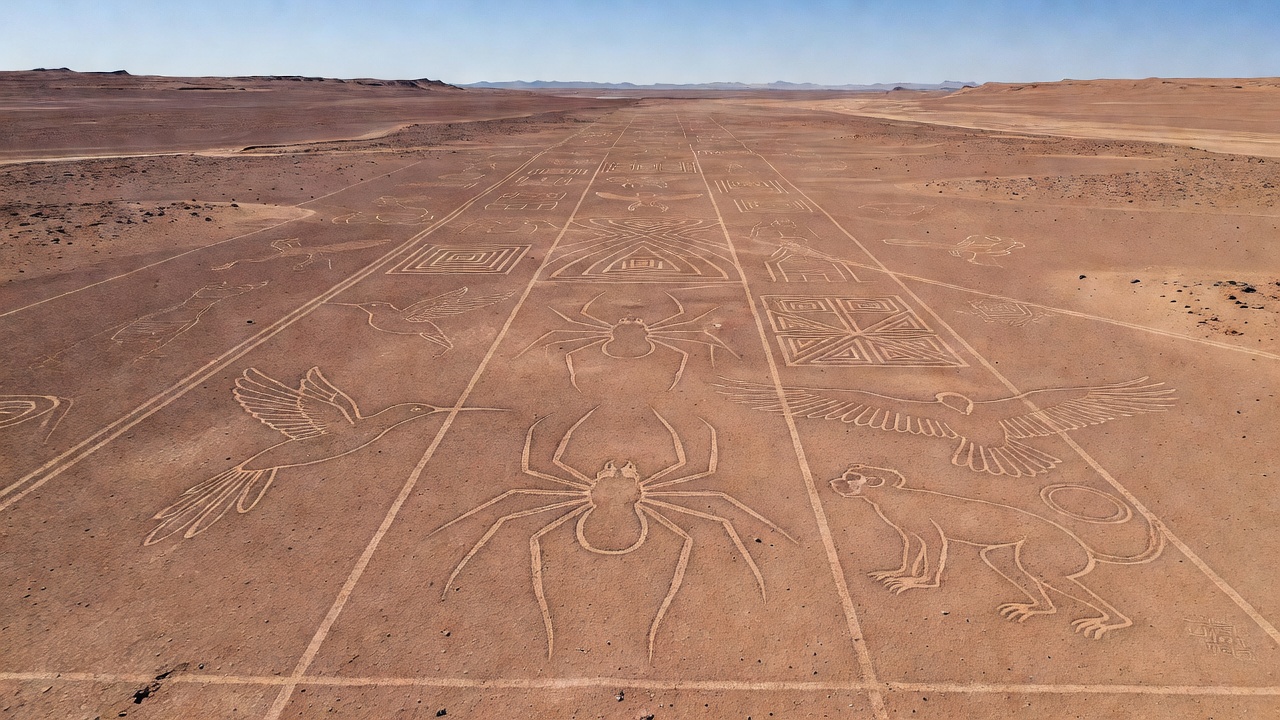
The Nazca Lines, vast geoglyphs created more than 1,500 years ago, constitute a UNESCO World Heritage Site that draws large numbers of international visitors eager to view the figures from above. Peruvian authorities in Nazca province identified the dead as mostly European tourists along with the pilot and co-pilot on the Aerodiana-operated flight. The incident has prompted expressions of condolence from municipal officials to the victims’ families spread across several countries.
Aviation safety assessments have highlighted a history of accidents involving small planes offering Nazca tours, including multiple fatal crashes in 2010 that killed several people and injured others. Following those events the Peruvian government grounded the entire fleet for inspections, ultimately clearing only seven of 48 aircraft and reducing approved operators from 14 to four, travel safety reports from that period noted. While such measures improved standards, occasional incidents have persisted, including a deadly crash recorded in 2022 that revived questions about ongoing enforcement.
An official investigation has begun to establish the cause of the August 1 crash, with no preliminary details released on weather, mechanical status or human factors by Sunday. Police Major Jorge Andrade stated that teams had recovered bodies while operations continued at the rural site, according to accounts shared with international media. The wreckage was located in Vista Alegre district, prompting coordination between national police, civil aviation officials and local responders.
Peru’s tourism sector, a notable contributor to national GDP, features the southern Nazca region as a cornerstone of many packaged itineraries for overseas visitors. Government statistics have placed annual international arrivals above four million in recent years, with aerial tours over the protected lines forming a popular but regulated activity. The latest tragedy is expected to intensify focus on compliance standards for the small fleet of planes dedicated to these heritage flights.
Добавить комментарий