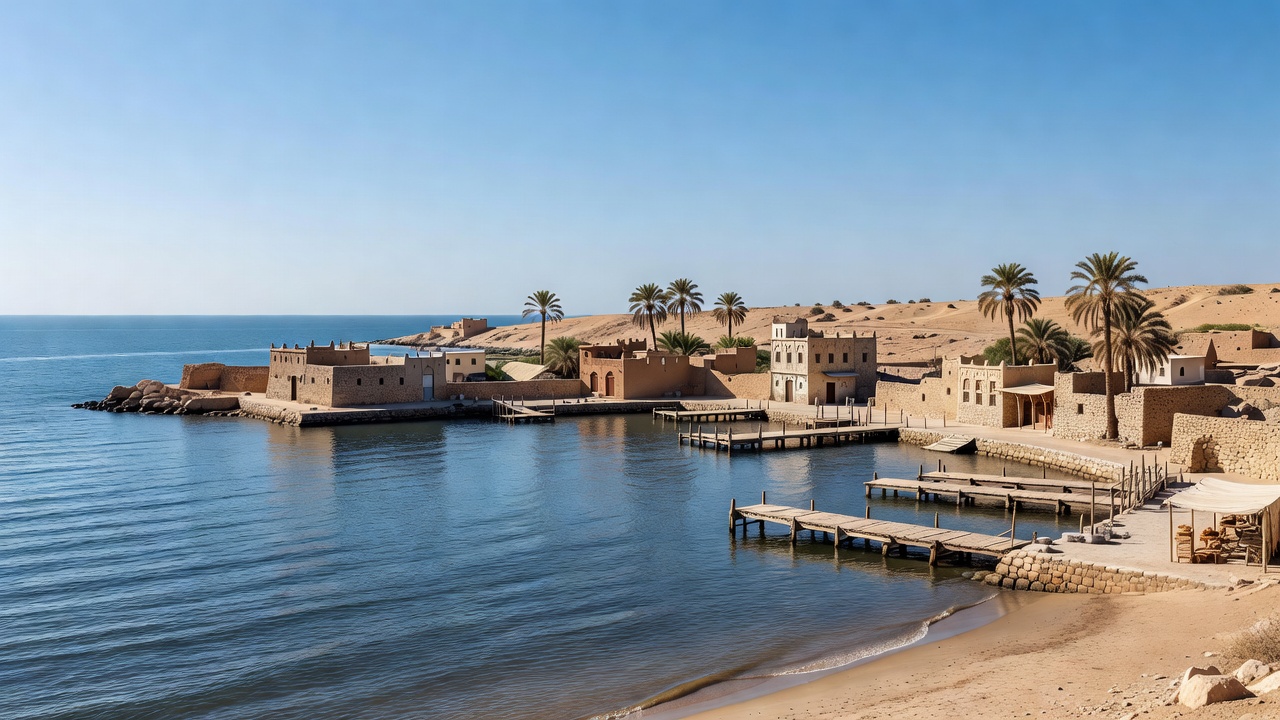
Brig. Gen. Majid Abdullah al-Nuzaili, official spokesman for the Yemeni Armed Forces, said the strikes destroyed vehicles and weapons while killing Houthi militia members near the port of Mocha and around the Zaid al-Kharj mall in the city. Militia members were also killed next to the water project administration in Mocha, according to al-Nuzaili. Gatherings of vehicles and fighters were hit at an animal quarantine site on the Mocha-Dhubab road, 11 kilometers from the city, he added.
Al-Nuzaili reported that additional gatherings of militia members were eliminated at a former headquarters of a military leader on the northern ring road in Mocha. The spokesman posted the details on the social media platform X and declared the Taiz-Mocha and Mocha-Dhubab roads a military zone, urging civilians to avoid them until further notice. No further details on damage or casualties from the strikes were immediately available, Anadolu reported.
The operation came a day after Houthi forces seized control of Mocha and its Red Sea port, three Yemeni government officials told Reuters on September 10. Arab media reports indicated that government forces withdrew from the city as Houthi fighters advanced, with photos and videos on social media appearing to show the militants inside though the images could not be independently verified. The capture provides the Iran-backed Houthis with greater influence along a strategically vital stretch of the Red Sea coastline near the Bab al-Mandeb Strait.
The clashes have triggered widespread displacement, with the government-run Executive Unit for the Management of Displaced Persons Camps reporting that 1,367 families fled their homes on September 8 across Taiz, Al-Hudaydah and Lahj provinces. That one-day total brought the number of families displaced in those provinces since the start of September to 6,145, the unit said in a statement carried by the official Saba news agency. Authorities linked the exodus to intensified military escalation and safety fears in the western regions.
Yemeni military officials told Al Jazeera that the government has stepped up its independent use of air power in recent weeks to support ground forces against Houthi advances on the western coast. The Friday strikes represented a notable increase in such activity since a fragile truce began to unravel earlier this year, following years in which Saudi-led coalition aircraft conducted most of the bombing runs. Government forces have dispatched reinforcements toward the Mocha area as fighting spreads, the officials added.
Yemen has experienced a relative lull in major combat since a 2022 truce that paused nearly eight years of war between the Saudi-backed government and the Iranian-supported Houthis, who seized Sanaa and large swaths of the country in 2014. The Houthis escalated regional involvement from late 2023 onward by launching attacks on Israel and commercial vessels in the Red Sea in connection with the Gaza conflict, according to multiple regional assessments. Renewed ground offensives and retaliatory strikes have since fueled concerns that the country could descend into full-scale conflict once more.
Добавить комментарий