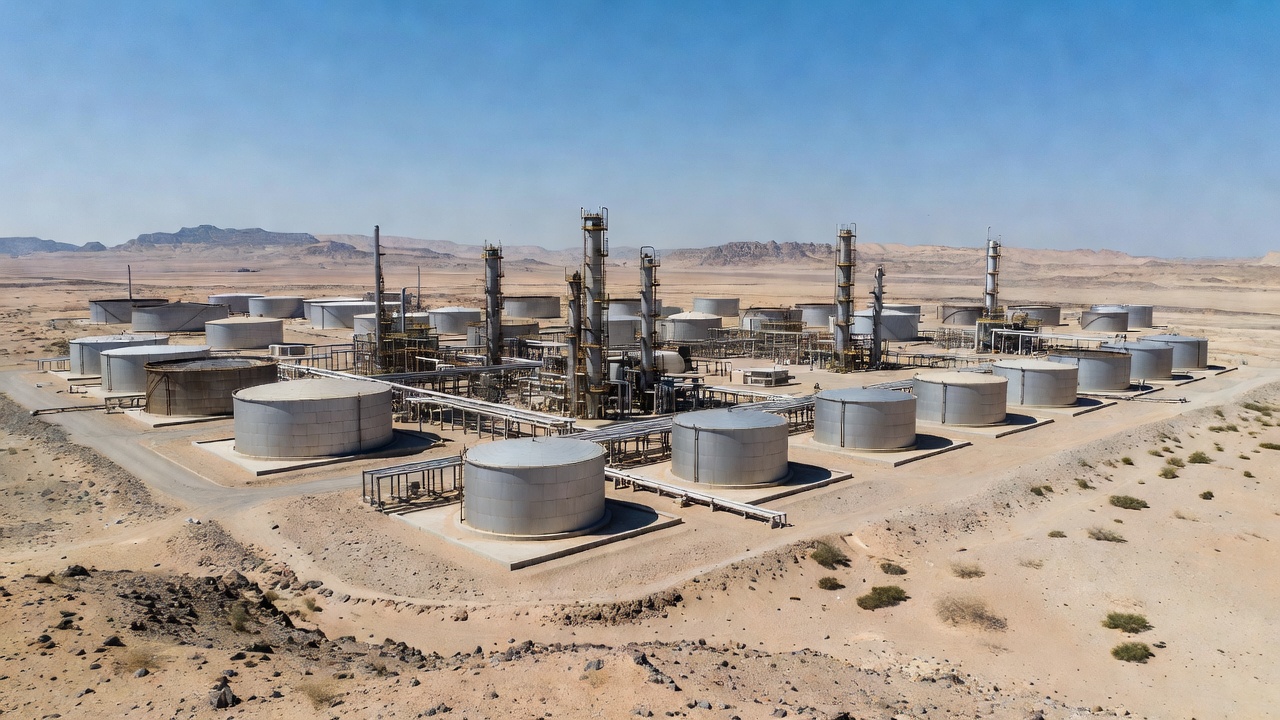
The Saudi Energy Ministry said in a statement that the attacks took place that morning in the southern region of the kingdom, with concerned authorities immediately beginning to handle the repercussions and implement required measures. Fires broke out at a number of the targeted sites, leading specialized field teams to contain the blazes, secure the locations and evaluate the resulting damage. The ministry added that the incidents injured several Saudi citizens and residents who are now receiving necessary medical treatment, while assessment work continues.
According to the ministry statement, the attacks prompted a temporary suspension of certain operational activities at the affected facilities. The update did not provide specific details on the precise sites involved or identify those behind the strikes. Relevant agencies are coordinating to ensure the safety of the installations and personnel as well as the resumption of work according to established plans.
Yemen’s Houthis claimed responsibility for the strikes on Saudi Aramco facilities including the Jazan refinery and a bulk plant in Abha along with hits on King Khalid Airbase and Abha International Airport. The Saudi-led coalition in Yemen stated that at least 73 people were injured across southern cities such as Abha, Khamis Mushait, Jazan and Najran in the attacks. No immediate fatalities were mentioned in connection with the energy sites.
A Financial Times report the previous day had indicated that Aramco’s Jazan oil facilities were struck, with damage assessment then underway. Jazan lies near the border with Yemen and has experienced multiple Houthi attacks throughout 2026, including a July incident in which satellite imagery from the European Union’s Sentinel 2 showed a tank fire at the refinery, Bloomberg reported. Such strikes form part of a pattern of assaults on Saudi energy infrastructure that intensified after the Houthis declared a naval blockade against Riyadh in July.
The Energy Ministry’s announcement aligns with a series of similar incidents in recent months that have highlighted vulnerabilities in the kingdom’s southern energy assets. Operations at the impacted facilities were disrupted only temporarily, with emergency response teams deployed promptly to mitigate risks. Full details on production effects were not disclosed in the initial statement.
Saudi Arabia maintains output capacity of more than 12 million barrels per day as the world’s top oil exporter, according to OPEC figures, though the ministry stressed that approved operational plans would guide any recovery. The attacks occurred against a backdrop of continued regional tensions involving Iran-aligned groups in Yemen. Authorities have not released a final damage estimate as evaluations proceed.
Добавить комментарий