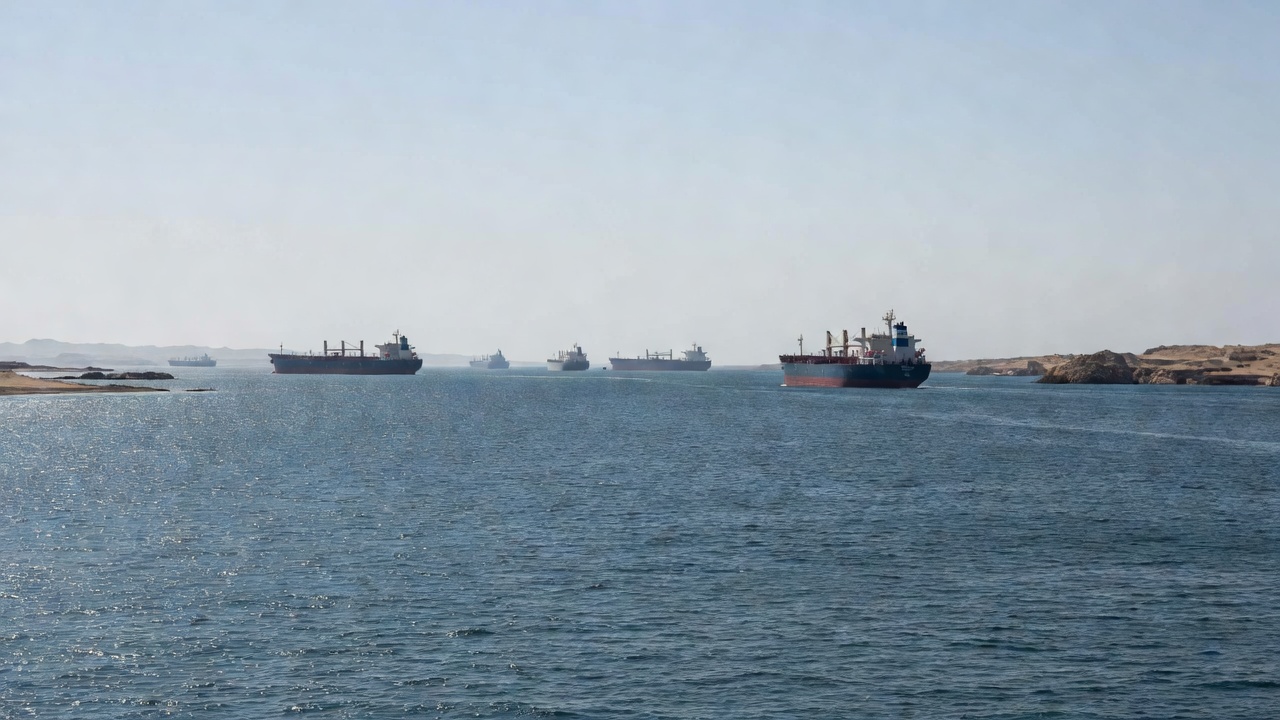
The Financial Times reported that Navy SEAL divers worked in small teams from rubber boats to locate and destroy mines laid by Iran in the strategic waterway, deploying robotic vessels and underwater systems equipped with high-resolution sonar arrays to scan the seabed without placing crews at immediate risk. The four-month effort took place amid ongoing exchanges of strikes between the US and Iran around the strait following attacks in February, according to people familiar with the mission cited by the newspaper. US minesweepers remained outside the area while the specialized teams handled the underwater work in challenging conditions that included narrow passages, strong currents and large tidal variations. Retired US Navy Capt. Bill Hamblet told the Financial Times that after sonar identification, «That is usually followed up by a navy diver who’s got to get in the water and approach the mine, and then put a charge on it and destroy it.»
Iran had placed approximately 80 mines along important shipping routes, the International Maritime Organization estimated in June, prompting commercial vessels to largely avoid the strait since February. The covert operation focused on the international shipping lanes within the Traffic Separation Scheme, where mines posed a direct threat to oil tankers and other traffic. Bryan Clark, a mine-warfare expert at the Hudson Institute, told the Financial Times that mine-clearing forces remained vulnerable because the operation is slow and their boats or helicopters lack defences.
US Central Command confirmed in late August that its forces had cleared the mines from the main transit routes, with Adm. Brad Cooper stating in a video update that the work involved Navy divers, SEALs and air power from multiple branches of the US military. «The circumstances were challenging and dangerous, to say the least, but we got the job done,» Cooper said, according to reports from Bloomberg and Stars and Stripes. The commander added that US forces had since provided protection for nearly 1,500 commercial vessels carrying almost 750 million barrels of crude oil through the cleared lanes.
Shipowners have indicated that while the southern shipping route appears cleared, they doubt the entire strait is free of mines, the Financial Times reported citing industry sources. The operation relied on a lightweight force of unmanned surface vehicles and submersibles towing sonar arrays rather than traditional minesweepers, allowing large areas to be covered efficiently. A US Central Command assessment found that the combination of divers and technology successfully neutralized the immediate threats in the designated lanes despite the high risk of exposure to Iranian attacks during the nighttime missions.
The Strait of Hormuz handles roughly one-fifth of global seaborne oil trade, making mine clearance a priority for energy market stability, US Energy Information Administration data shows. Iran has disputed US claims that all mines were removed and has maintained that its forces control the waterway. The mission built on earlier US Navy actions in April that included destroyers entering the strait to begin clearance efforts while high-level ceasefire talks occurred in Islamabad.
Добавить комментарий