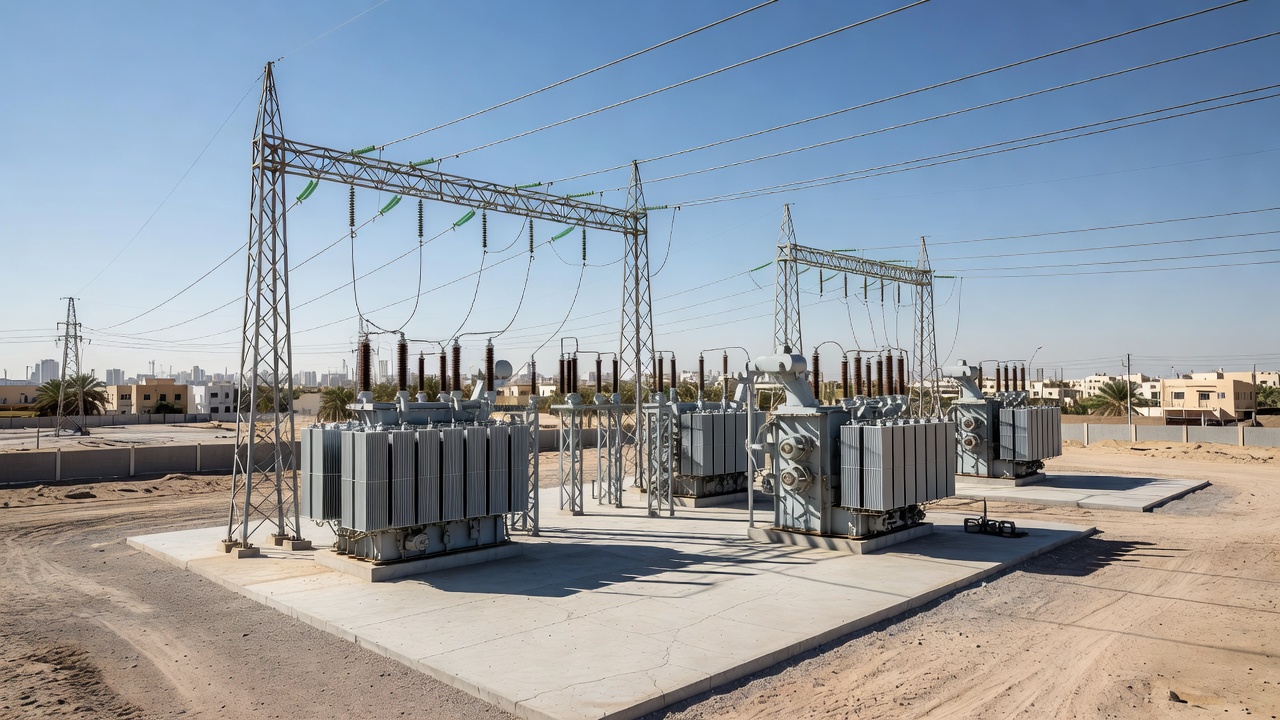
The Ministry of Electricity, Water and Renewable Energy said it restored electricity to all areas affected by an outage in the Hawally and Mubarak Al-Kabeer governorates. Several main transformer stations had gone out of service due to a technical malfunction, prompting the deployment of emergency teams to the sites. The teams completed repairs and returned the stations to full operation, the ministry stated on September 6.
According to the ministry’s update, the power supply resumed for all residential and other users in the impacted zones by the afternoon. The statement thanked citizens and residents for their understanding and cooperation with the field teams during the restoration process. Technical personnel continue to monitor the grid to maintain stability following the incident.
Kuwait experienced a peak electricity load of 17,520 megawatts in June during a heatwave that saw temperatures hit 51 degrees Celsius, according to Ministry of Electricity, Water and Renewable Energy data. This represented a 6.6 percent increase compared to June of the previous year. The national grid imported 612,692 megawatt-hours via the GCC interconnection that month, averaging 850 megawatts daily.
The ministry connected 627 new customers to the electricity network in June, with the bulk in private housing, adding substantial load to the system. Total new demand from these connections reached 77,822,746 kilowatts. These figures illustrate the growing requirements on Kuwait’s power infrastructure.
Public Authority for Civil Information figures place Kuwait’s population at 5.31 million as of June 2026, with expatriates accounting for 70 percent of residents. The two governorates form part of the country’s main urban concentration where such utility services support both citizens and the large expatriate workforce. Reliable power remains essential for the labor force that reached 3.3 million by mid-year, PACI data shows.
The ministry has pursued digital transformation initiatives and maintenance programs to handle increasing consumption levels. Officials have stressed the need for conservation during peak summer periods to avoid future strains on the network. This latest event was contained effectively due to established rapid response protocols.
Добавить комментарий