Rescue teams drawn from several countries worked alongside Nepali forces on August 31, 2026, to reach workers believed trapped in tunnels at more than a dozen hydropower installations flooded by the disaster. Brig. Gen. Raja Ram Basnet, Nepal’s army spokesman, said «We are working in search and rescue of the stranded people from hills, settlements and river areas.» The combined toll from the event that struck rivers feeding the plants now stands above 900 dead with thousands unaccounted for according to updated official counts.
Nepal’s disaster agency placed the toll at 903 deaths within its borders together with 4,247 missing including 592 foreigners. Chinese authorities reported 16 deaths and 546 missing as of the previous day with 261 of those foreigners including more than 100 Nepalis. Those figures grew as operators of remote projects supplied further details on personnel who had not been located.
Mohan Kumar Dangi, president of the Independent Power Producers Association of Nepal, reported that at least 12 hydropower projects sustained damage across Rasuwa and Nuwakot districts where approximately 900 people were missing from the sites. At the Upper Trishuli-1 Hydropower Project in Rasuwa district at least 576 people remained unaccounted for with around 300 thought to be inside the main tunnel. Operations to reach them continued despite persistent rainfall in the valleys.
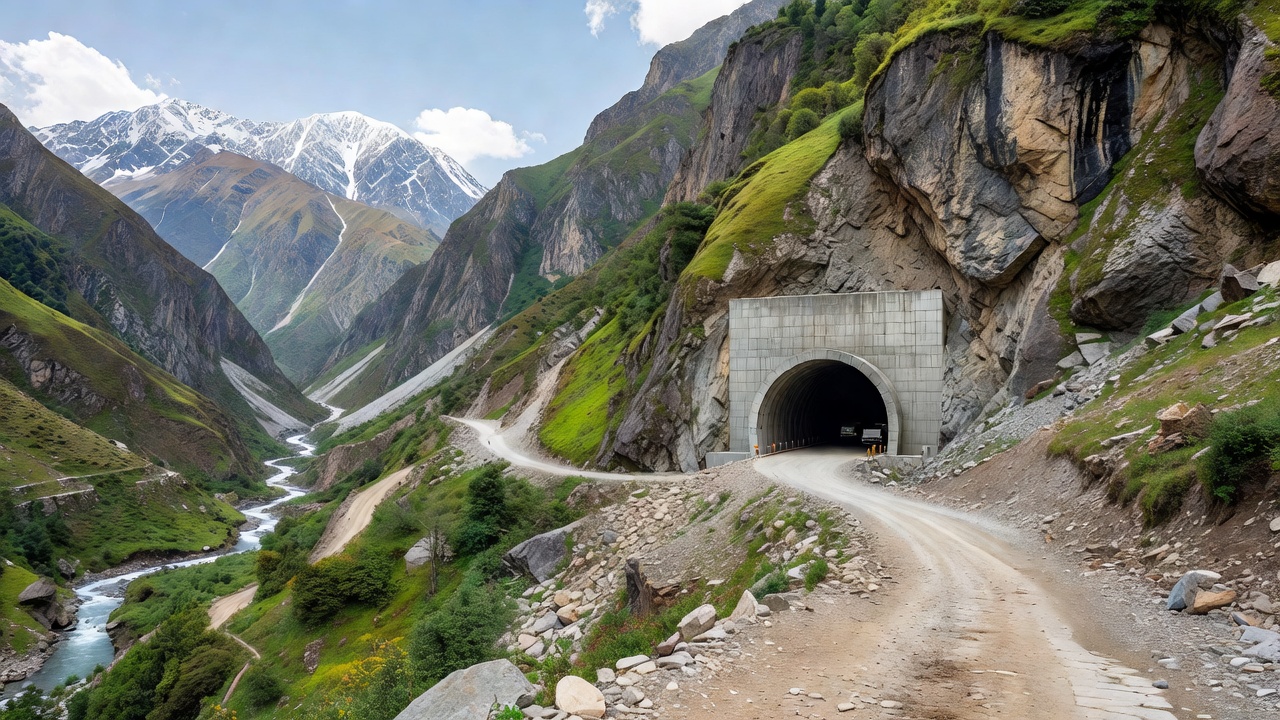
Workers clearing mud from a power station in Dhading told the Associated Press that the facility provides electricity to more than 20,000 residents in the surrounding area and voiced hope that reconstruction would occur away from the river. Jakob Steiner, a geoscientist at the University of Graz currently based in Dhaka, described conditions inside the affected structures. «The tunnels are built to access hydropower infrastructure and to divert water — an essential step to generate energy. These tunnels are big enough to drive trucks through. There is enough place for people to take refuge safely inside and from what we understand they have managed to get oxygen to some of those stuck inside and are trying to rescue them now. It’s a race for time though as people need food and water,» Steiner said.
The floods cut 431 megawatts of generating capacity or more than 12 percent of Nepal’s total according to the Nepal Electricity Authority.[[1]](https://www.nytimes.com/2026/08/29/business/nepal-hydropower-flood.html) A New York Times dispatch noted that counting projects under construction would roughly double the capacity taken offline. Nepal expanded its installed hydropower from roughly 3,000 megawatts in 2024 to more than 4,000 and maintains a target of 28,500 megawatts by 2035.
Scientists attributed the trigger to a glacial collapse whose likelihood has risen as the Himalayas warm at an accelerated rate relative to other regions, a finding reported by the Associated Press.[[2]](https://apnews.com/article/nepal-flash-floods-glaciers-climate-change-d8c11c2215ea0792e3612bf791e4299f) A comparable flood struck the identical river corridor in July 2025 inflicting parallel damage to hydropower assets and trade routes. Studies including one published by the Proceedings of the National Academy of Sciences have estimated that glacial lake outburst floods in the eastern Himalayas can produce peak discharges exceeding 15,000 cubic meters per second.
Добавить комментарий