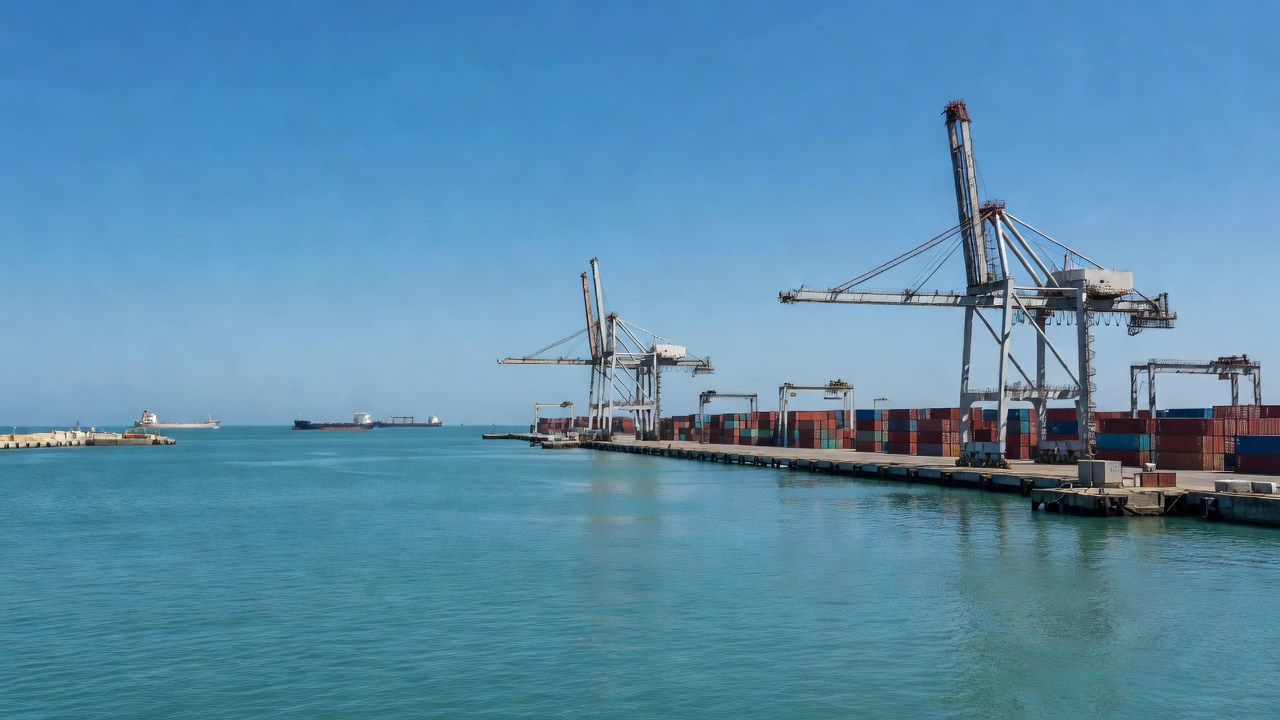
Esmail Hajizadeh, executive secretary of the province’s Workers’ House, told ILNA that several companies had cut employee hours to as few as 10 days a month while directing others to file for unemployment benefits at local offices. Businesses around Rajaee Port have trimmed their payrolls and a five-star hotel in Bandar Abbas dismissed its full staff after a four-month closure, Hajizadeh said according to an Arab Times report. The comments illustrate how sanctions have disrupted the province’s key maritime and tourism sectors that normally sustain thousands of positions.
Hajizadeh noted that household living costs in Hormozgan have risen markedly above the minimum monthly wage, compounding the strain from job losses and shorter work periods. Families already facing income reductions now struggle with basic expenses that outpace earnings by a significant margin. The official’s assessment drew on data collected from labor offices across the southern province.
Earlier research into the effects of sanctions on Iran has shown that trade-exposed industries often experience a shift into informal employment rather than outright joblessness. A CEPR column found that workers in such sectors were 5 percentage points more likely to enter informal roles after the measures took effect, equating to a 9 percent rise that hit less-educated employees hardest. The pattern allowed overall employment rates to hold steady while eroding worker protections and long-term productivity.
Iran’s national economy has encountered deeper difficulties in 2026 from layered sanctions, regional conflict and a naval blockade that has limited port traffic and oil exports. The International Monetary Fund has forecasted a contraction exceeding 5 percent for the year with inflation climbing toward 70 percent, an AP News article stated. Government estimates place nationwide job losses above one million since hostilities intensified, pushing the official unemployment rate to 9.1 percent even as many more remain underemployed.
Hormozgan has felt these pressures acutely given its dependence on shipping, fishing and port-related industries vulnerable to import restrictions and security alerts. Separate accounts have described fuel shortages and missile threats that have curtailed maritime work and driven further unemployment in coastal communities. Labor registration numbers have risen steadily as affected residents seek official support.
The provincial tally adds detail to broader accounts of how economic restrictions translate into immediate livelihood losses for workers in strategic southern zones. Hajizadeh’s figures underscore the scale of disruption at the local level without indicating any near-term rebound in hiring or hours.
Добавить комментарий