Nepali authorities reported the death toll from the flash floods that struck along the Nepal-China border on August 26 had risen to 162 by Thursday, with hundreds still missing including more than 100 Indian nationals, 54 Americans, 34 Australians and 33 Britons as well as 28 Nepal Police personnel. Chitwan district recorded the highest number of deaths at 64, followed by Dhading with 27 and Nawalparasi East with 22, according to local media cited by the Arab Times. The floods, which also impacted China’s Gyirong County in Tibet where three deaths were confirmed, prompted ongoing search efforts by the Nepali army and private helicopter operators that had already airlifted 114 people to safety.
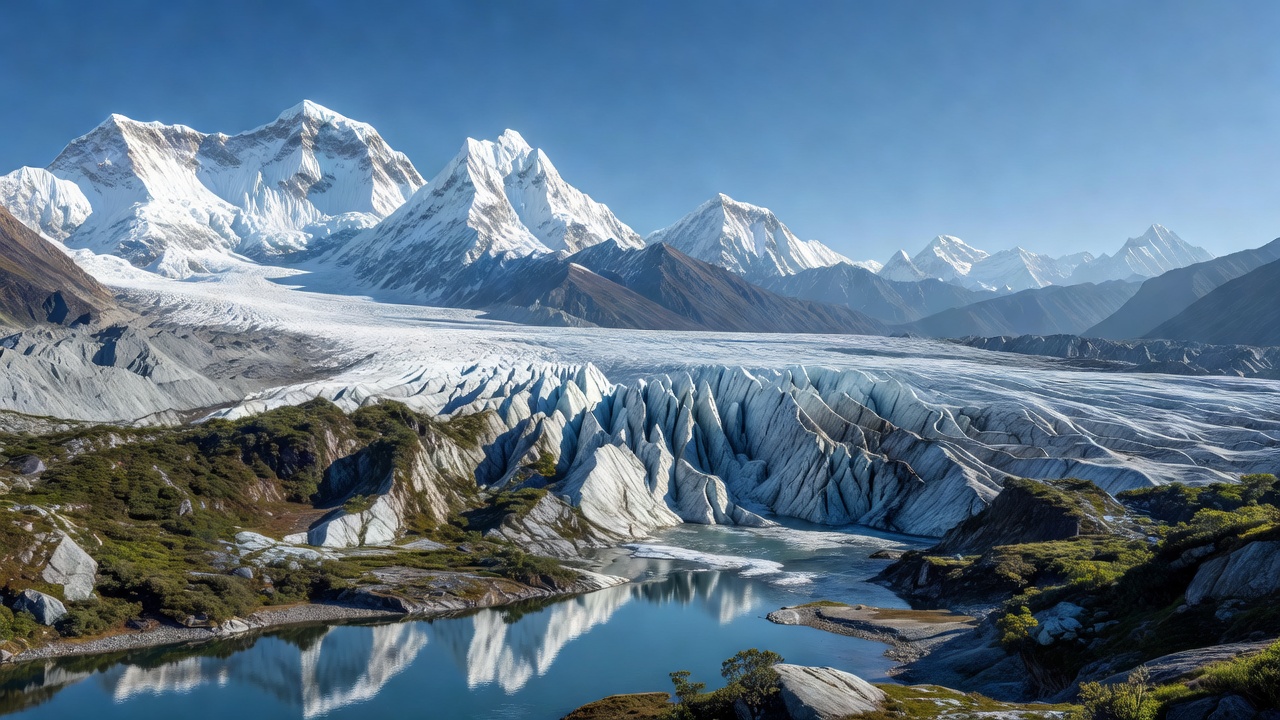
Satellite imagery indicated the floods were likely caused by a large chunk of ice breaking off a Himalayan glacier about 20 kilometers northeast of the Rasuwa-Rasuwagadhi border crossing and sending ice and rocks into the Bhotekoshi River, The Himalayan Times reported via the Arab Times article. Experts reviewing the imagery noted unusually warm conditions had reduced snow cover on the glacier in the preceding 24 hours, potentially contributing to instability, as detailed in a Reuters analysis of Planet Labs data. The collapse registered as a magnitude 5.2 seismic event, according to the US Geological Survey.
Nepal’s National Disaster Risk Reduction and Management Authority has coordinated rescue operations involving helicopters, drones and ground teams while urging stranded residents to light fires and produce smoke signals for easier location. The authority called for close coordination among helicopter and drone operators with local administrations and security agencies to maximize efficiency in the rugged terrain. Foreign Minister Shisir Khanal described the destruction as «extreme» in several districts and urged residents along the Bhotekoshi and Trishuli riverbanks to remain on high alert.
Nineteen bridges were destroyed and about 40 kilometers of a major highway damaged in the flooding, disrupting transport links and complicating access for rescue teams, the Arab Times reported citing official updates. Rasuwa, Nuwakot and Dhading districts were declared disaster crisis areas for three months, triggering specific protocols for relief distribution and reconstruction planning. The disaster management authority emphasized uniform application of safety measures across all responding agencies.
India, China and the World Bank are coordinating financial assistance for rescue, relief and reconstruction in the affected zones, according to Nepal’s Ministry of Finance. Chinese authorities deployed personnel including members of the People’s Armed Police to the Gyirong area where 558 people including 260 foreign nationals were reported missing, state broadcaster CCTV indicated in updates relayed by multiple outlets. Nepali police spokesperson Abi Narayan Kafle told Reuters the toll was expected to rise as searches resumed and more bodies were recovered.
United Nations data from 2023 shows Nepal’s mountains had lost close to one-third of their ice volume in just over 30 years due to global warming, with glaciers in the Hindu Kush Himalaya region melting 65 percent faster between 2011 and 2020 than in the prior decade. A similar glacier collapse in India’s Uttarakhand in 2021 left around 200 people dead or missing, highlighting the recurring risks in the rapidly warming Himalayan region, as noted in a Guardian assessment of historical patterns. Scientists including University of Calgary geologist Daniel Shugar have pointed to satellite evidence of recent snow melt as a potential factor in the latest event, though a definitive link to climate change for this specific collapse remains under investigation.
The event has renewed focus on early warning systems for glacial hazards across Nepal, where the National Disaster Risk Reduction and Management Authority continues to monitor river levels in the Bhotekoshi and Trishuli systems for secondary surges. Officials have advised residents to avoid riverbanks until further assessments confirm stabilizing conditions in the upper reaches near the Tibetan border.
Добавить комментарий