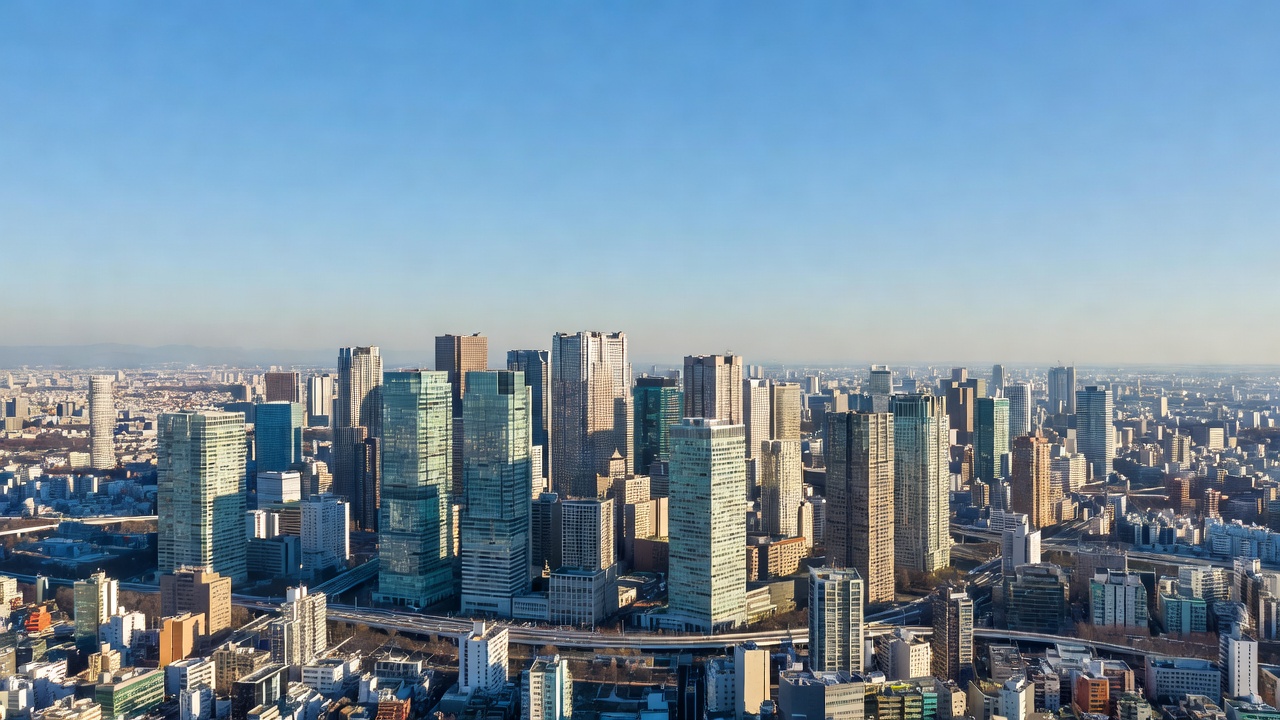
The Japan Meteorological Agency measured the preliminary magnitude of the earthquake at 5.9 with an epicenter in southern Ibaraki Prefecture at a depth of 70 kilometers. The U.S. Geological Survey recorded it as 5.8. No tsunami warning was issued for the event that occurred around 2 a.m. local time and was strongly felt in the Tokyo region, where it triggered mobile emergency alerts. The Fire and Disaster Management Agency along with prefectural officials placed the injury count at 37, including 15 in Tokyo, nine in Saitama, eight in Kanagawa, four in Chiba and one in Ibaraki.
Most injuries proved minor as people fell or struck furniture and doors while getting out of bed in panic during the shaking, according to those officials. Among the cases was a woman in her 80s who suffered a serious hip injury after falling from her bed in Yokohama, the Yomiuri newspaper reported. A 23-year-old man told the Asahi newspaper that he experienced a vertical jolt moments after his alert activated while shopping in Tokyo’s Taito district and worried about merchandise tumbling from store shelves.
Train services faced delays on express routes serving Tokyo and Narita Airport plus local lines in northeastern areas, East Japan Railway Co. said. Shinkansen bullet trains operated on schedule without interruption throughout the episode. An underground water pipe ruptured in Tokyo’s Koto ward and spilled onto the roadway, but the breach was repaired and the leak stopped, NHK public television reported.
Prime Minister Sanae Takaichi announced via X that the government had formed a task force to assess possible damage. The Japan Meteorological Agency urged residents to stay alert for a potential moderate aftershock over the next week. Road traffic appeared normal in nearby cities including Mito and Saitama, according to NHK footage broadcast after the tremor.
The Nuclear Regulation Authority reported no anomalies at about a dozen nuclear power plants or facilities handling nuclear materials in the zone. This quake follows a magnitude 7.1 event that hit Kumamoto Prefecture on July 28, 2026, which killed 39 people and injured more than 350 according to USGS and local authority data. The southern tremor that month also triggered building damage, fires and power outages across the affected region.
Japan lies along the Pacific Ring of Fire and experiences frequent seismic activity, with compiled records showing 163 earthquakes of magnitude 7.0 to 7.9 between 1900 and 2016. The latest moderate event underscores the effectiveness of the country’s early warning systems that gave residents critical seconds to take cover. Officials continued monitoring the situation for any further developments in the aftermath.
Добавить комментарий