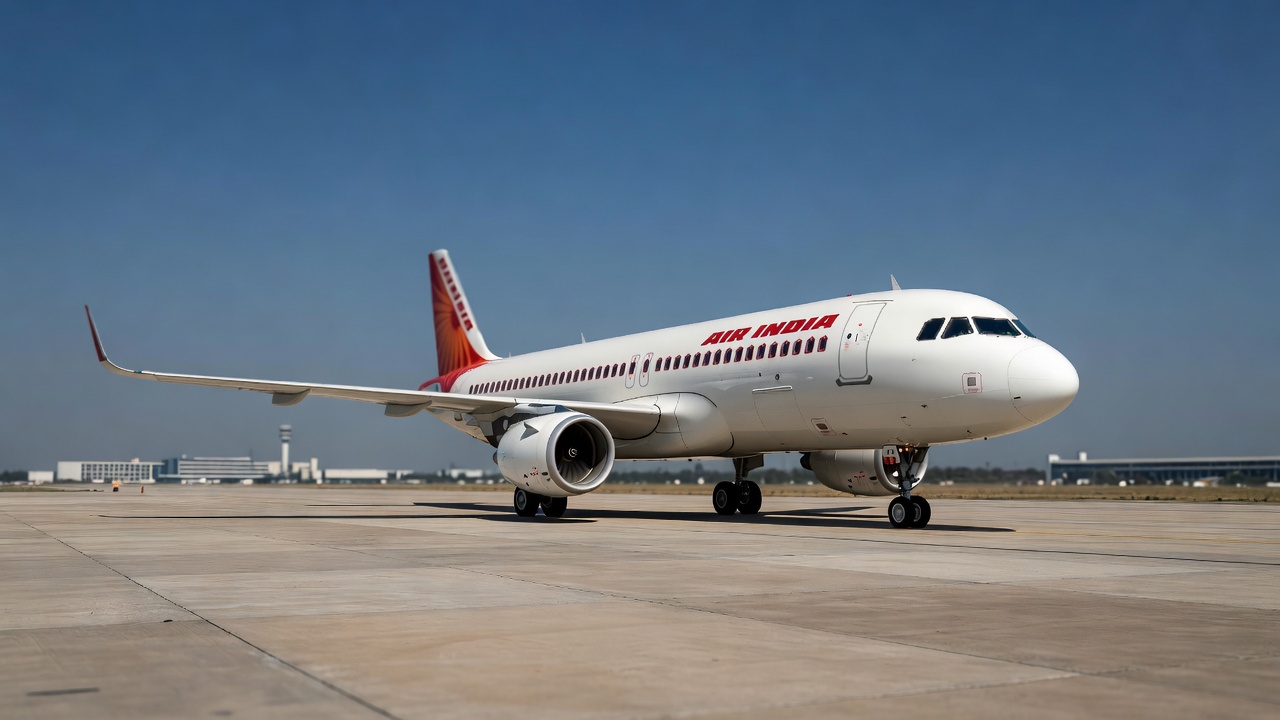
Air India flight AI2379 experienced the hydraulic failure during its cruise phase, causing the aircraft to pitch upward while the first officer applied full nose-down inputs that initially drew no response from the elevators and ailerons. The sudden altitude change inflicted forces beyond specified limits and left 24 people injured before the jet landed safely in New Delhi. Airbus has not yet identified the root cause of the pressure losses that struck all three independent systems in quick succession.
The manufacturer’s preliminary assessment determined that pilots could not control the pitch and roll of the A320 for around four seconds during the event on August 4. The aircraft recovered hydraulic pressure within seconds after the brief anomaly. Data from the flight showed the sequence began with losses across the green, blue and yellow systems, according to the analysis reviewed by Reuters.
Airbus has directed Air India to conduct comprehensive tests on the hydraulic systems, pressure sensors and switches as part of the continuing inquiry. The manufacturer also requested a full inspection of related wiring along with records of recent hydraulic maintenance. Pilot accounts from the flight must be provided to assist the evaluation, Airbus stated in its communication.
Inspectors will additionally examine the airframe for any structural damage stemming from the exceedance of load limits during the 300-foot drop. The A320neo involved, registered as VT-EXO, continued operations after the incident but remains under scrutiny. Air India has cooperated with the requests outlined in the preliminary report.
A post-flight maintenance log cited by The Hindu on August 13 showed nine technical snags occurred in a single minute, including autopilot disconnects and sequential hydraulic warnings that preceded the plunge. The airline had initially described the event as turbulence when it injured passengers and crew. Sources familiar with the automated report told the newspaper the failures cascaded through different combinations of the three hydraulic circuits.
The Aircraft Accident Investigation Bureau has opened a formal probe into the August 4 occurrence over Odisha, with further findings still pending. Aviation safety experts note that total loss of hydraulic pressure remains uncommon on the A320 family because of its triple redundant design. Air India has yet to issue a detailed public statement on the Airbus recommendations beyond confirming its engagement with the review process.
Добавить комментарий