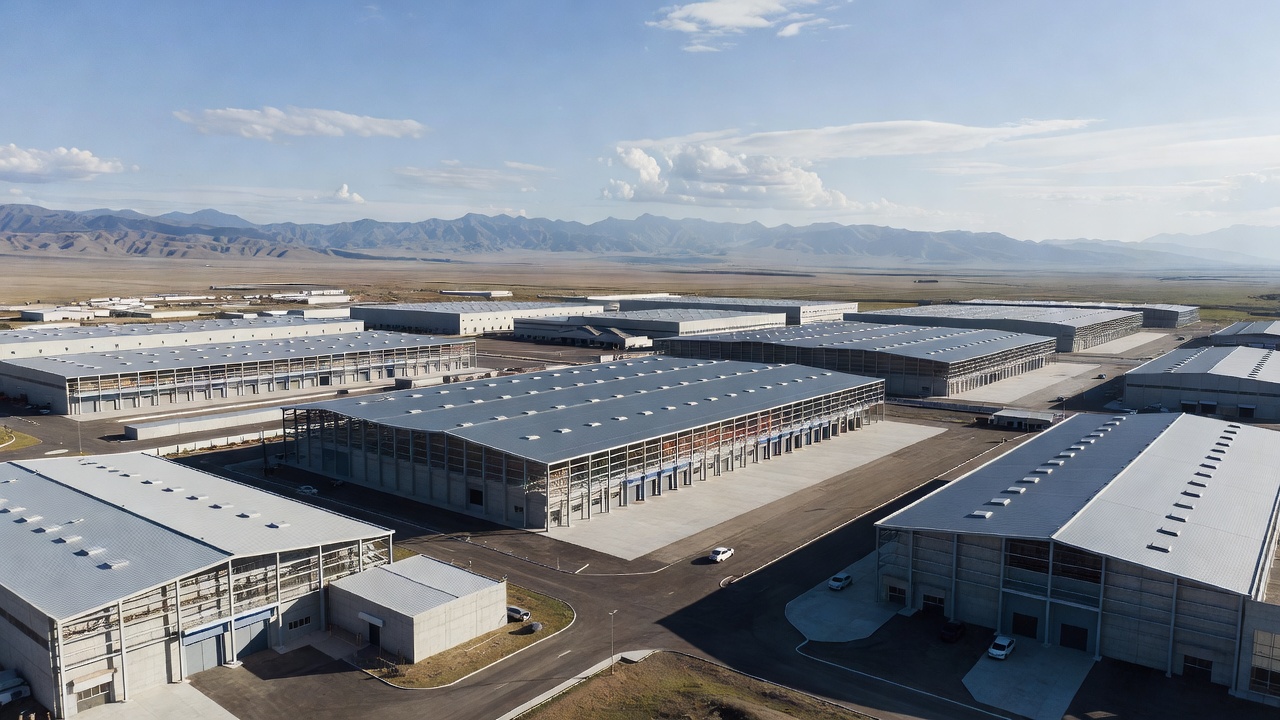
Kazakhstan’s Trade and Integration Minister Arman Shakkaliyev provided details of the expansion at a briefing held in Astana. Construction is advancing on 160,000 square meters of warehouse space in Almaty in addition to 100,000 square meters in the capital. The combined 260,000 square meters will form a core part of Wildberries’ owned logistics network once the facilities are commissioned in early 2027.
Shakkaliyev reported that the Russian e-commerce platform already leases around 46,000 square meters of warehouse capacity across Kazakhstan to service current operations. This interim arrangement has operated while construction on the permanent sites has continued for several years. The minister indicated that the new infrastructure will expand storage capabilities and support quicker distribution to consumers nationwide.
According to the briefing the added capacity is designed to meet increasing demand for online purchases and same-day or next-day delivery options. Wildberries first entered the Kazakh market several years ago and has gradually scaled its seller network and product range. The projects reflect the company’s assessment that e-commerce volumes in the country will continue to climb.
Central Statistical Bureau of Kazakhstan figures show that retail e-commerce turnover grew by 28 percent year-on-year in 2025 while the number of active online shoppers rose above 4.2 million. Industry assessments from the Eurasian Development Bank place total regional digital trade growth within the Eurasian Economic Union at roughly 19 percent annually over the same period. These trends have drawn larger platforms to invest in local fulfillment centers rather than rely solely on cross-border shipments.
Shakkaliyev’s ministry has coordinated with foreign investors on trade facilitation measures that include simplified customs procedures for e-commerce parcels. Wildberries maintains similar logistics projects in other union member states where it operates fulfilment centres that collectively process millions of orders monthly. The Astana and Almaty sites will integrate with the company’s existing transportation and sorting systems already active in Kazakhstan.
Upon completion the warehouse network is projected to generate several hundred permanent jobs in logistics and related services according to preliminary estimates shared during the briefing. Small businesses selling through the platform are expected to benefit from reduced delivery times and lower storage costs once the facilities open. The development forms one element of Kazakhstan’s wider strategy to position itself as a digital connectivity hub in Central Asia.
Добавить комментарий