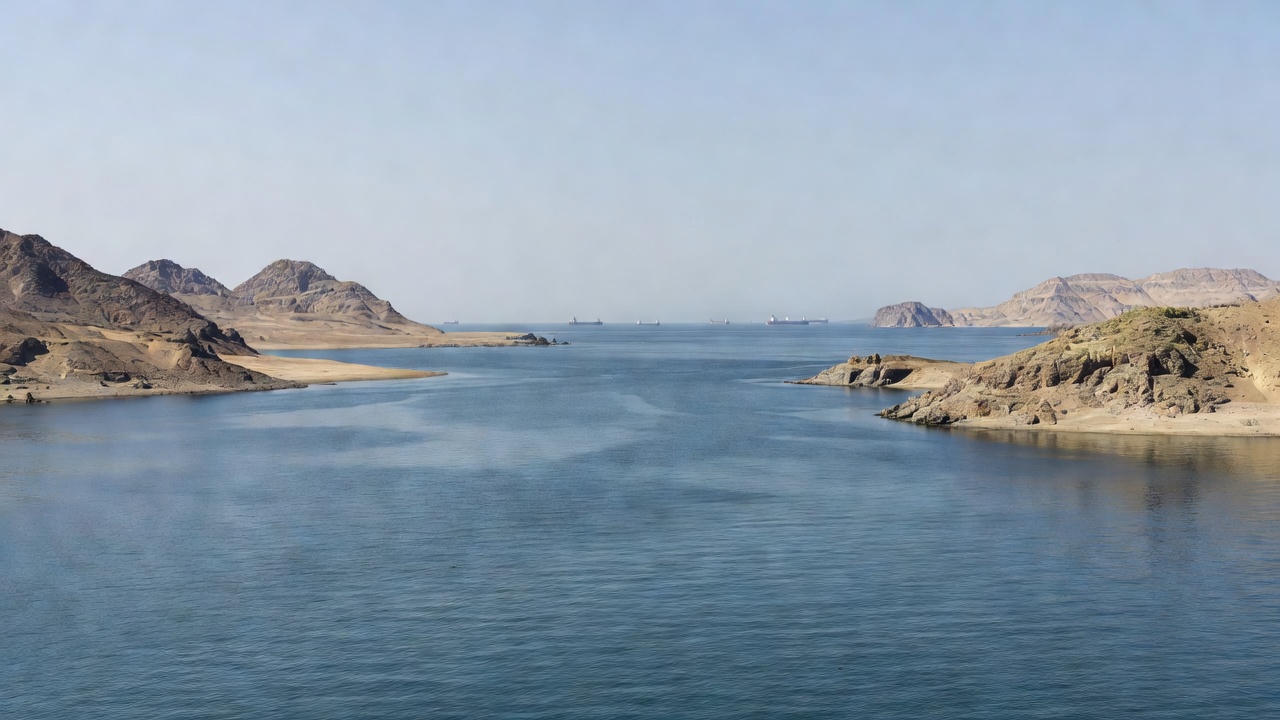
Arab Times reported that President Donald Trump floated the renaming proposal during discussions of the US conflict with Iran. He asserted that the United States had secured control over the strategic waterway. Trump indicated the new name would enhance its prominence on the global stage.
Trump posted on Truth Social, «Now that we have it under U.S.A. control, should we change the name Hormuz Strait to TRUMP STRAIT??? Like America itself, it would be hotter than ever before!» The White House account shared an altered map reflecting the suggested name. When questioned in the Oval Office, Trump chuckled and told reporters the notion was just thrown out there.
US Energy Information Administration analysis based on Vortexa tanker tracking data shows that nearly 20 million barrels per day of crude oil and petroleum products transited the strait in 2025. This volume represented around 25 percent of global seaborne oil trade with the majority destined for Asian markets including China, India and Japan. Limited bypass routes through Saudi Arabia and the UAE offer an estimated 3.5 to 5.5 million barrels per day in alternative capacity.
The EIA reported that daily transit volumes fell to 4.9 million barrels per day in the second quarter of 2026 as fighting intensified. This marked a steep decline from prior averages before the latest round of hostilities. The agency assessed that shipments would likely remain severely constrained through the summer months with only gradual recovery anticipated.
Trump has referenced the passage in comparable terms on prior occasions including a March speech in which he inadvertently called it the Strait of Trump before correcting himself. He has also posted maps labeling the area as a prospective US territory in recent weeks. Such comments align with a series of geographical renaming efforts pursued during his current term.
The Strait of Hormuz separates Iran from Oman while linking the Persian Gulf to the Gulf of Oman and Arabian Sea. It has long ranked among the most critical oil chokepoints monitored by international naval forces. Shipping firms continue to adjust routes and insurance in response to the prevailing security conditions.
Добавить комментарий