The remarks carried by Arab Times followed Bessent’s announcement of a broad sanctions push that the Washington Post described as an attempt to sever Iran’s remaining connections to the global economy. Treasury Secretary Scott Bessent dubbed the initiative an economic offensive that would isolate any country continuing financial ties with Tehran. A BBC report noted that Iranian officials responded by saying they had prepared countermeasures for such escalated pressure. The timing aligns with renewed efforts to enforce financial restrictions that have targeted Iranian revenue streams for years.
Ghalibaf posted on X to highlight what he portrayed as inconsistent messaging from the US administration regarding potential fallout from the measures. «Him: ‘Economic D-Day.’ Also him, five seconds later: ‘Why would I want to blow up the global financial system?’» Ghalibaf wrote on X, according to the Arab Times account. The parliament speaker used the social media platform to question Washington’s concern about disrupting worldwide financial operations while launching the campaign. His comments underscored Tehran’s view that the sanctions represent more rhetorical escalation than coherent policy.
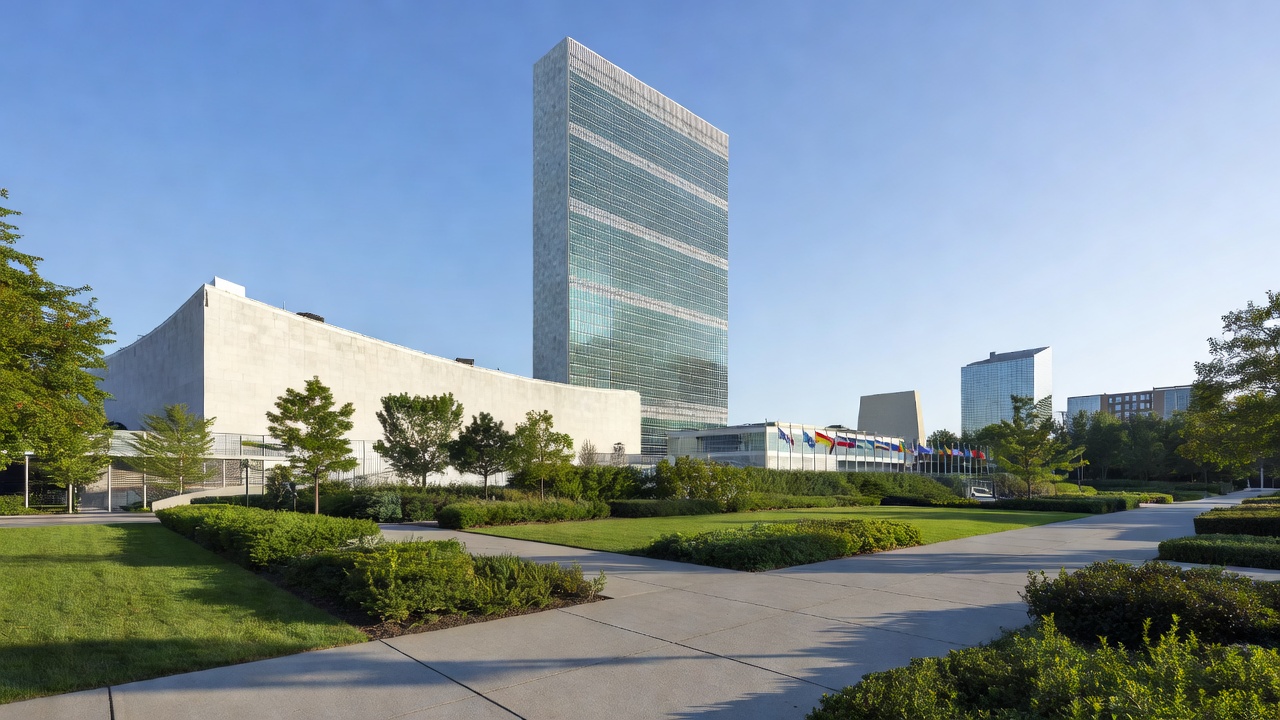
Separately at a United Nations Security Council session Iran’s ambassador and deputy permanent representative Gholamhossein Dehghani pressed member states to reject and condemn the unilateral American penalties. Dehghani stated that Iran reserves the right to pursue accountability compensation and additional remedies in response to the actions. The envoy’s address emphasized that such measures undermine international norms and stability in key maritime regions.
Dehghani told the council that Iran maintains its right to self-defense under international law as a coastal state along the Strait of Hormuz. «US naval blockade and attacks on Iranian commercial vessels violated Iran’s sovereignty, freedom of navigation and international maritime law» Dehghani said while accusing Washington of weaponizing food energy and trade. The Arab Times report framed these statements as a direct rebuttal to the newly intensified US campaign. His intervention reflected longstanding Iranian grievances over enforcement of sanctions first expanded after the 2018 US withdrawal from the nuclear agreement.
The latest sanctions build upon United Nations Security Council resolutions that the US State Department said were reimposed in September 2025 after Iran failed to meet nuclear commitments. A January 2026 symposium hosted by the United States and 40 partner nations sought to strengthen implementation of those measures according to an official release. Recent council meetings have highlighted divisions among members over the status and enforcement of the restrictions. These developments have occurred against a backdrop of persistent tensions that include reported disruptions to Iranian shipping.
Iranian economic officials have asserted readiness to mitigate the impact of the tightened sanctions according to a BBC assessment published shortly after Bessent’s Monday briefing. The treasury secretary had described the effort as an all-out financial assault that could render military options unnecessary if fully enforced. Dehghani’s UN presentation reiterated that Tehran would not accept such pressure without response while calling for unified international opposition. The combined statements from Ghalibaf and Dehghani illustrate a coordinated diplomatic push to counter the US initiative on multiple fronts.
Добавить комментарий