The Arab Times analysis published on Thursday traced the historical foundations of dollar dominance in commodity markets back to the 1944 Bretton Woods conference and the 1974 US-Saudi agreement that established the petrodollar system. Under that arrangement Saudi oil was sold exclusively in dollars with revenues recycled into US assets, a framework later adopted by other OPEC members. The system maintained strong international demand for the dollar for more than five decades until recent shifts began to erode its position. IMF data for the third quarter of 2025 placed the dollar’s share of allocated foreign exchange reserves below 57 percent of roughly 13 trillion dollars in total holdings.
Saudi Arabia signaled a break in 2023 when it announced openness to trade settlements in currencies other than the dollar, according to the analysis. China and Saudi Arabia subsequently expanded bilateral arrangements to facilitate transactions in their own currencies. These moves contributed to broader de-dollarization momentum that culminated in the BRICS summit hosted by Russia in Kazan in October 2024. Participants there signed a declaration committing to develop an alternative to the SWIFT payment system and to reduce reliance on the dollar for trade among member states that represent about half the world’s population.
A 2025 study published in the BRICS Journal of Economics found that increased intra-bloc trade has measurably reduced the dollar’s weight in participating countries’ reserve compositions. Separate IMF assessments through 2025 confirmed a gradual long-term decline in the dollar’s reserve share even after exchange-rate adjustments. Central banks have responded by accumulating gold, which accounted for a rising portion of reserves as its price appreciation outpaced other assets.
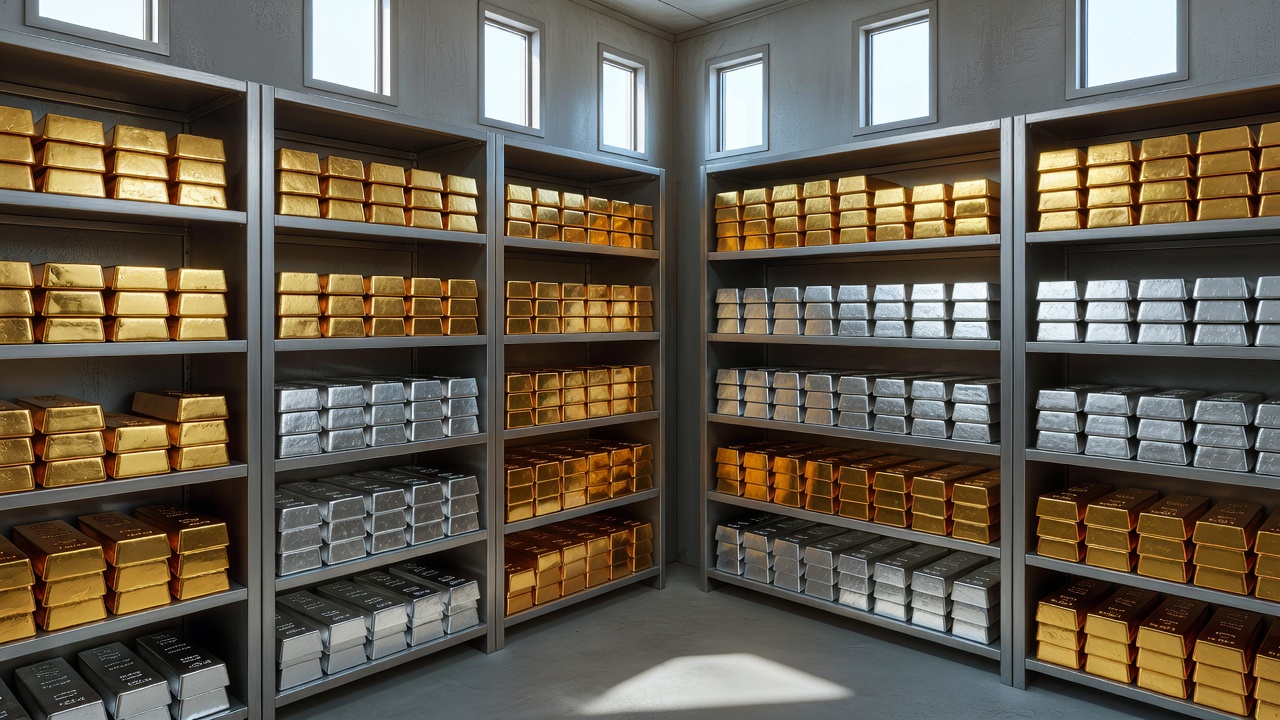
Gold and silver prices reached all-time highs in January 2026 amid heightened safe-haven demand linked to de-dollarization trends, BlackRock analysts noted in a March 2026 review. The analysis warned that a sustained reduction in dollar demand could generate inflationary pressures in economies heavily tied to the currency. Such pressures would likely elevate the role of scarce commodities such as gold and silver as stores of value.
Commodity markets have historically priced and settled the bulk of oil, metals and agricultural goods in dollars, the Thursday report observed. A shift toward settlements in yuan, euros or national currencies would fragment those markets and introduce additional foreign-exchange exposure for participants. Traders would face elevated hedging costs together with greater price volatility and new arbitrage opportunities across different currency-denominated contracts. The transition is unlikely to occur rapidly given the dollar’s entrenched financial-market linkages.
An International Monetary Fund working paper released in 2025 found no robust evidence of systematic reductions in dollar invoicing for oil exports despite policy initiatives by some governments. The Arab Times analysis concluded that while de-dollarization remains a gradual process its effects on commodity trading merit close attention from market participants. Reserve diversification trends tracked by the IMF and individual central banks continue to reflect measured movement away from exclusive dollar dependence.
Добавить комментарий