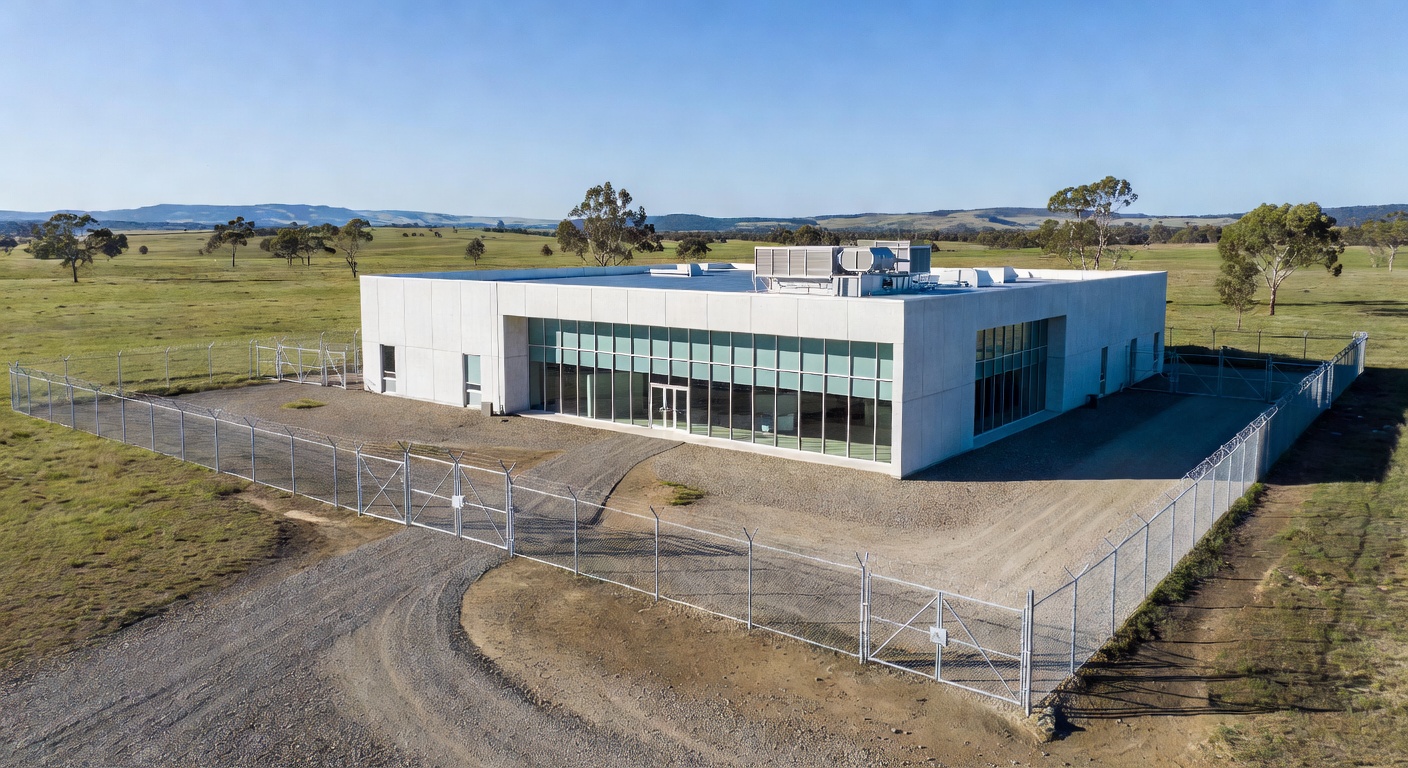
Six passengers from the MV Hondius arrived in Western Australia on Friday for a three-week quarantine after the Dutch-flagged vessel experienced a hantavirus outbreak during a voyage from Argentina to Antarctic waters and South Atlantic islands, according to Australian authorities. The group of five Australians and one New Zealander had tested negative for the virus before their chartered flight from the Netherlands, where many of the ship’s passengers were initially evacuated, and were transferred by bus from RAAF Base Pearce to the Bullsbrook Centre for National Resilience. Australian Health Minister Mark Butler said the government had chosen a stronger approach to quarantine than that taken by the United States and most European countries.
The World Health Organization reported a total of 11 cases associated with the ship as of May 13, including eight confirmed, one inconclusive and two probable, with three deaths. The outbreak was notified to the WHO on May 2 after a cluster of severe respiratory illnesses emerged aboard the vessel, which had departed Argentina on April 1 with passengers and crew from more than 20 countries. Argentine officials have suggested the initial infections may have been acquired through rodent exposure during a birdwatching excursion in Ushuaia before boarding, although the surrounding province had previously recorded no hantavirus cases.
Hantaviruses are mainly transmitted to people through contact with the urine, droppings or saliva of infected rodents, according to a WHO fact sheet. The Andes virus strain confirmed in this outbreak is the only hantavirus known to spread from person to person, health agencies have stated. Data from the U.S. Centers for Disease Control and Prevention indicate that hantavirus pulmonary syndrome carries a mortality rate of approximately 38 percent among those who develop respiratory symptoms.
The Bullsbrook Centre for National Resilience, where the six passengers and accompanying doctor will be housed, was completed in 2022 during the COVID-19 pandemic at a cost of around 400 million Australian dollars but had remained largely unused until now, Western Australian government records show. The 500-bed facility includes specialized ventilation systems to prevent cross-contamination and will accommodate the group for the initial three-week period. A decision on precautions for the remainder of the 42-day potential incubation window identified by the WHO had not yet been finalized, Butler noted in remarks to reporters in Adelaide.
«We have taken the decision to take a stronger approach to quarantine arrangements than that because we are determined to ensure there is no risk at all of any transmission of this virus into the Australian community,» Butler said. Passengers who returned to the United States and most European countries faced only a few days in quarantine centers before being allowed to go home, he added. The minister described the Australian response as one of the world’s strongest to the outbreak.
With the evacuation of all passengers and many crew members now complete, the MV Hondius is sailing back to the Netherlands for cleaning and disinfection, the cruise operator Oceanwide Expeditions has stated. No new cases have been reported since mid-May, according to an update from the European Centre for Disease Prevention and Control. Officials continue to monitor individuals who left the ship in its earlier ports of call.
The arrival of the passengers marks the first operational use of the Bullsbrook facility for a high-consequence infectious disease since its construction, federal and state authorities have confirmed. Preparations included specialized training for staff in infection control protocols. Australian health officials have emphasized that the overall risk to the general population remains low based on current assessments.
Добавить комментарий