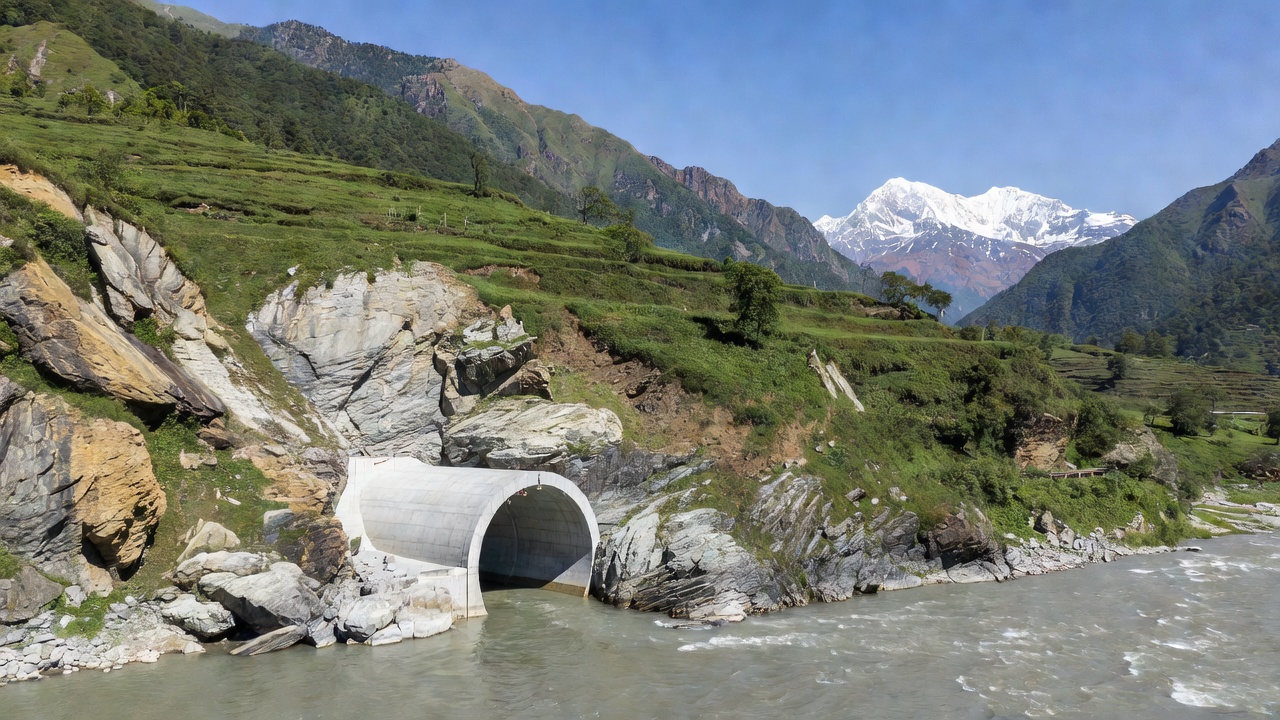
The Nepali army-led operation at the Trishuli 3A hydropower project saw rescuers drill and crawl through debris to reach the Chinese national, the Arab Times reported. The man was located some 170 metres inside the tunnel, apparently having survived in an air pocket, and was promptly given medical aid before being airlifted to a hospital in Kathmandu. Officials said the survivor was in stable condition following the extraction, which came after teams used satellite imagery to pinpoint the site’s location beneath layers of mud and rock.
Rescue efforts have been complicated by the massive amounts of mud and boulders that buried tunnel entrances following the glacial collapse on August 26, according to army spokesmen. Nepal’s army has been working around the clock alongside international experts to locate and extract any survivors from similar sites, with the discovery renewing hopes for additional rescues. The challenging conditions have included repeated suspensions due to weather and risks of further flooding from a border lake formed by the disaster.
Nepal’s disaster management authorities placed the domestic death toll above 1,290 with nearly 2,500 people missing in the aftermath of the floods, figures that include hundreds of hydropower workers. Chinese state media reported at least 31 deaths on the Tibetan side of the border along with hundreds more unaccounted for, including foreign nationals from multiple countries. The combined event has destroyed villages and infrastructure along the Bhotekoshi and Trishuli rivers in one of the region’s worst natural disasters in recent years.
China dispatched nine specialist tunnel rescuers to Nepal at the direct request of the Nepalese government, the South China Morning Post reported on August 29. Five of those experts were flown by helicopter from Gyirong county in Tibet to join operations at the affected hydropower plant near the border, according to China’s Ministry of Emergency Management. This assistance formed part of a broader international support effort that also drew on expertise from India and South Korea.
One survivor from a parallel rescue at the same site told reporters he had remained behind to assist colleagues during the initial flood surge before becoming trapped, CNN reported. The worker said he sustained himself by chanting mantras while awaiting help and had to ask rescuers for the current date upon extraction. Such accounts have illustrated both the endurance required to survive in the debris-filled tunnels and the limited resources available to those inside.
Search teams have rescued more than 270 people across the hydropower projects hit by the floods, Nepali army figures show. More than 100 workers are still believed trapped inside blocked tunnels at several sites, keeping operations active despite the difficult terrain and sludge obstructions. Teams have employed life-detection equipment and targeted drilling to advance through the affected areas where air pockets may have allowed for prolonged survival.
Добавить комментарий